- Introduction & Background
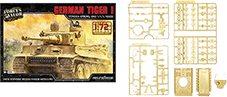
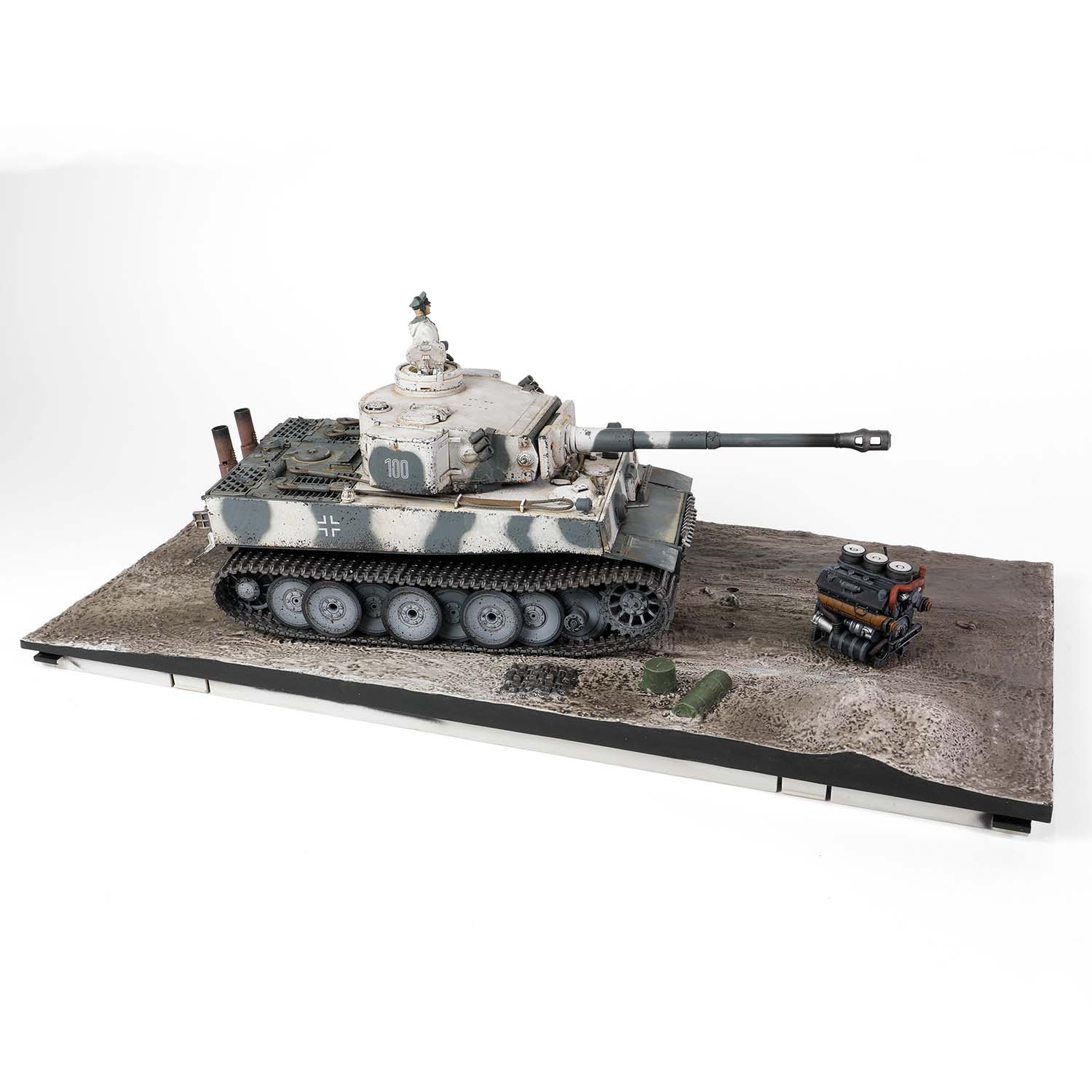
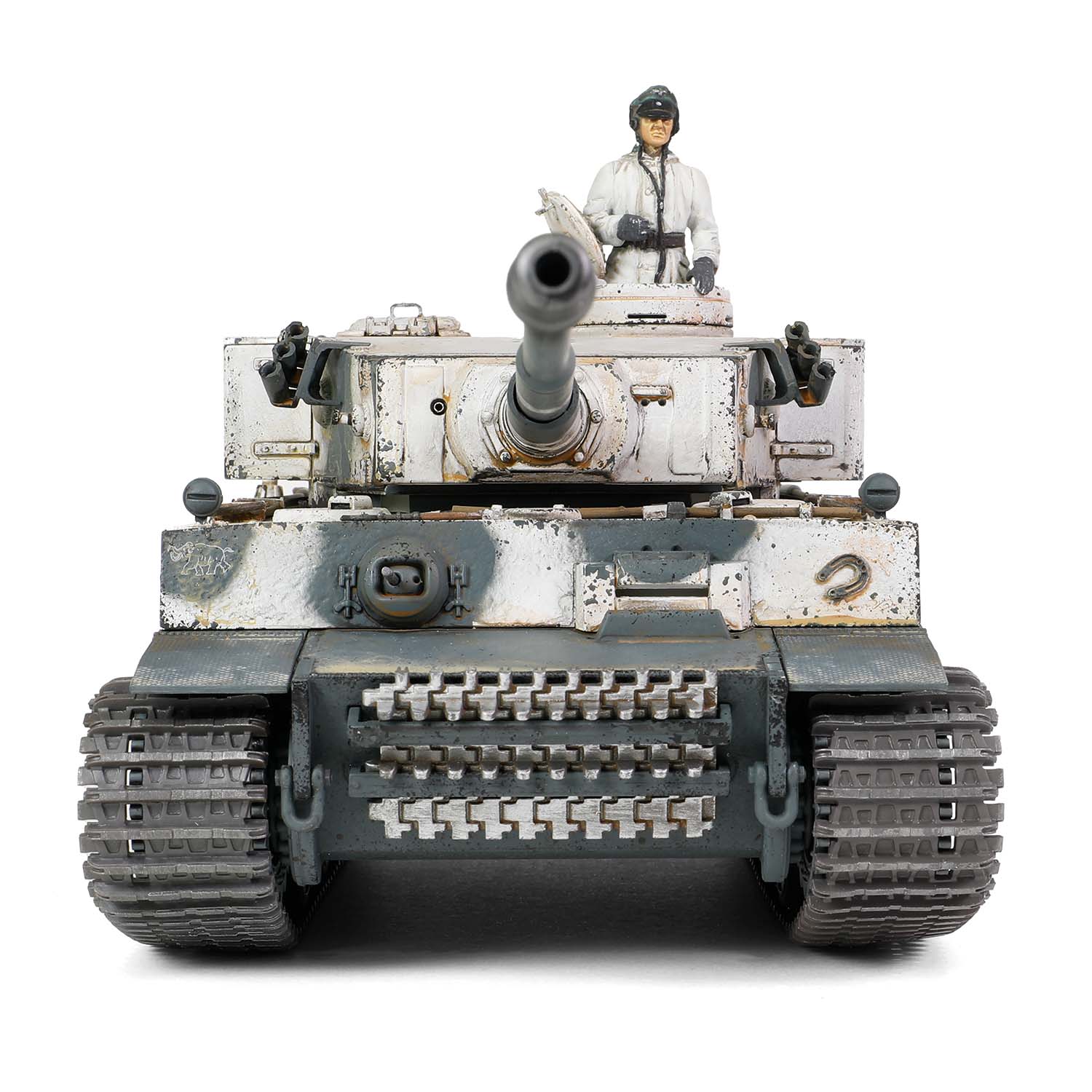
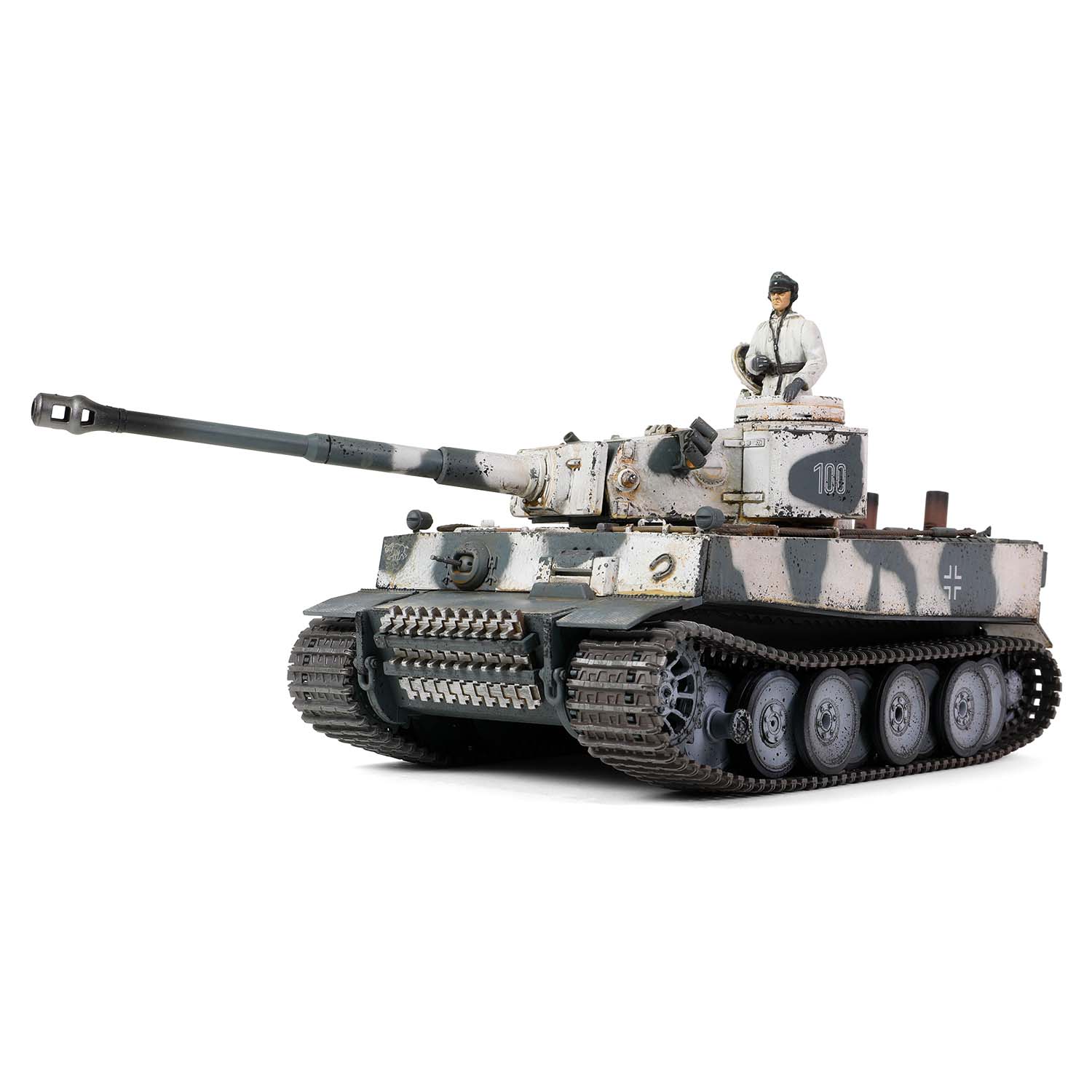
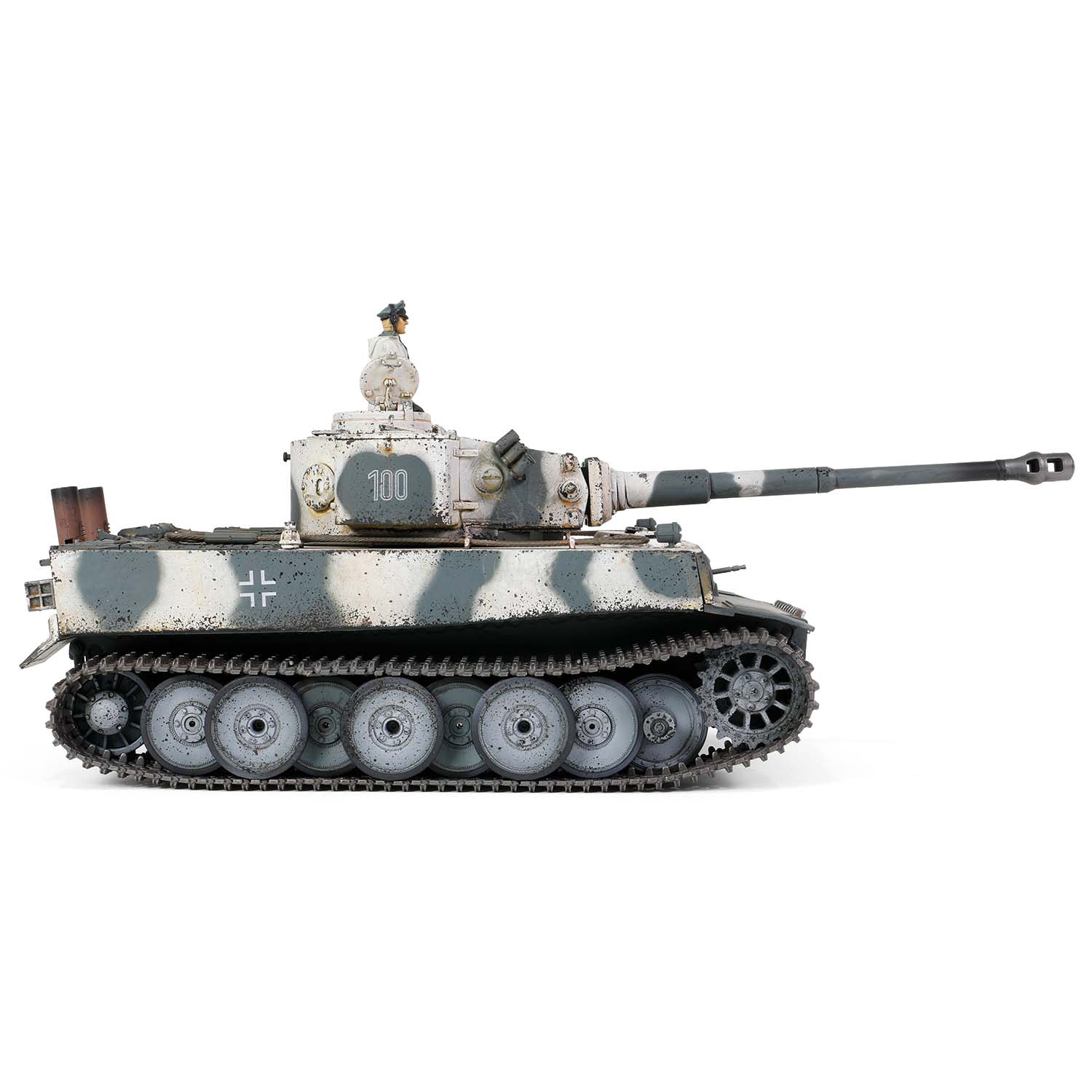
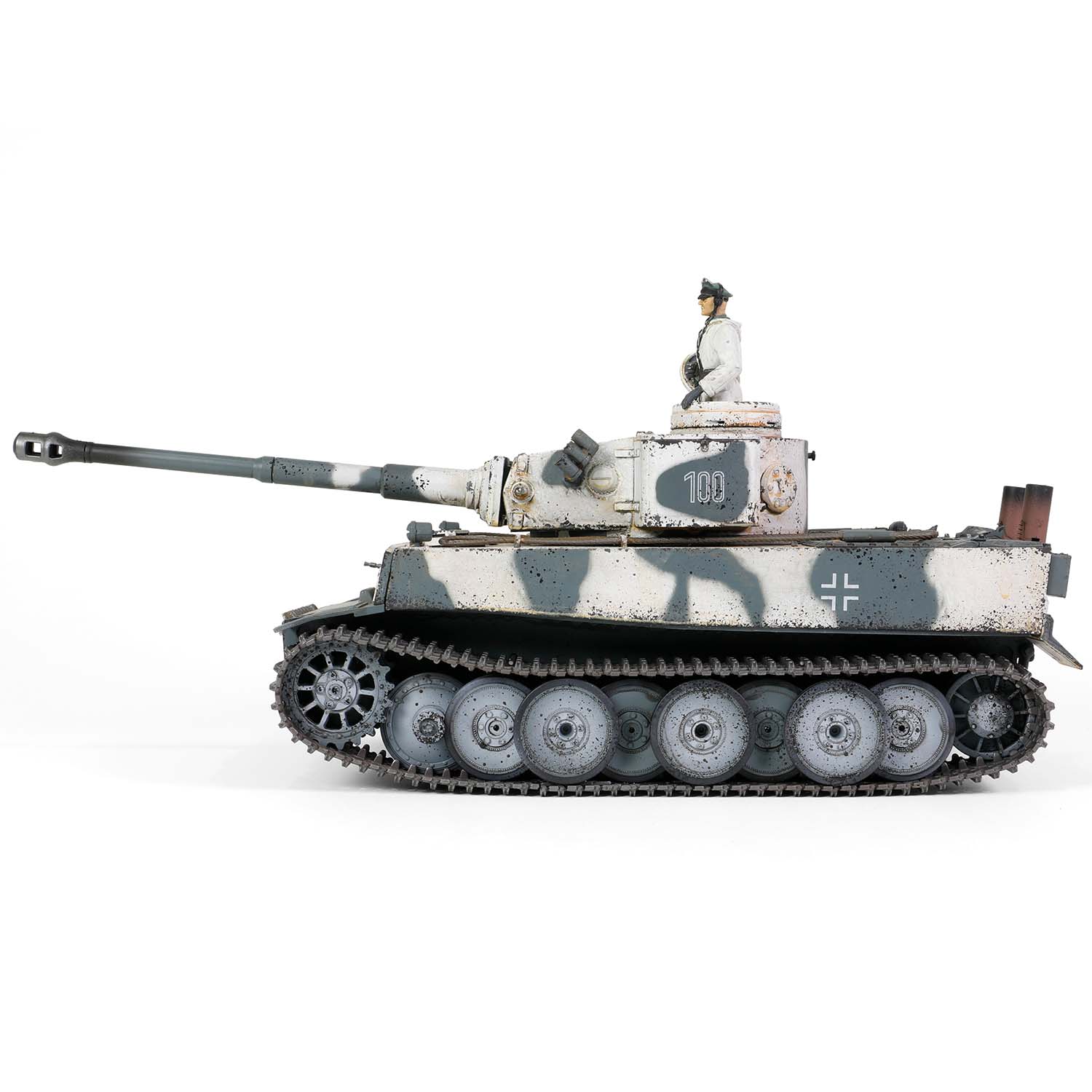
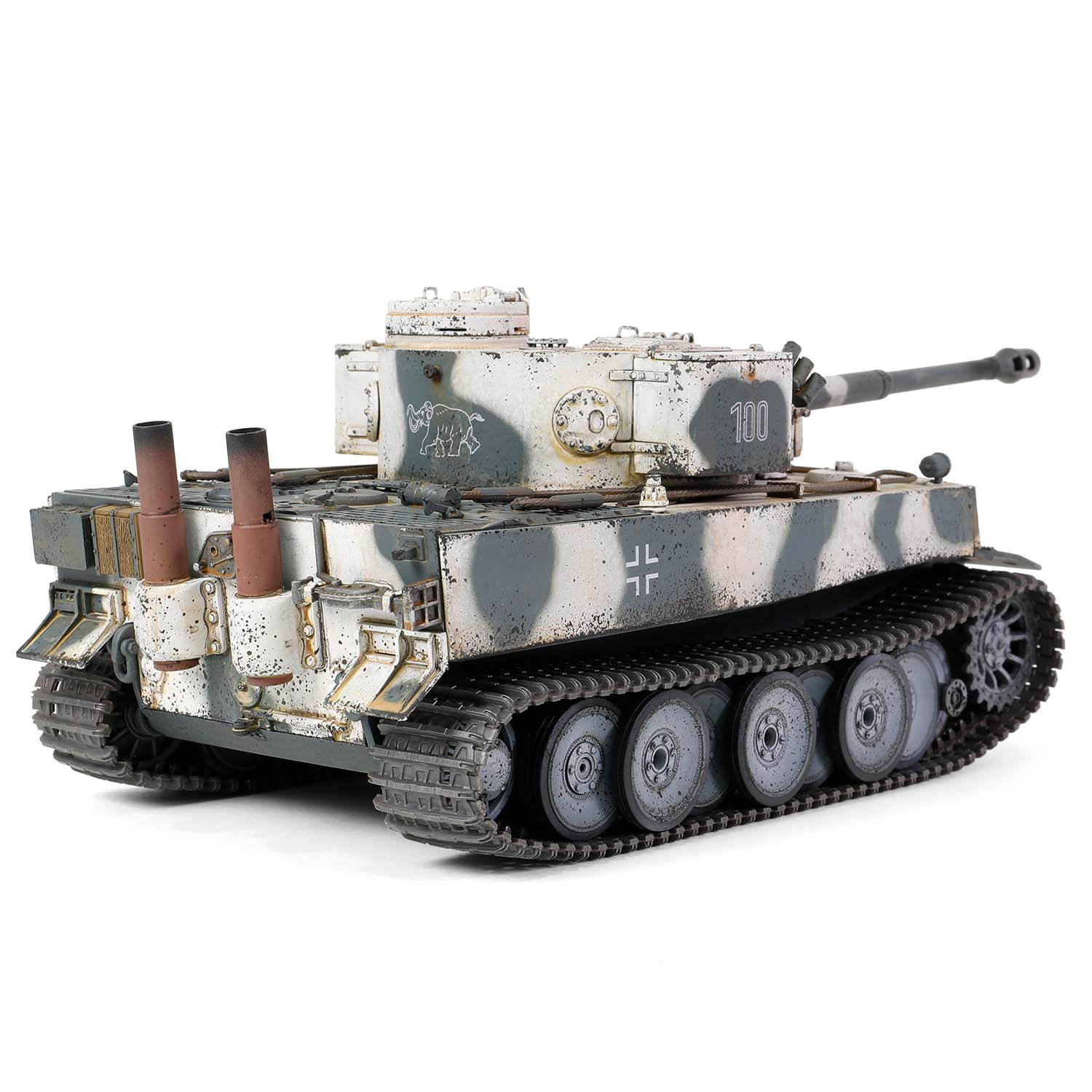
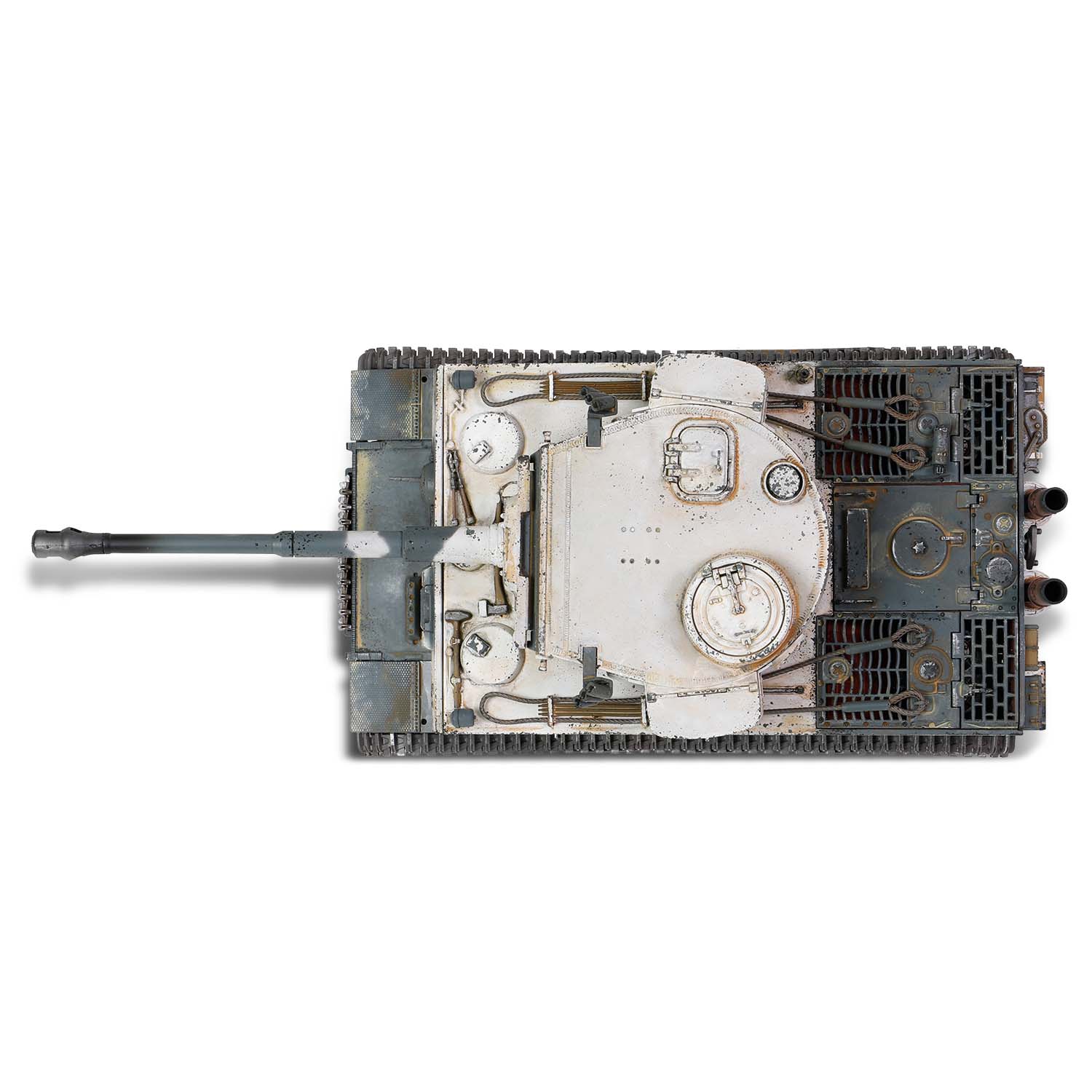
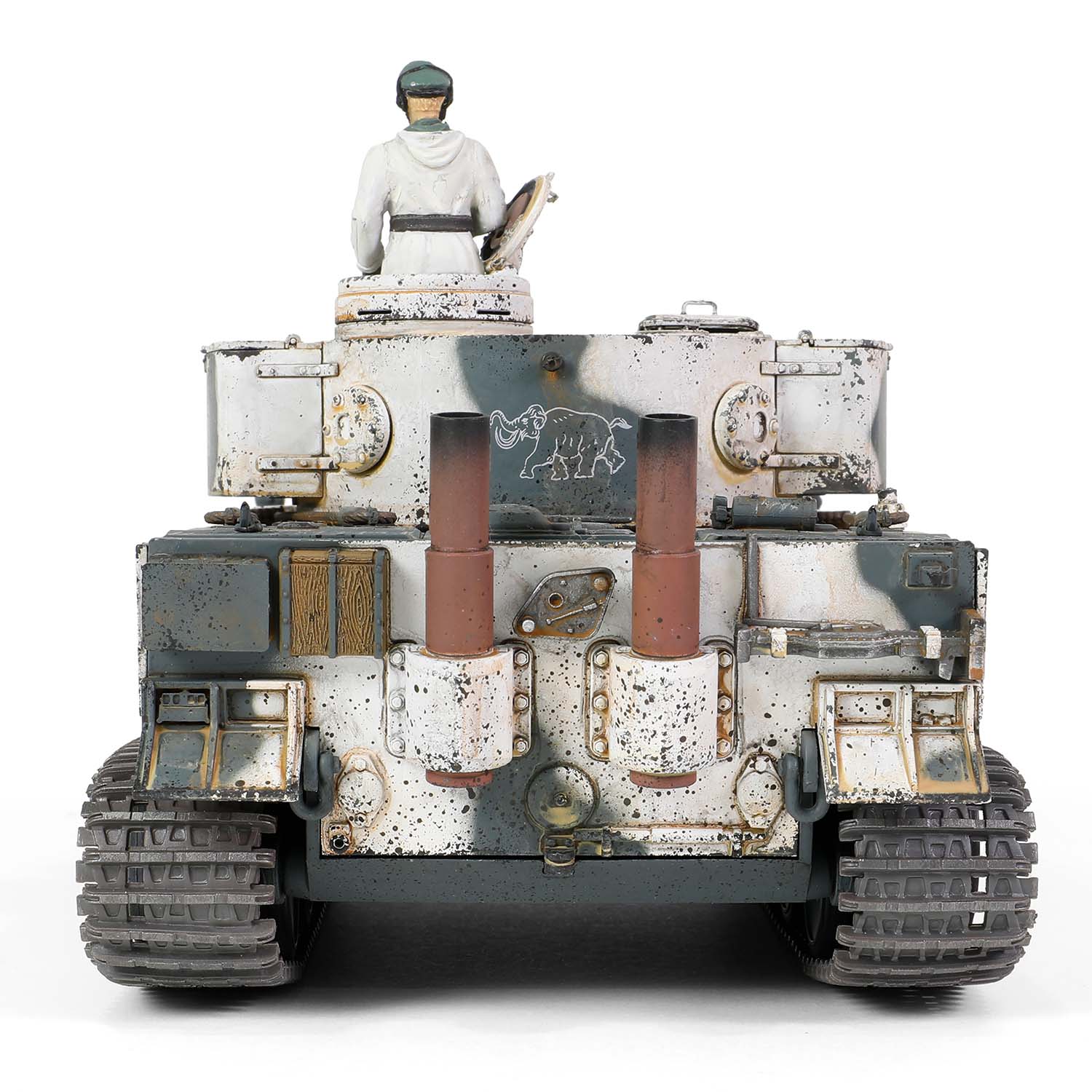
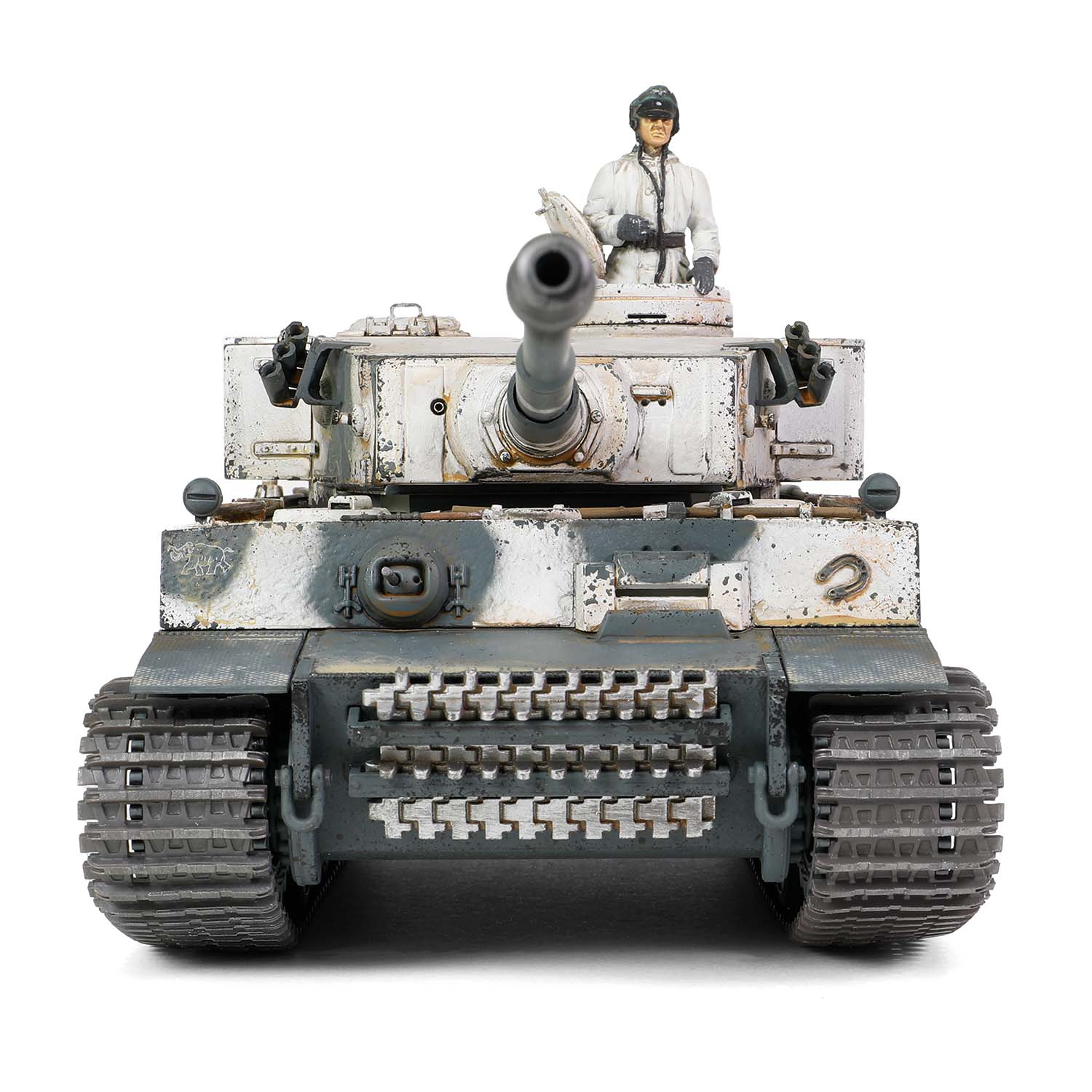
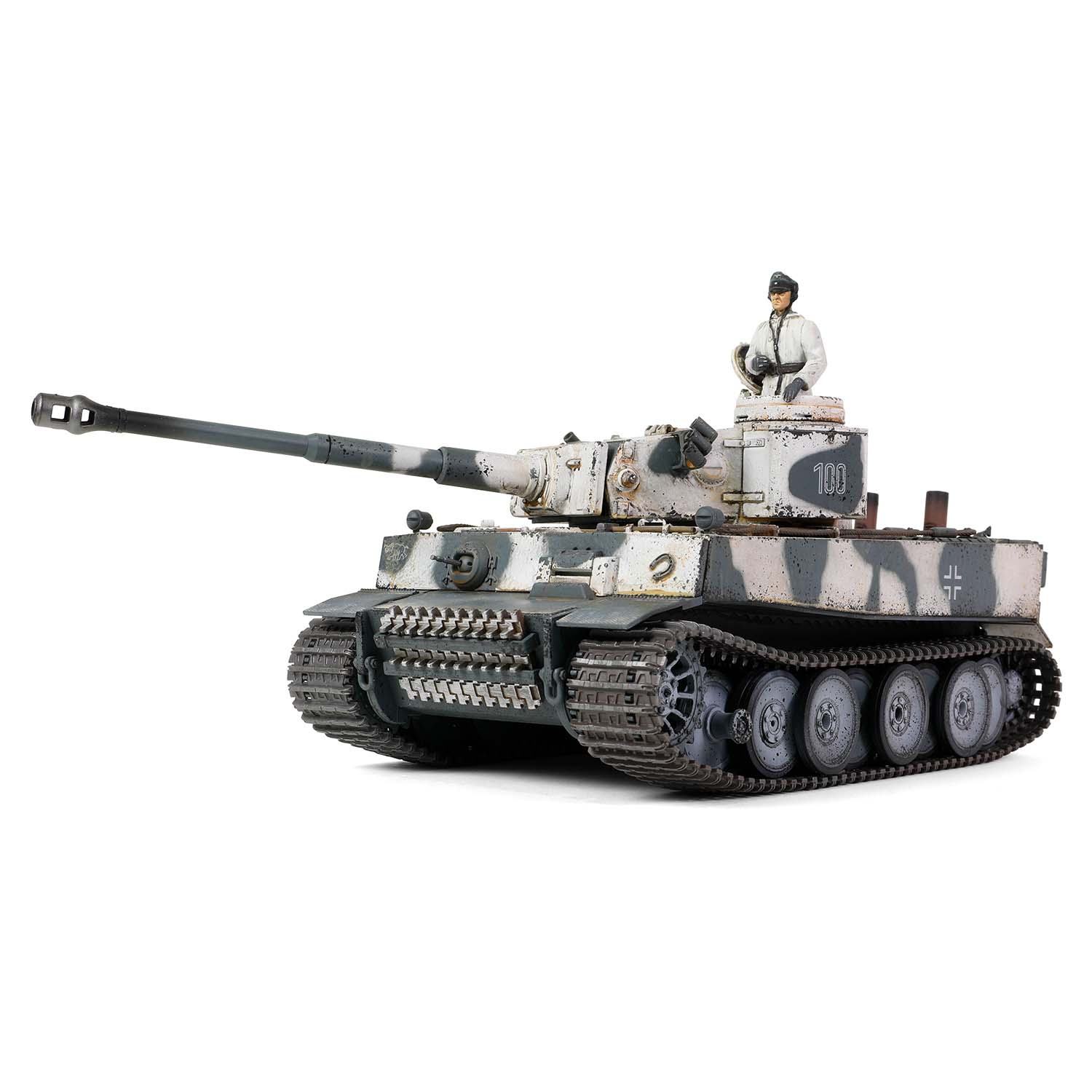
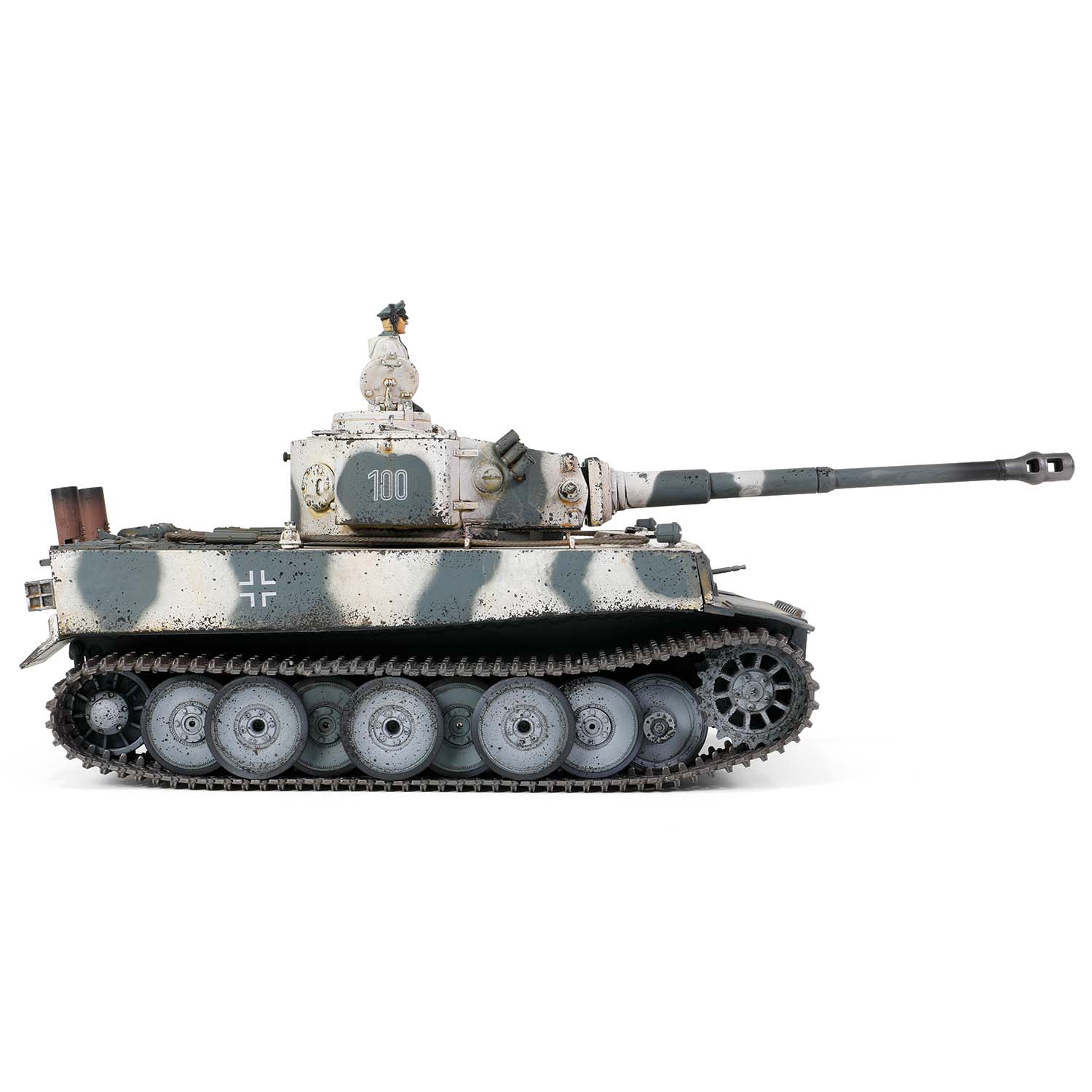
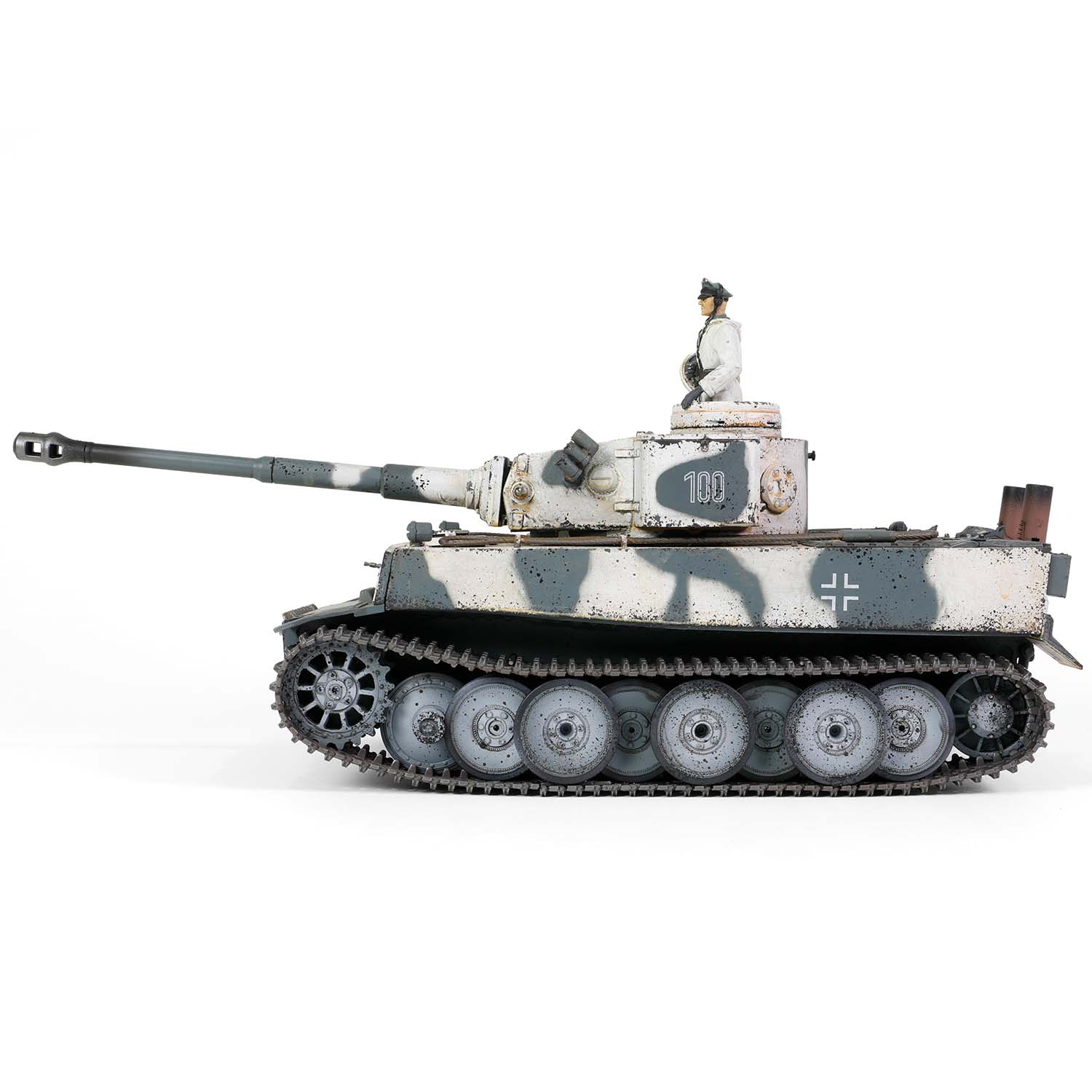
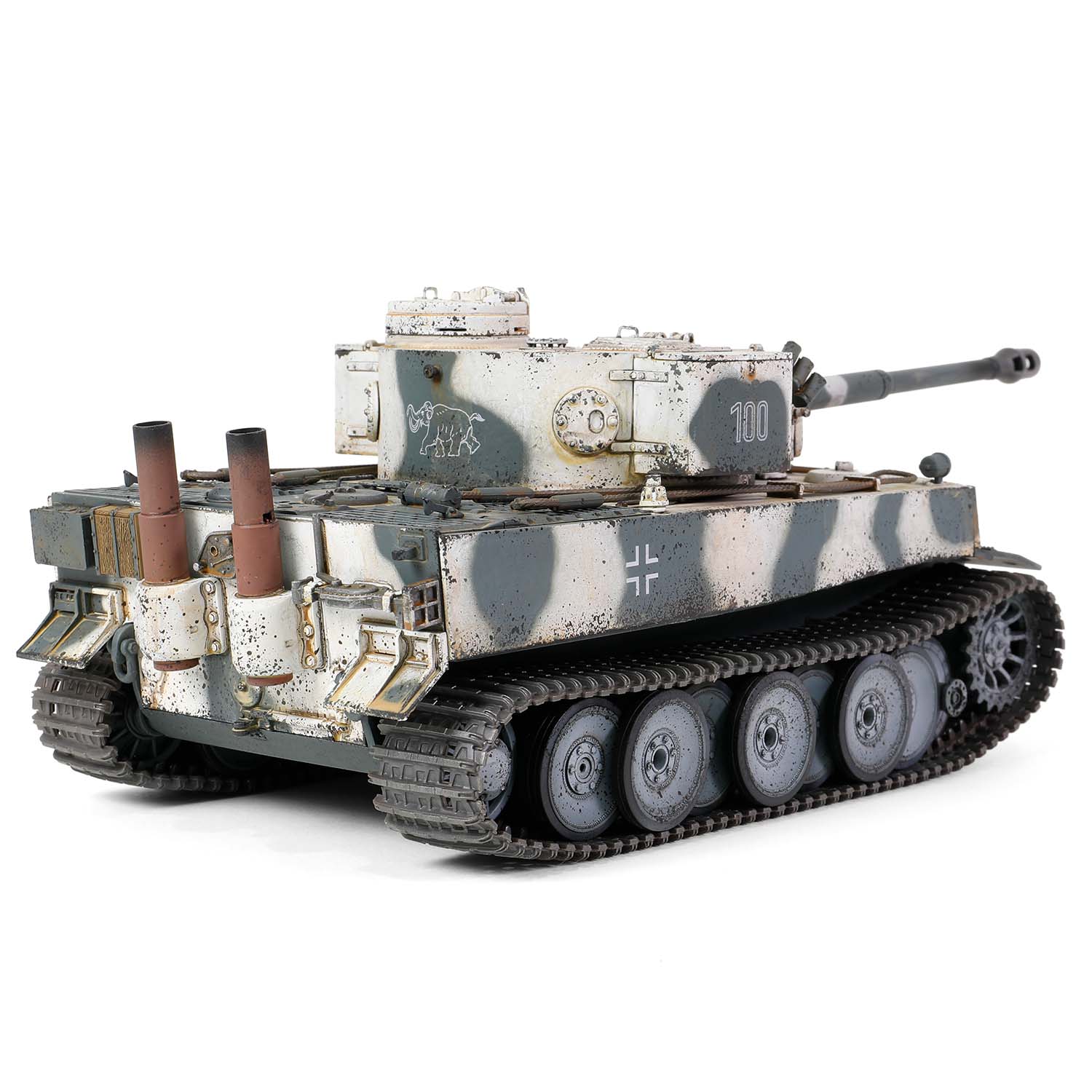
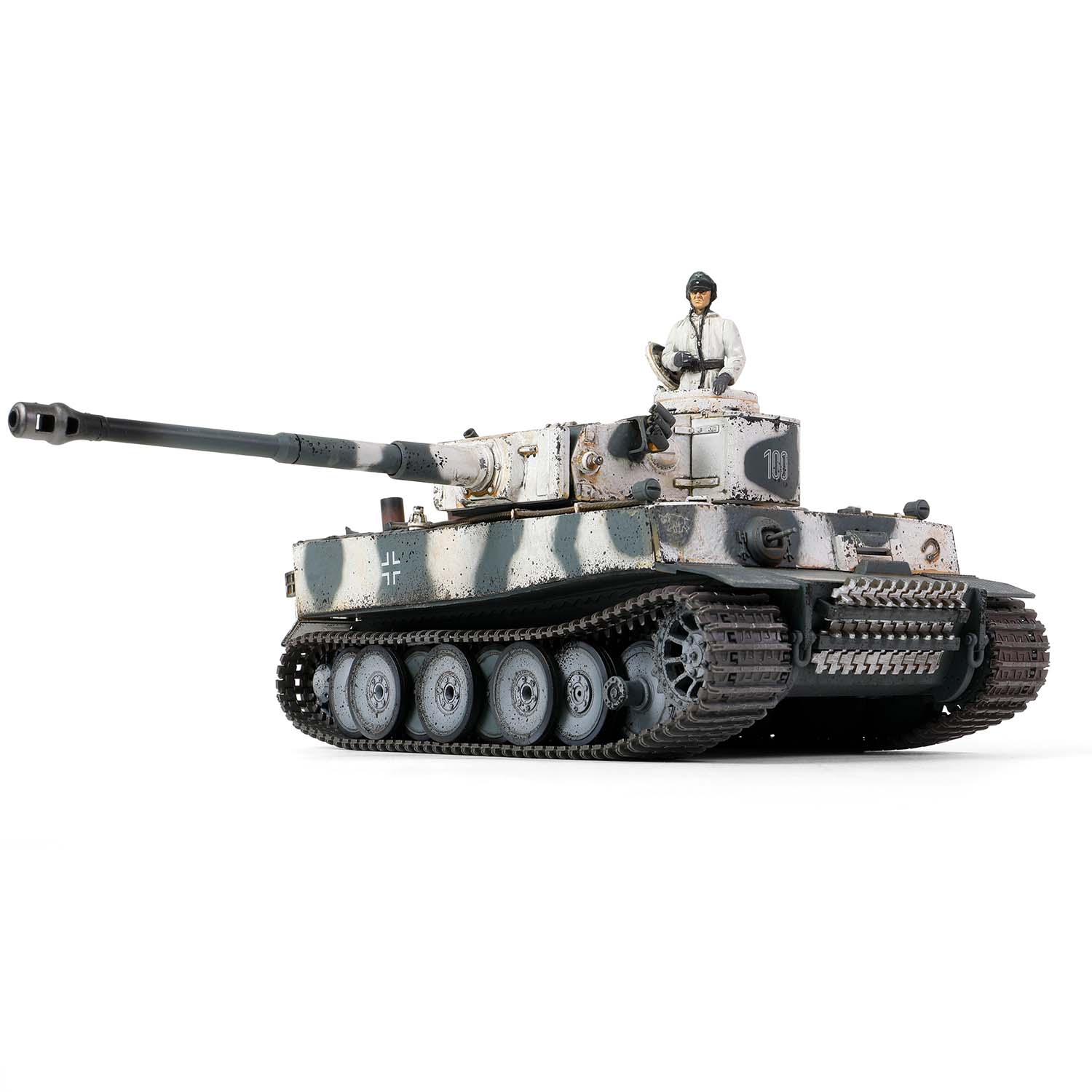
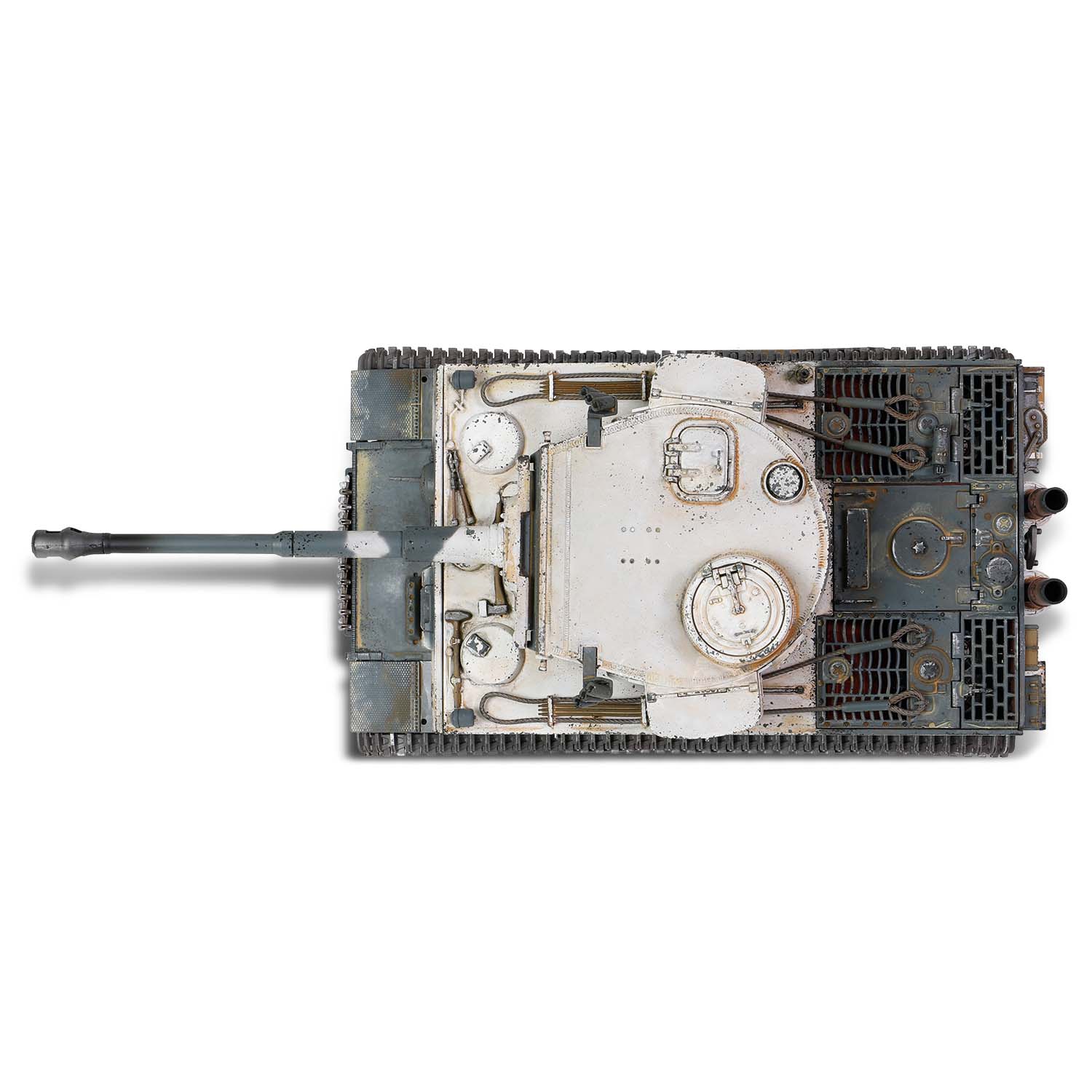
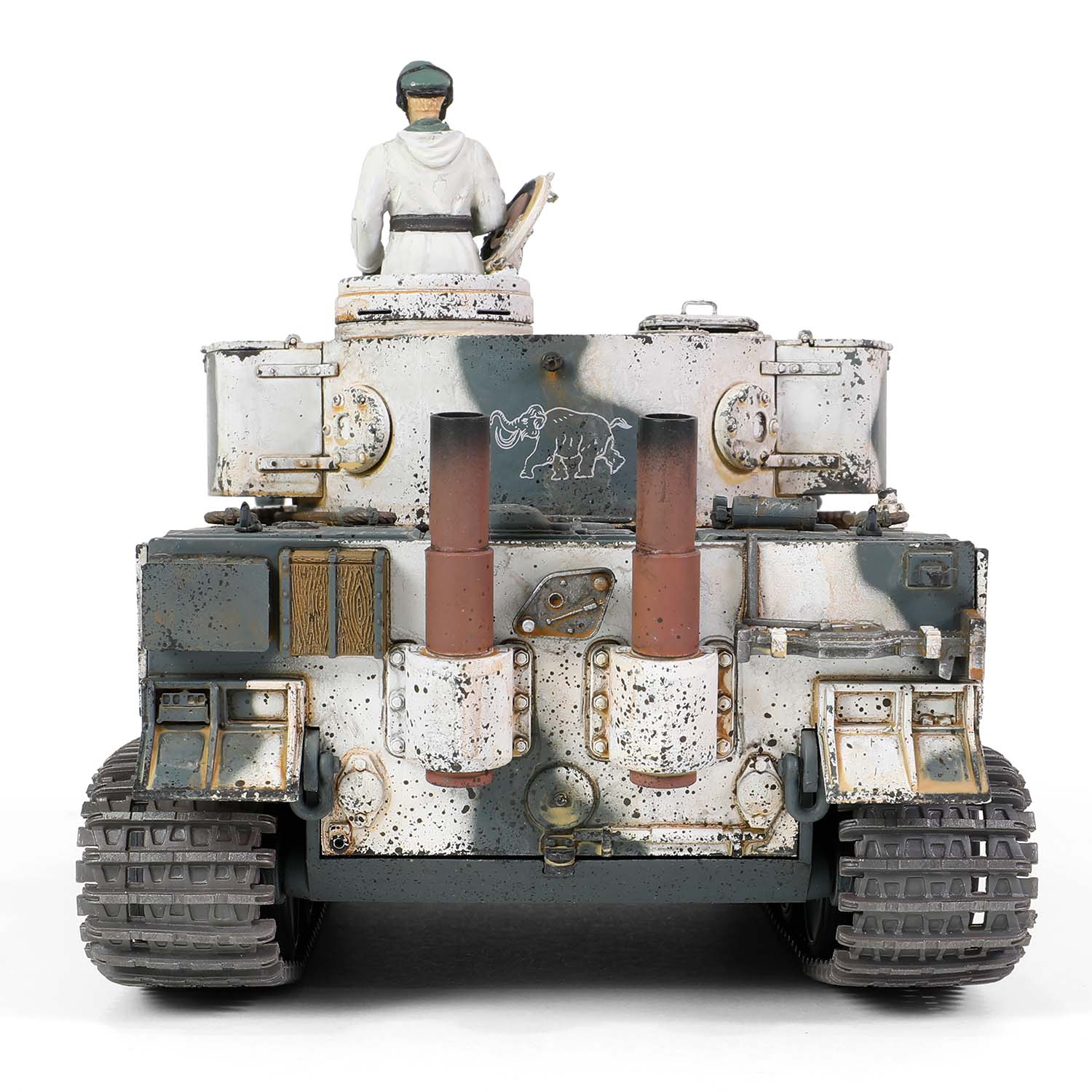
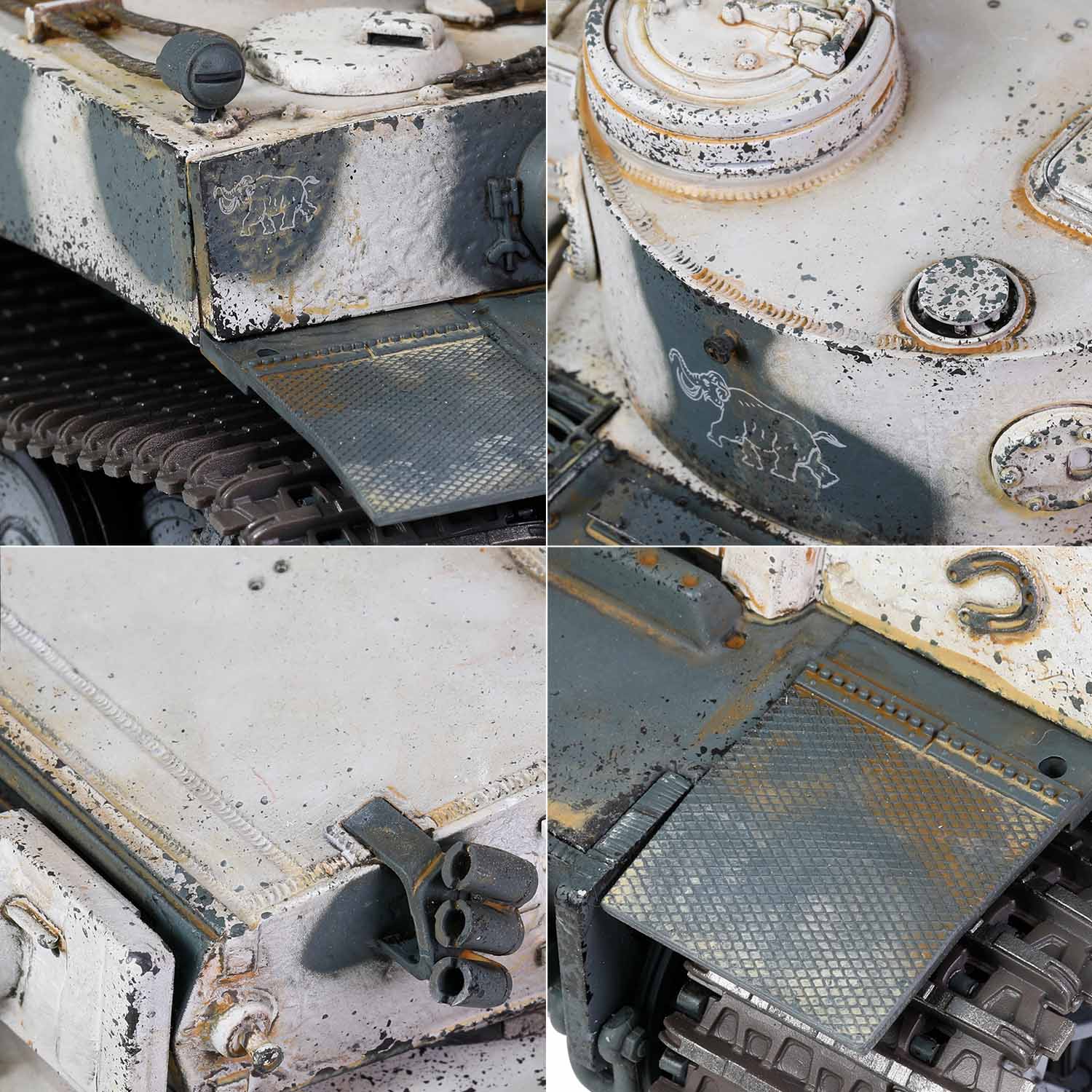
During World War II, each German Wehrmacht developed a very unique emblem to represent itself, and the 502nd Heavy Armored Battalion was no exception. The emblem was a mammoth, symbolizing great strength and power. Interestingly, the 502nd Heavy Armored Battalion was the first unit to receive and field the German Tiger tank, the heaviest and most powerful of its time. These new Tiger tanks arrived in August 1942 and saw their first combat action on the Eastern Front in mid-September 1942. Although the battalion was assigned to the Eastern Front, there they saw action around the Leningrad area. In January 1943, 9 Tiger tanks with chassis numbers 250002 to 250010 were assigned to the 520th Battalion. These were classified as initial production models - they were not equipped with front, rear or side fenders, Feifel air filters or exhaust hoods seen on later Tigers. In order to hide the exhaust flames, on the very few Tigers installed in the 502nd Battalion, a sheet metal "chimney" was fixed to the top of each exhaust pipe.
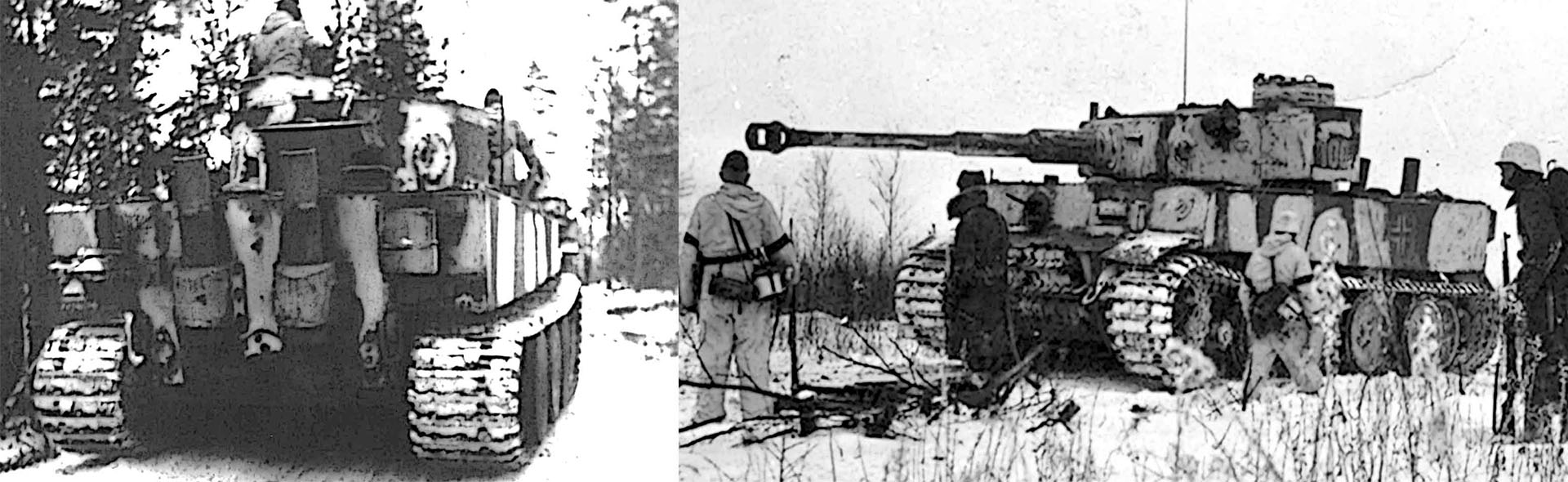
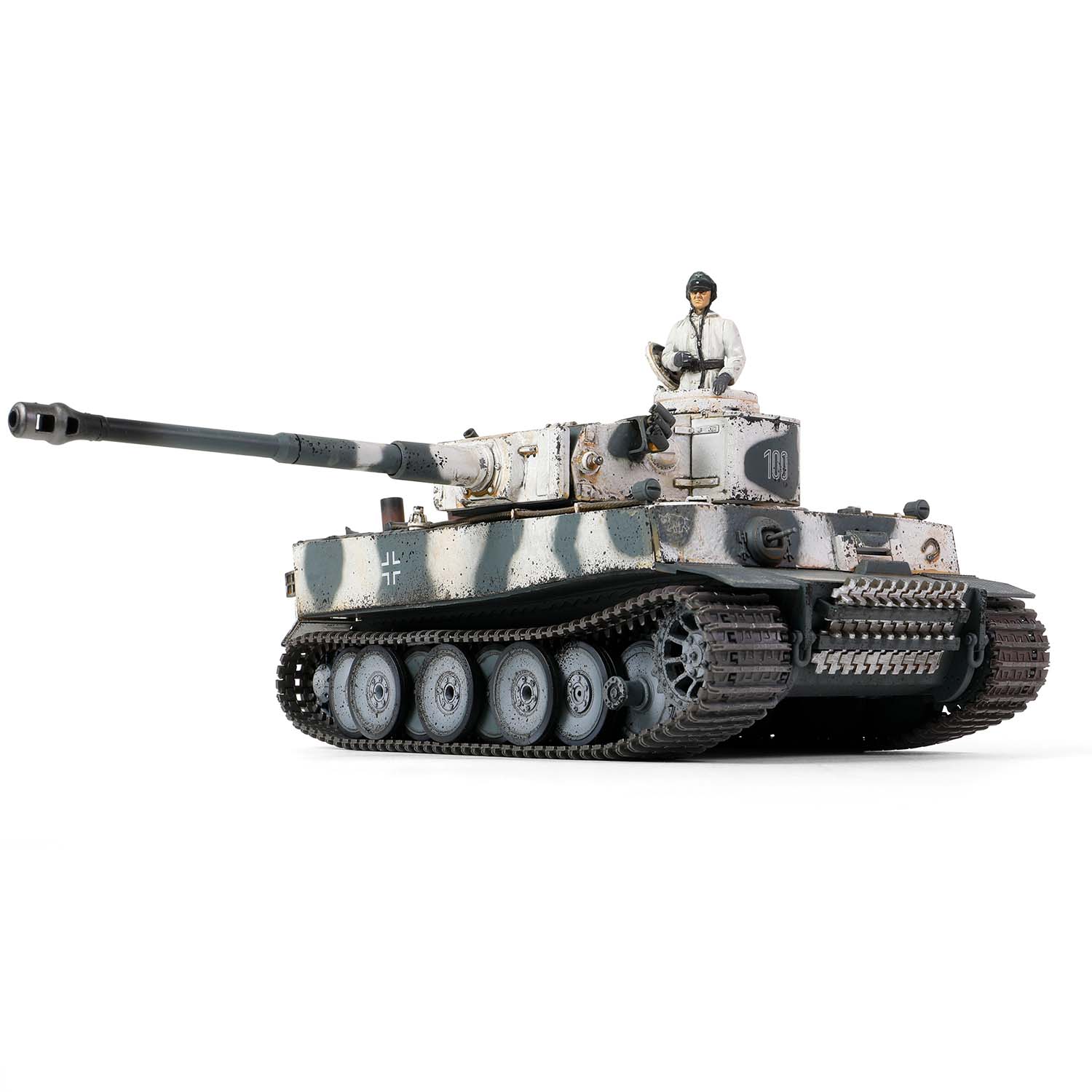
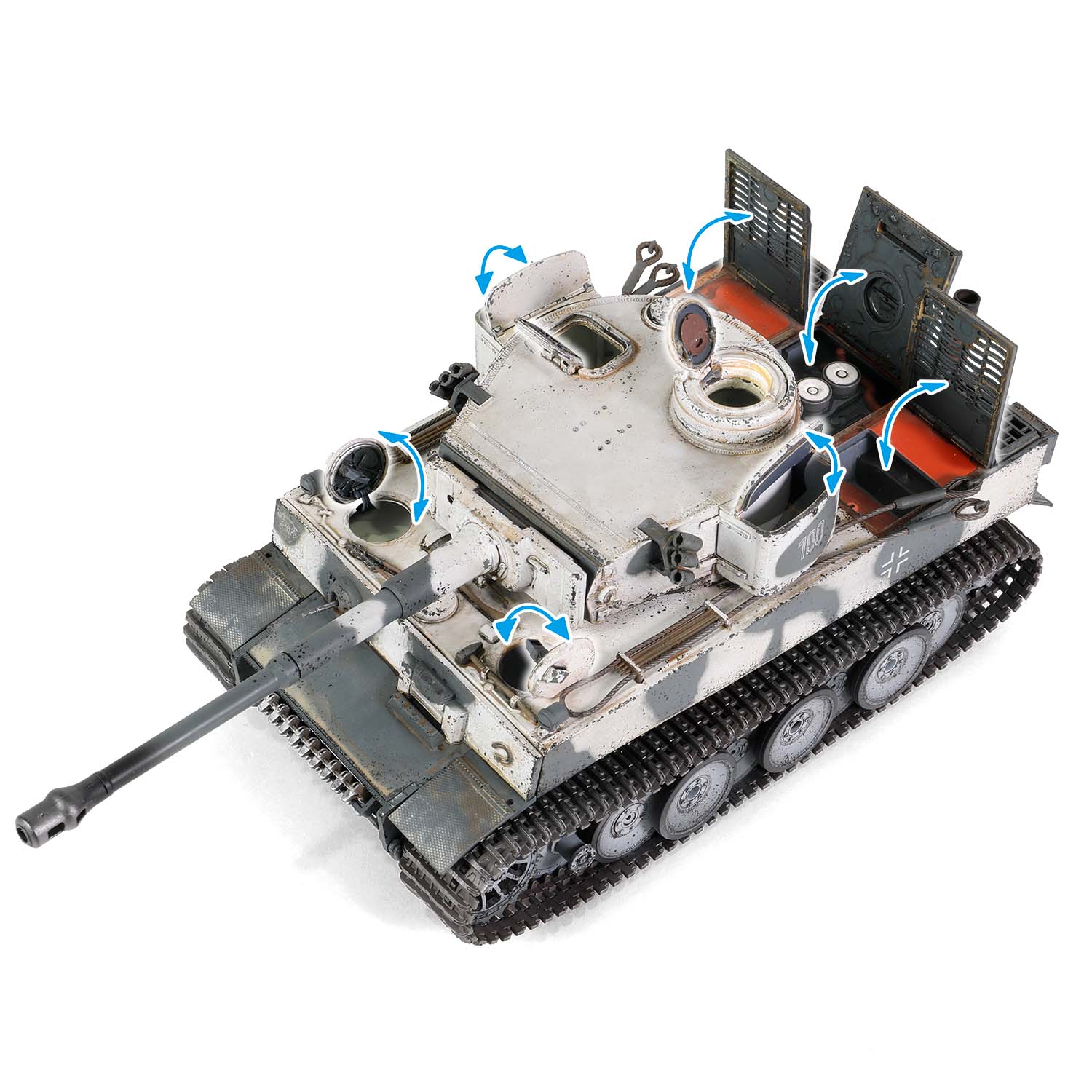
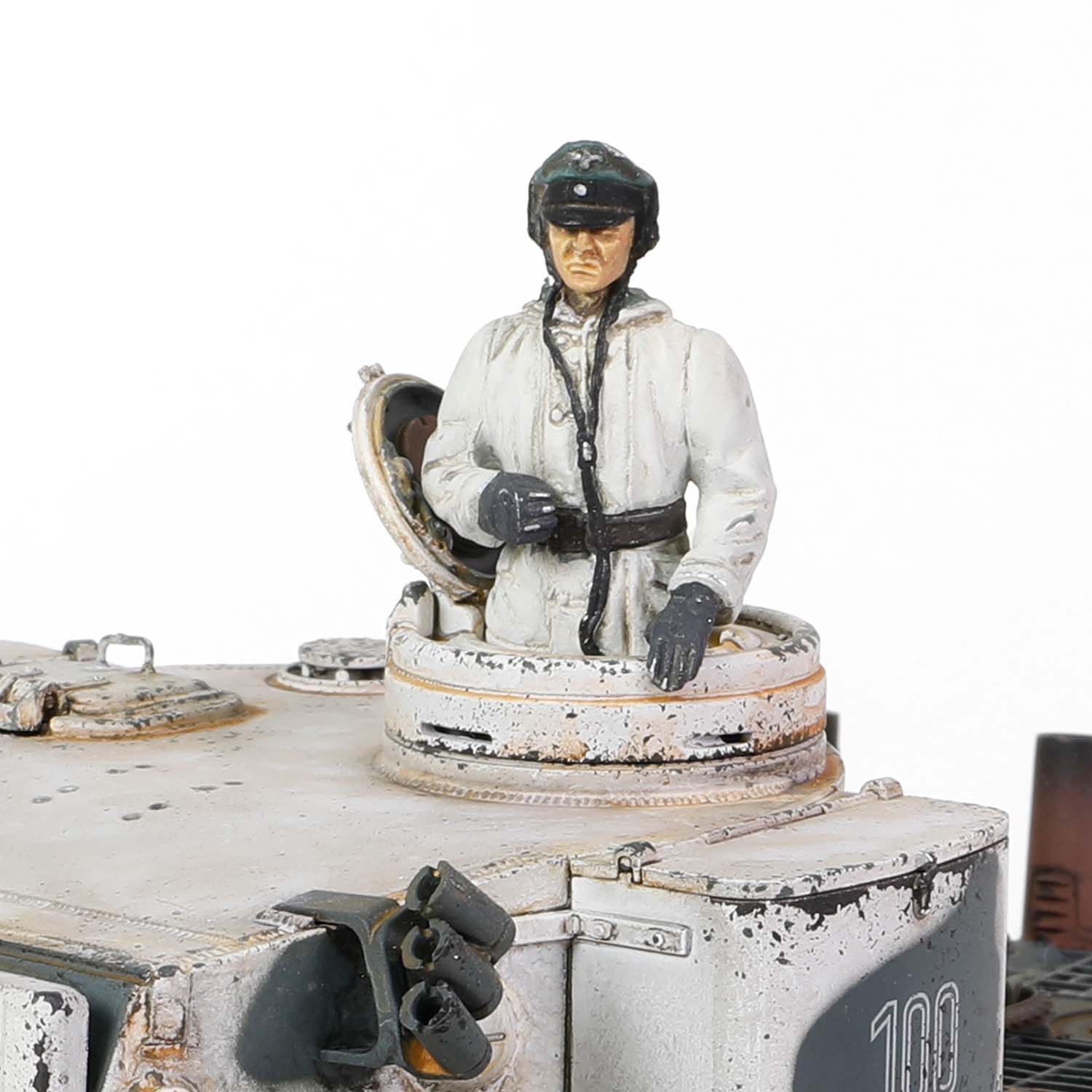
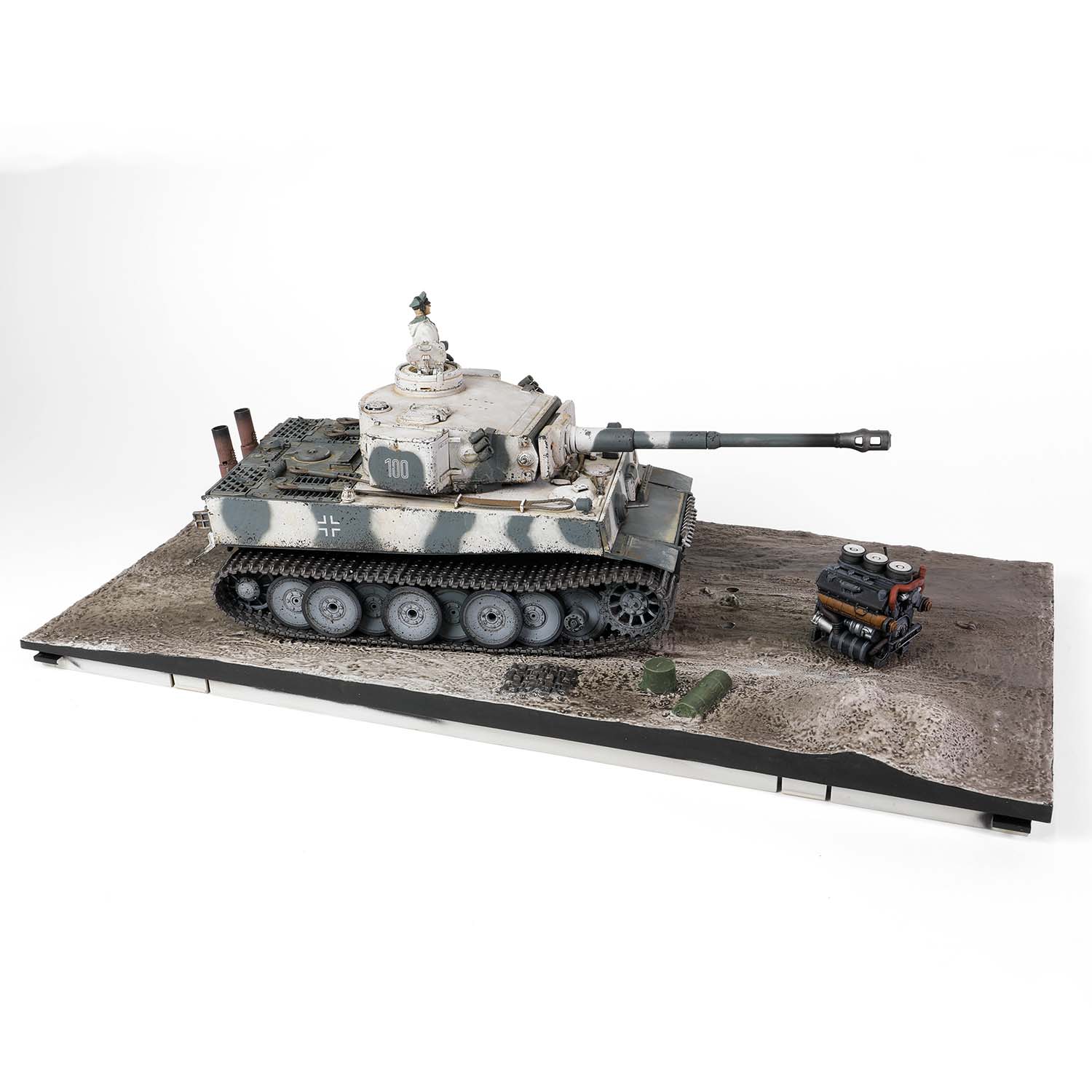
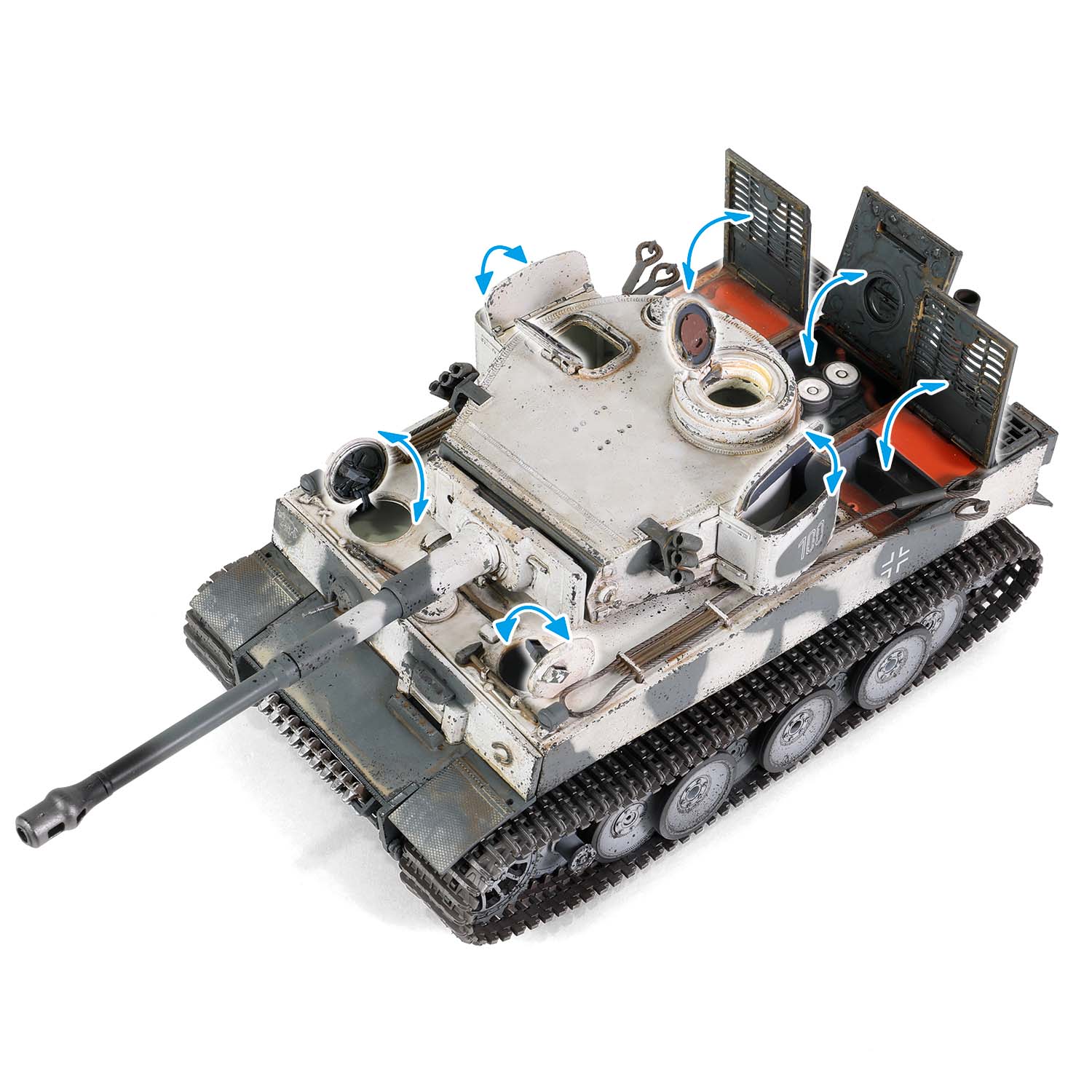
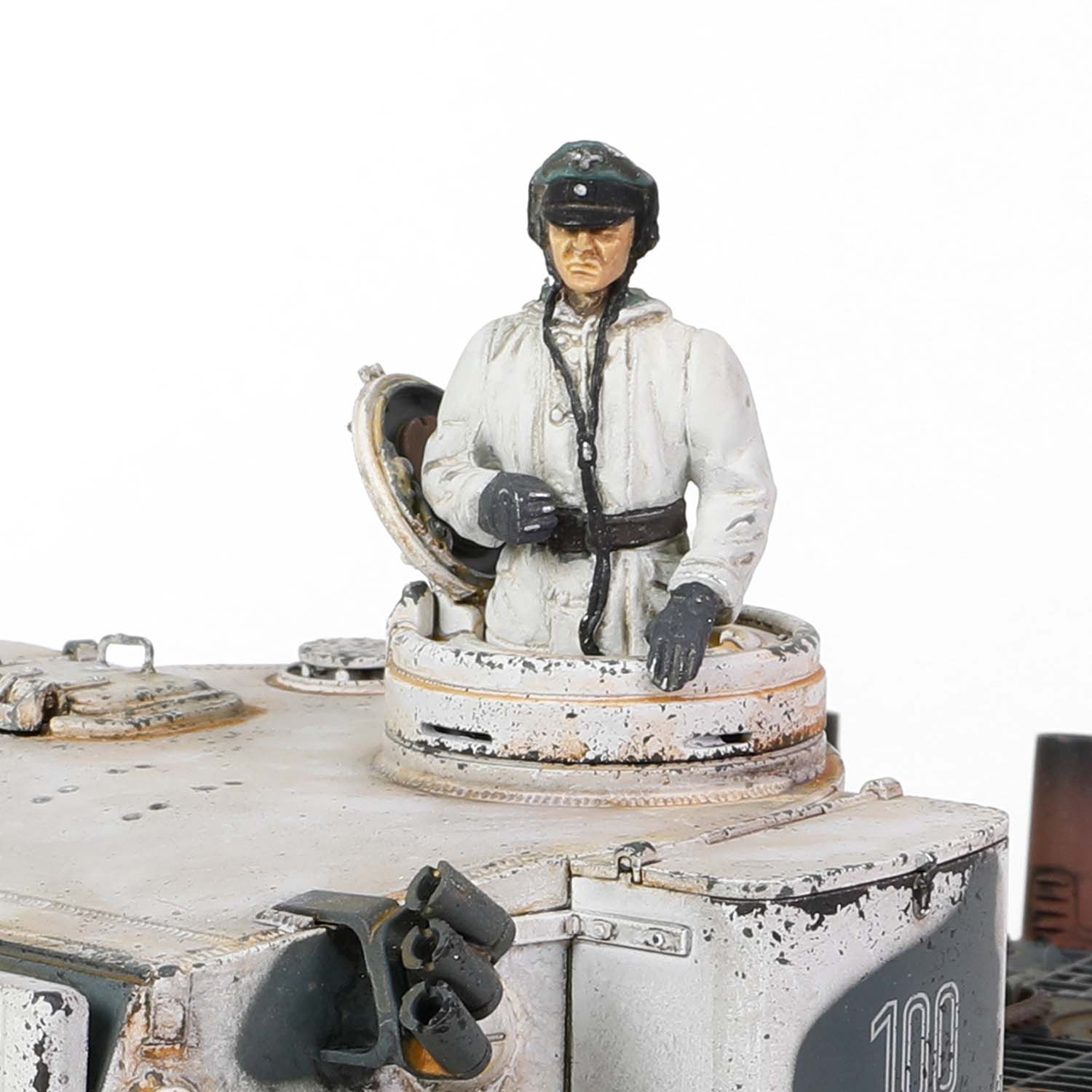
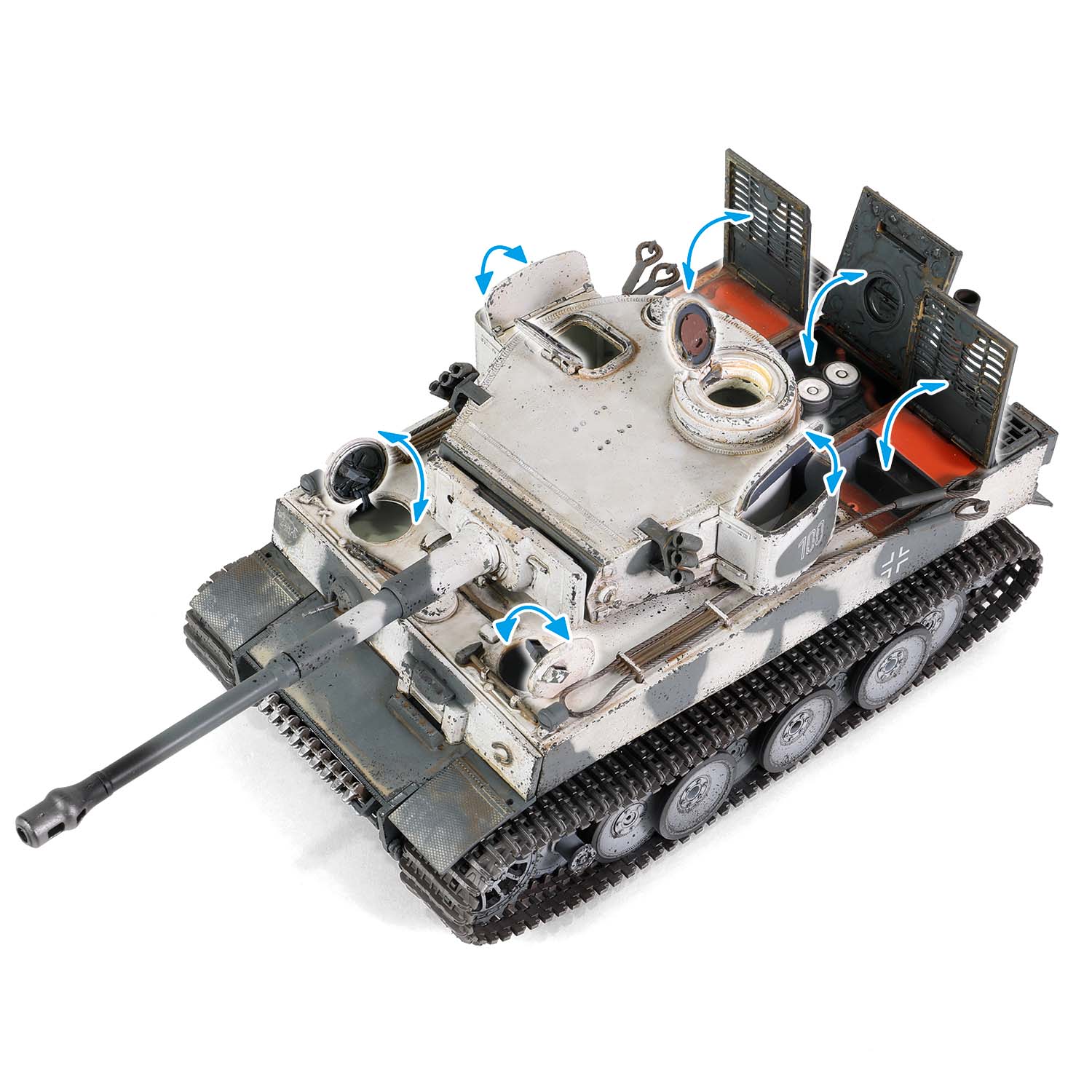
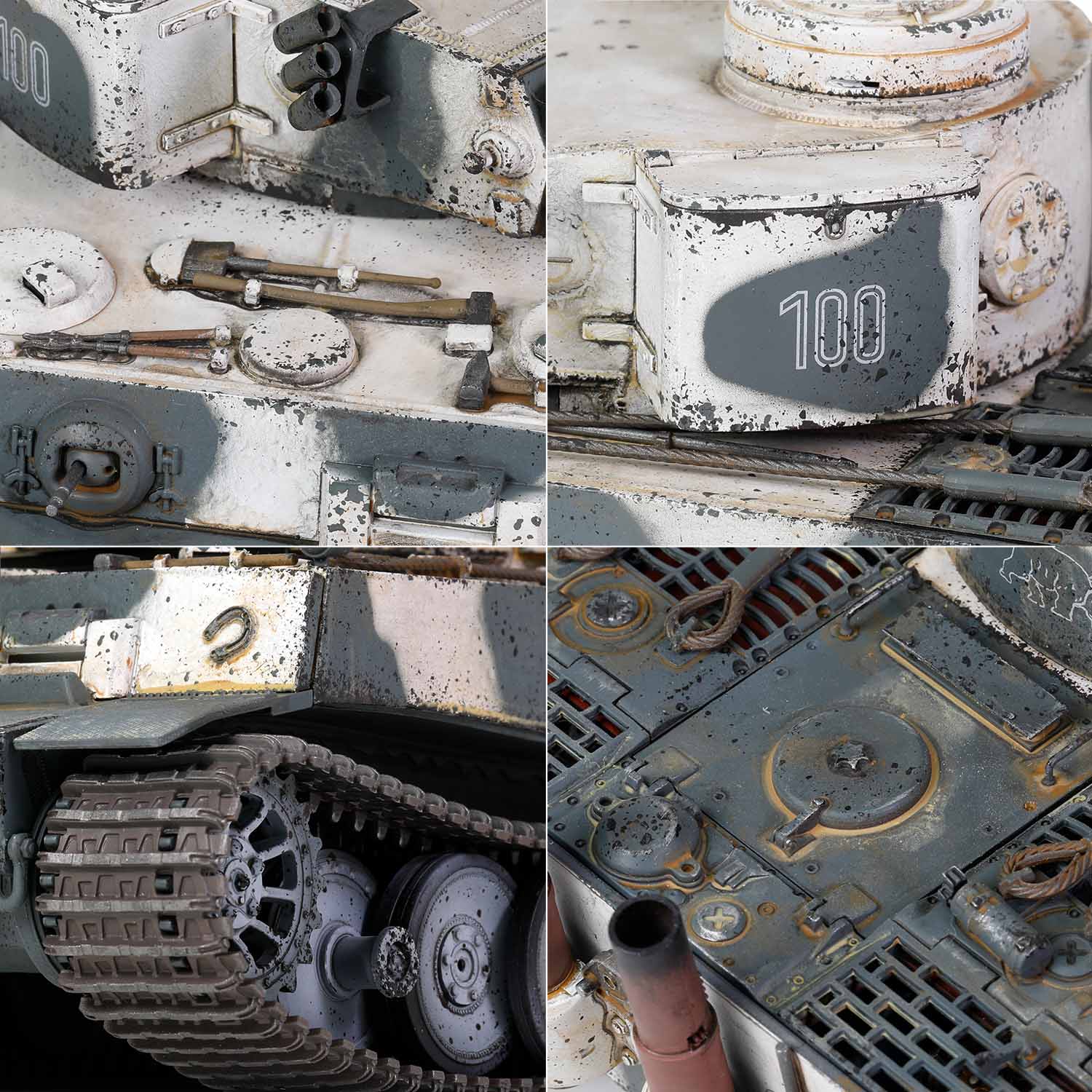
Properly camouflaged for the first winter campaign of the war, the tanks were painted with a dissolvable winter oil based on the German Dunkelgrau (dark gray) chassis color. This whitewash was diluted by whatever was freely available at the time - fresh water, dirty river water, even fuel, resulting in a mottled, easily scuffed and heavily weathered finish. This particular Tiger, body number "100", has two rare large turret tool boxes (storage boxes) on both sides of the turret. It was slightly damaged during Operation Spark on 17-18 January 1943. Due to a lack of supply equipment, No. 100 was eventually abandoned and was eventually taken away from the front line by Soviet forces. The tank was studied extensively by the Soviet Army and then displayed along with other equipment in Moscow's Gorky Park for the public and other military officials - the likes of Stalin and Zhukov to view. There it was photographed by a famous photographer, and the photos recorded the wreckage of No. 100 without its winter paint and the missing side turret box. Later the commander of the 502nd Battalion, Otto Karius, led the Tiger Company until early 1945. The unit was redesignated the 511th Battalion in January 1945 and operated on the Eastern Front until April; destroying approximately 1,400 enemy tanks.