- Introduction & Background
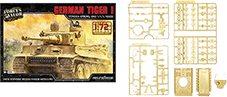
The original designation of the Tiger I was Panzerkampfwagen VI Ausführung H, also known as PzKpfw VI Ausf H. When it was first deployed it was classified under the ordnance inventory designation Sd.Kfz.182. Only 1347 were built between 1942 and 1945. Known to the Allies as the "Tiger" tank, it was one of the most powerful tanks they had ever encountered.
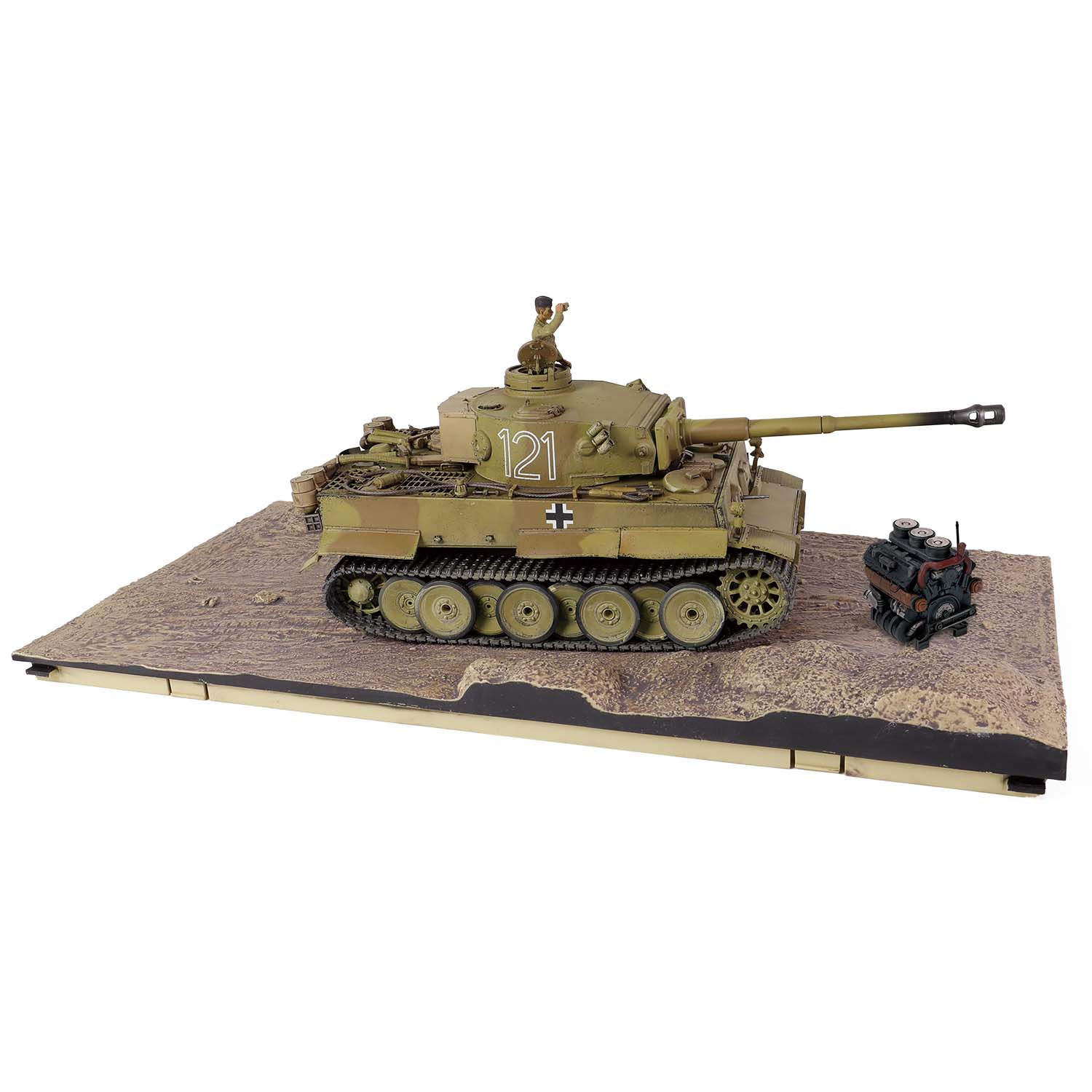
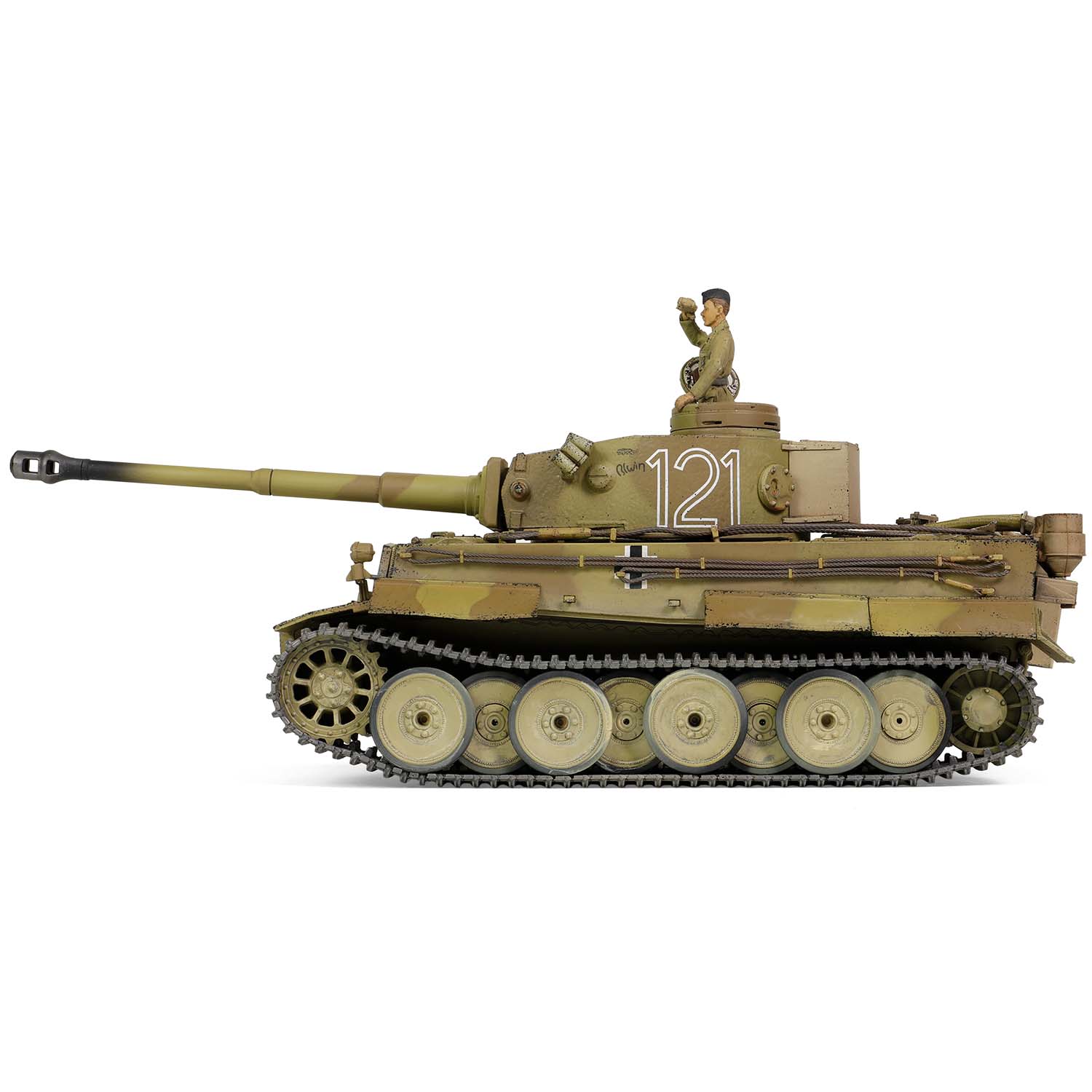
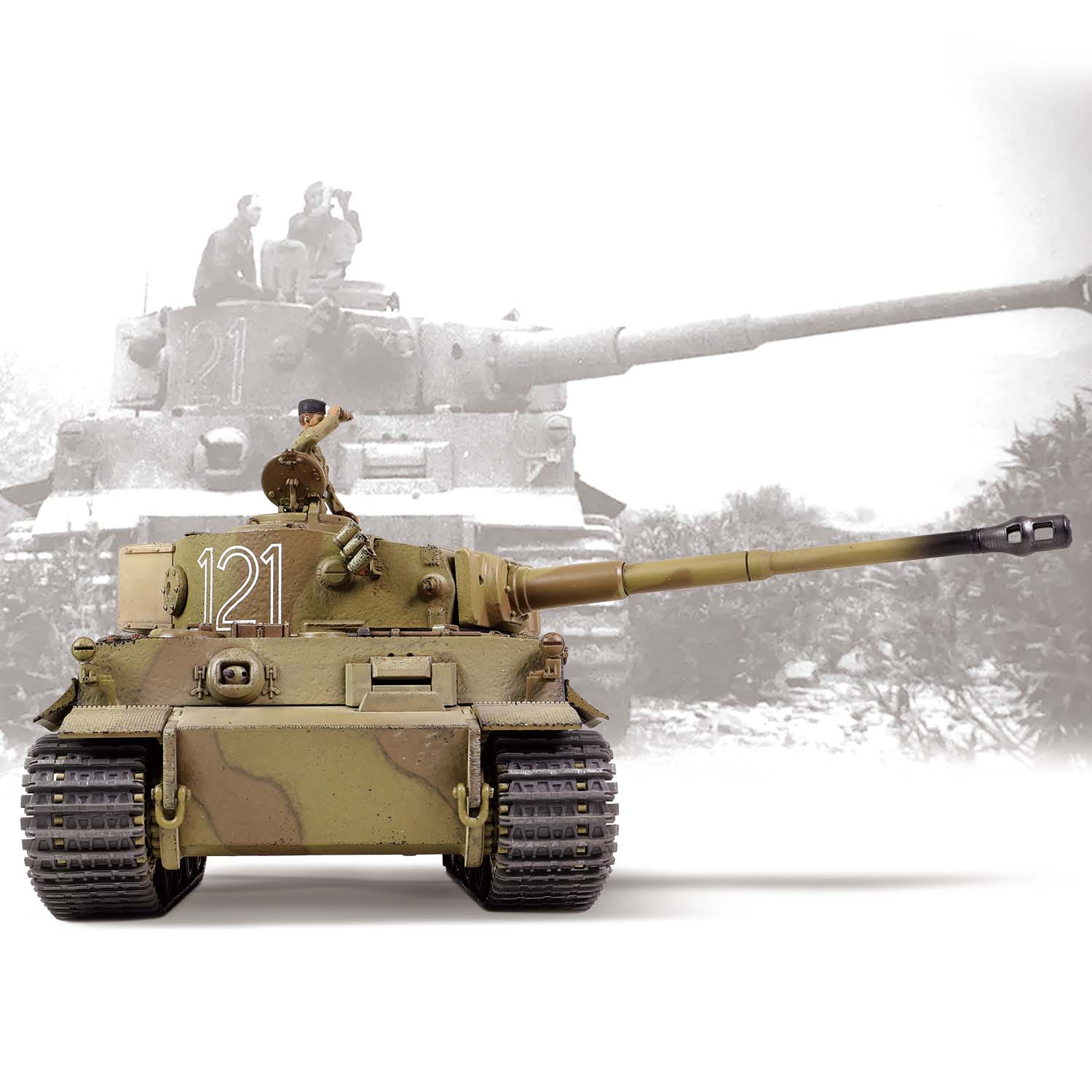
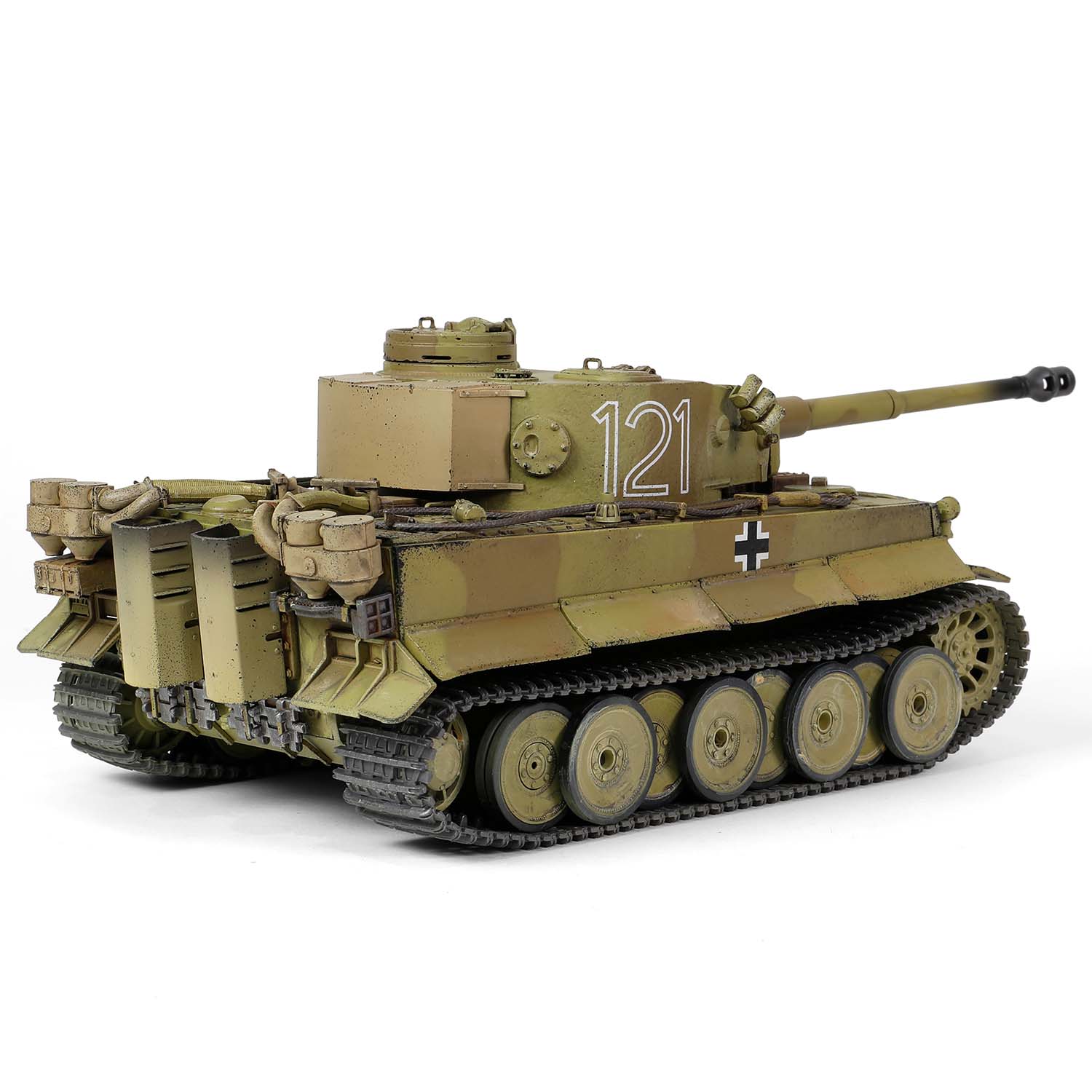
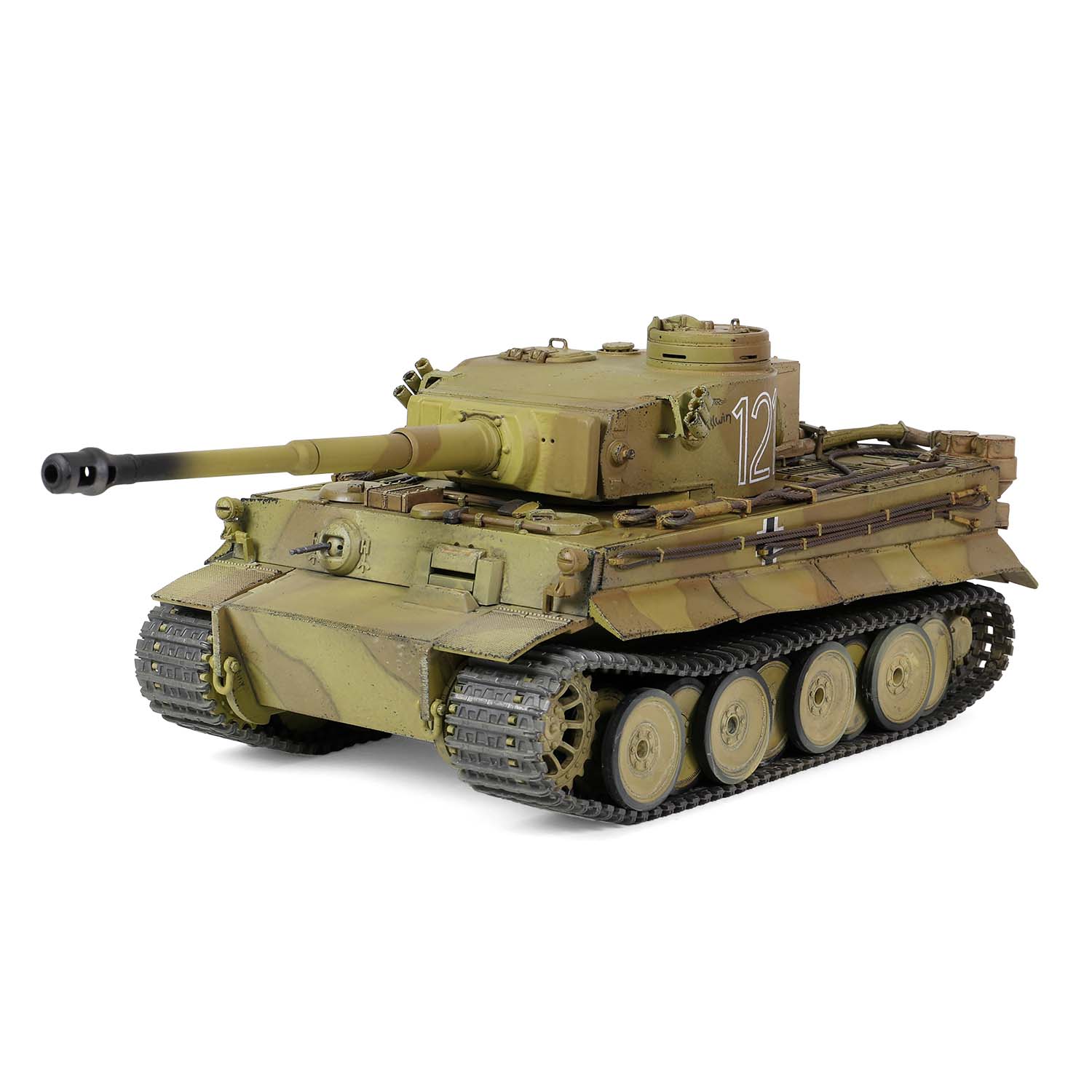
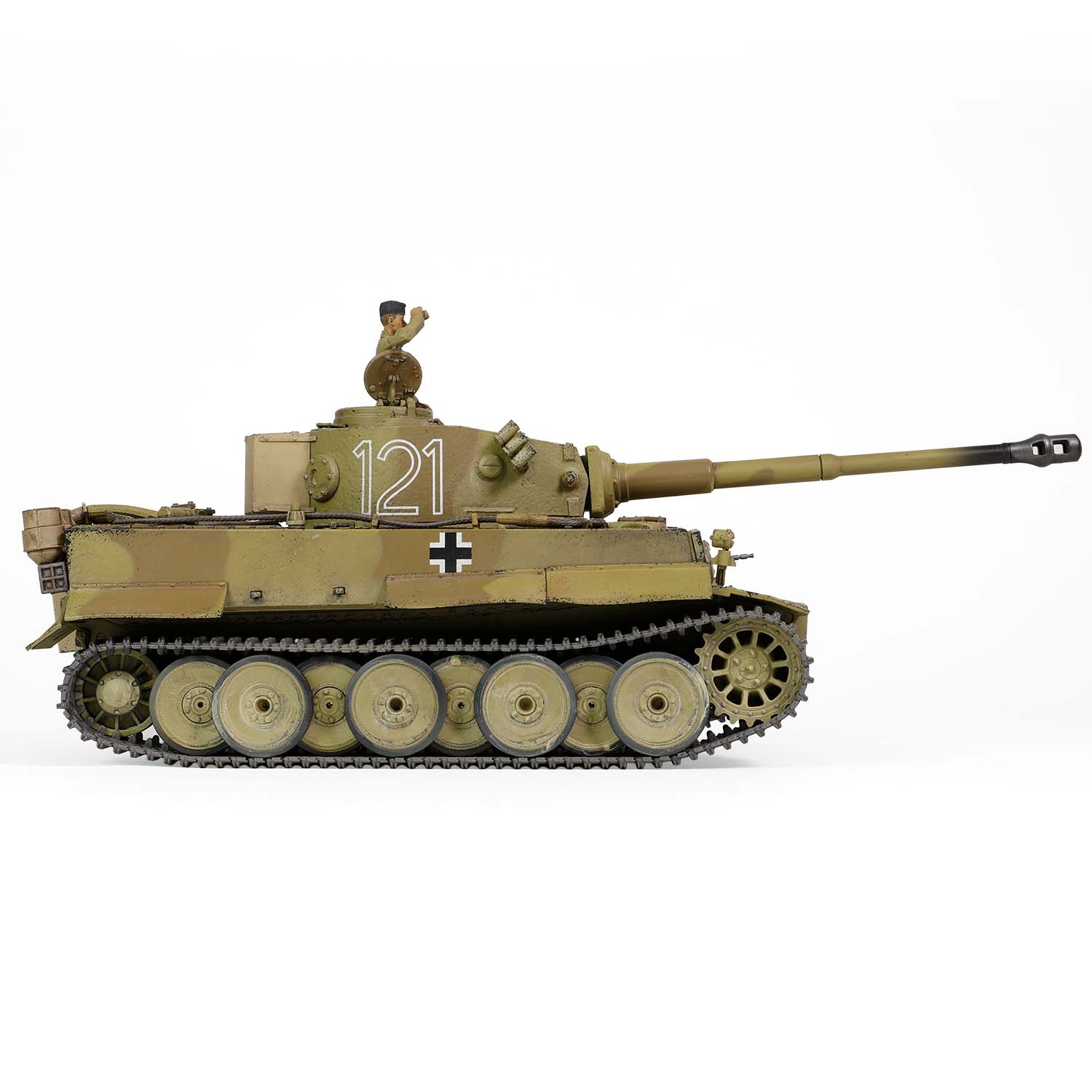
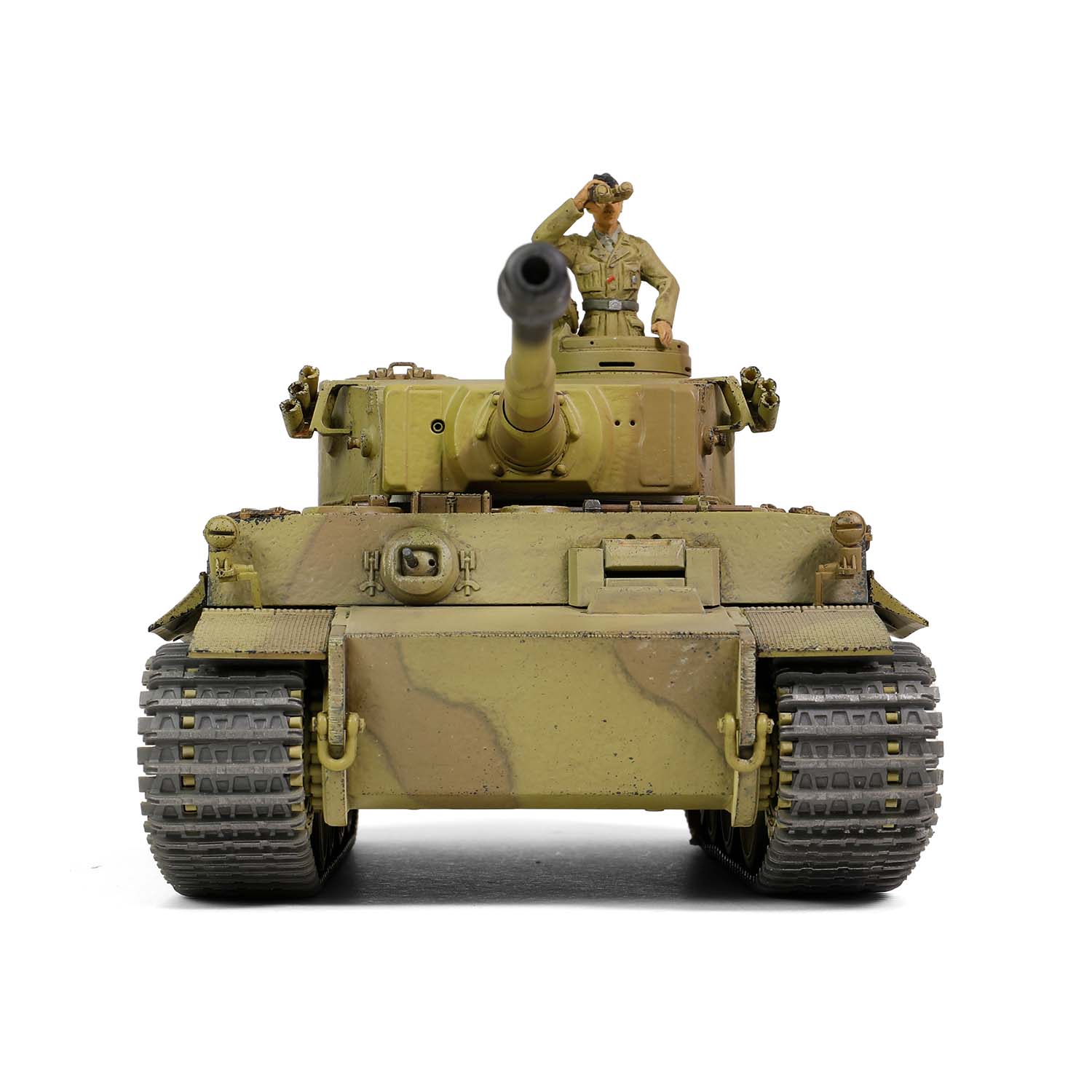
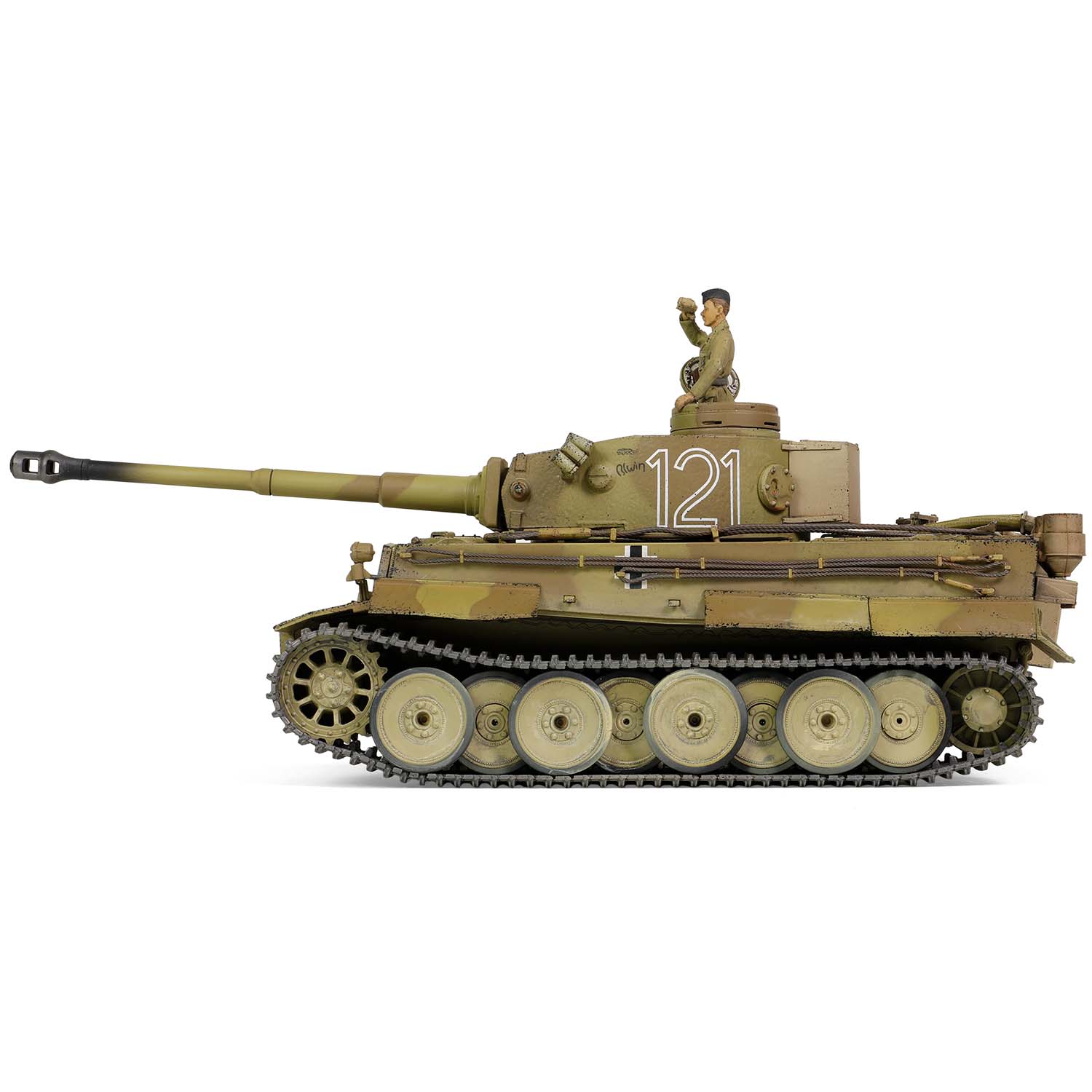
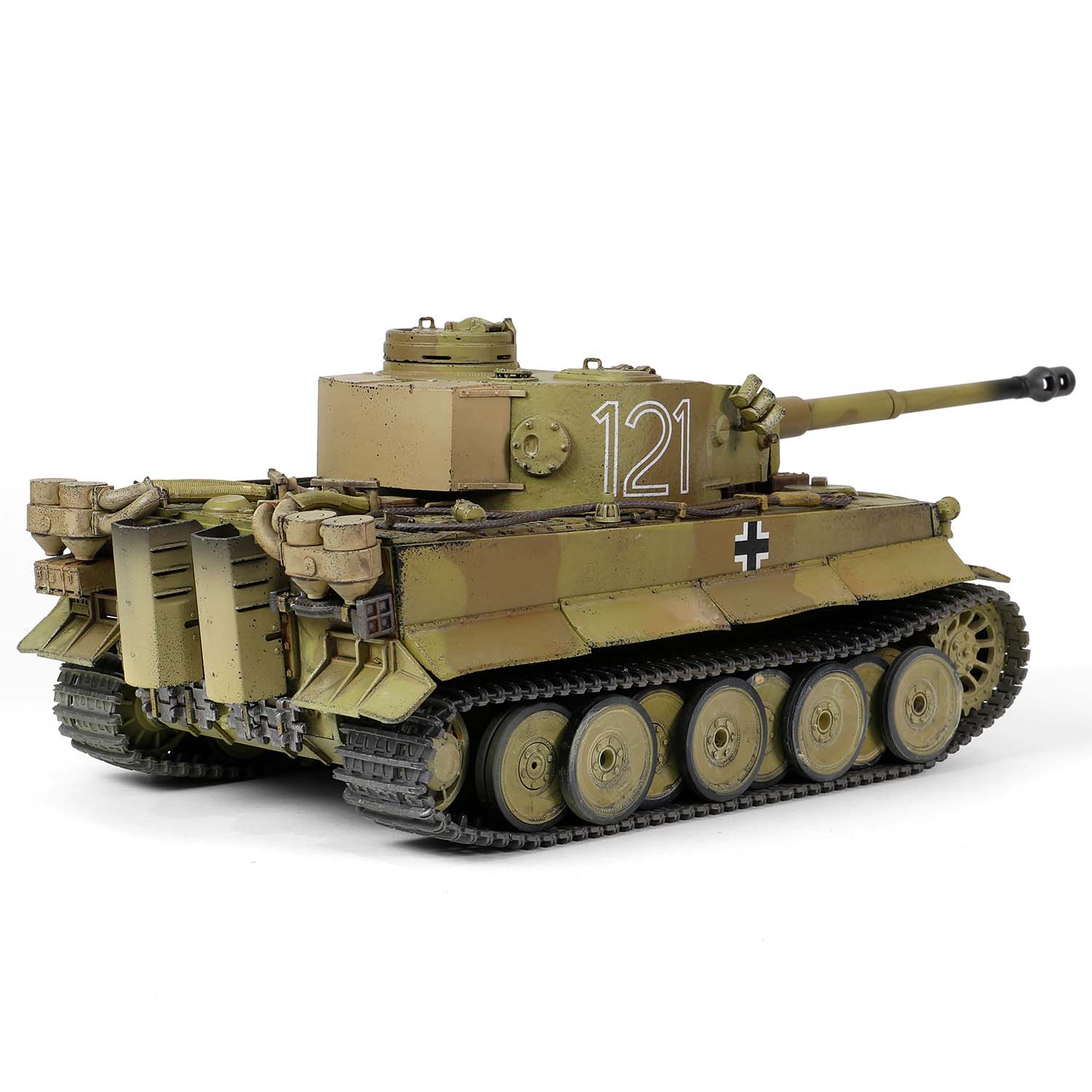
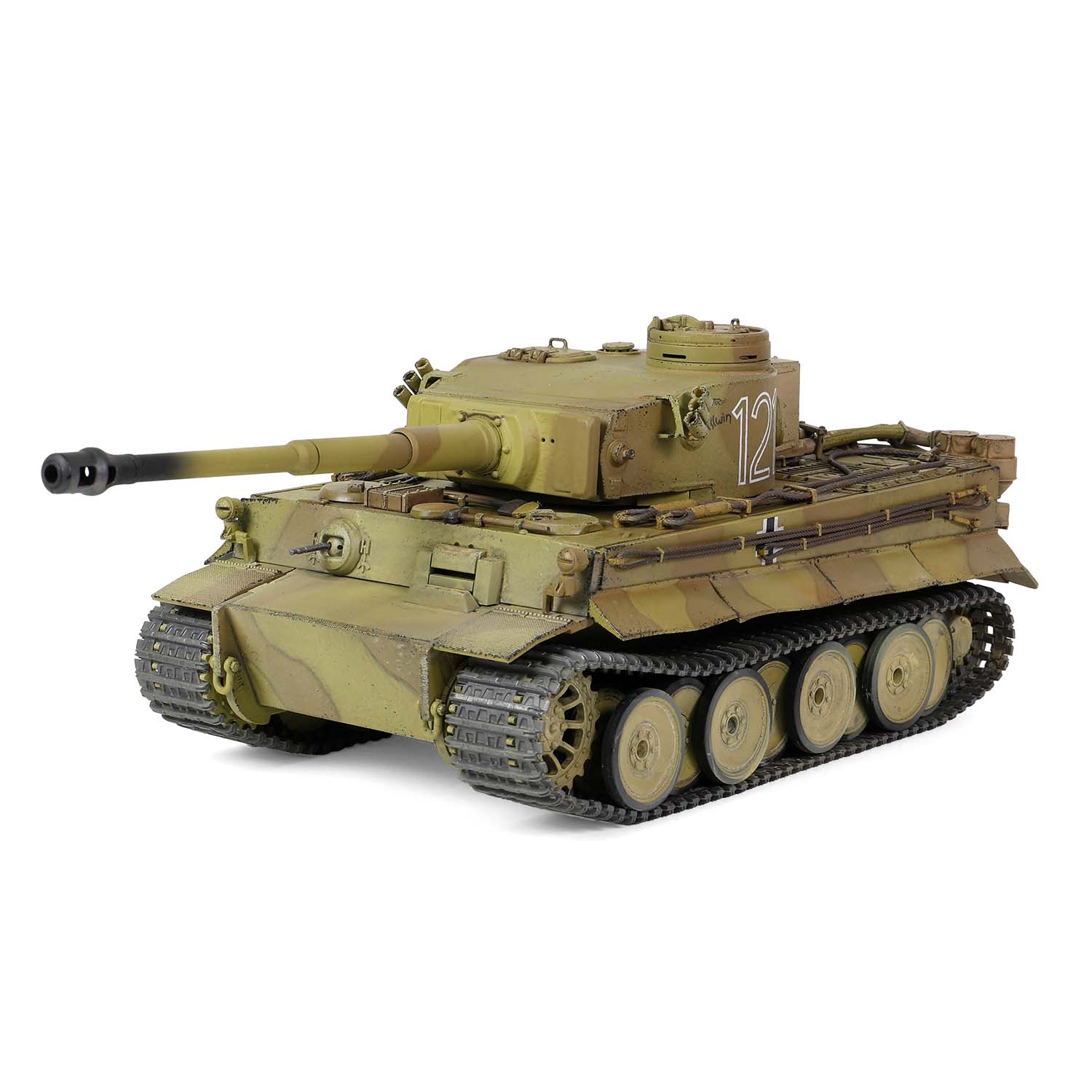
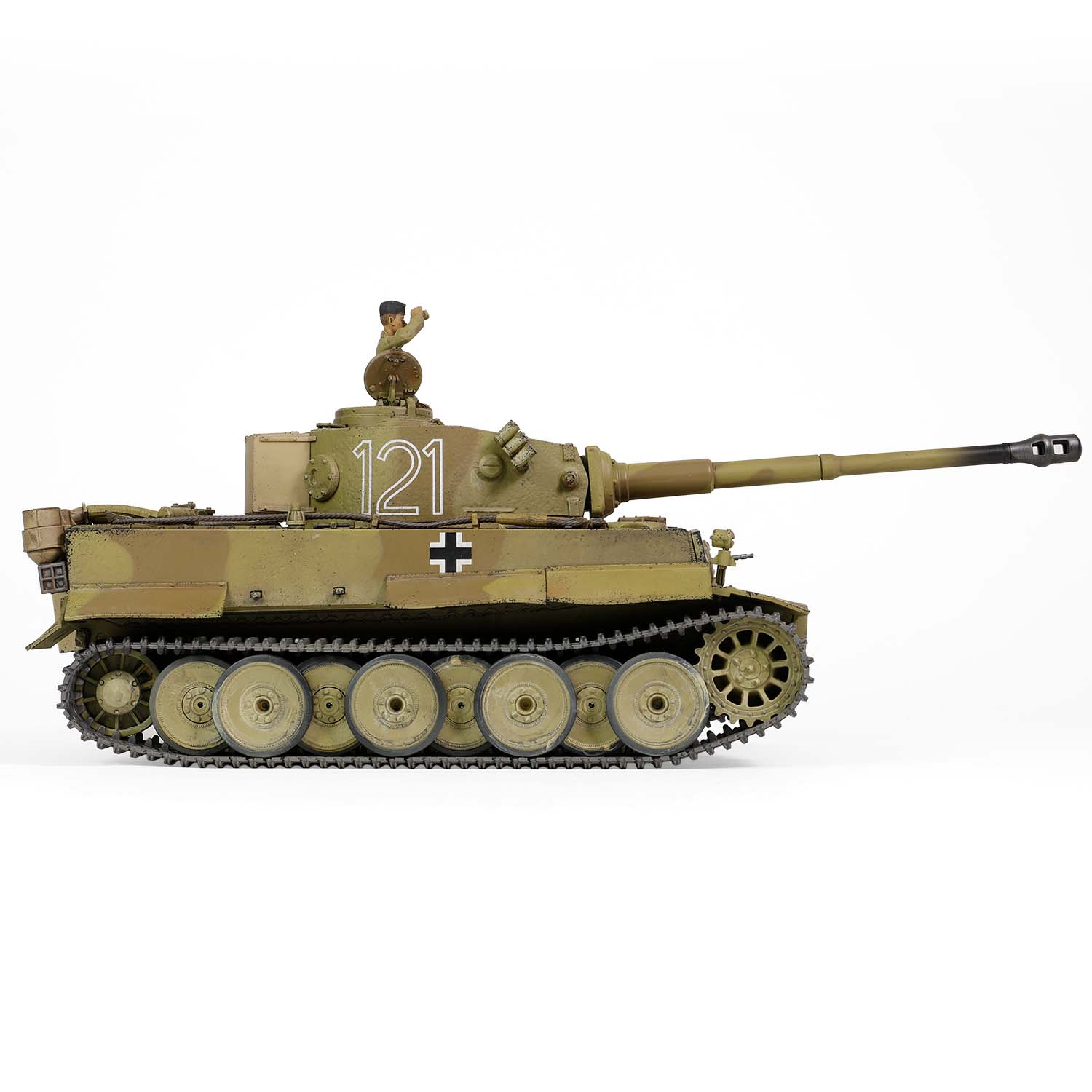
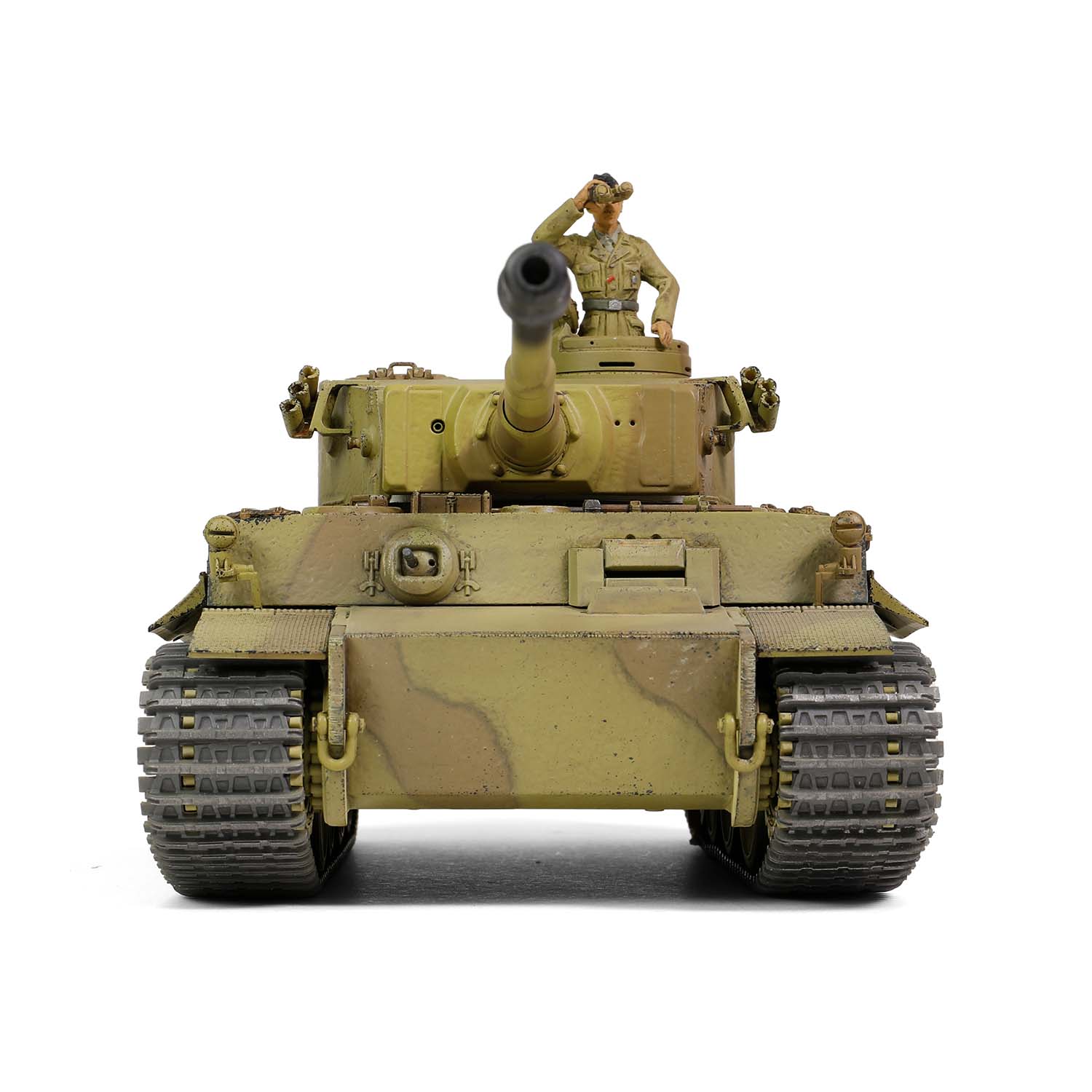
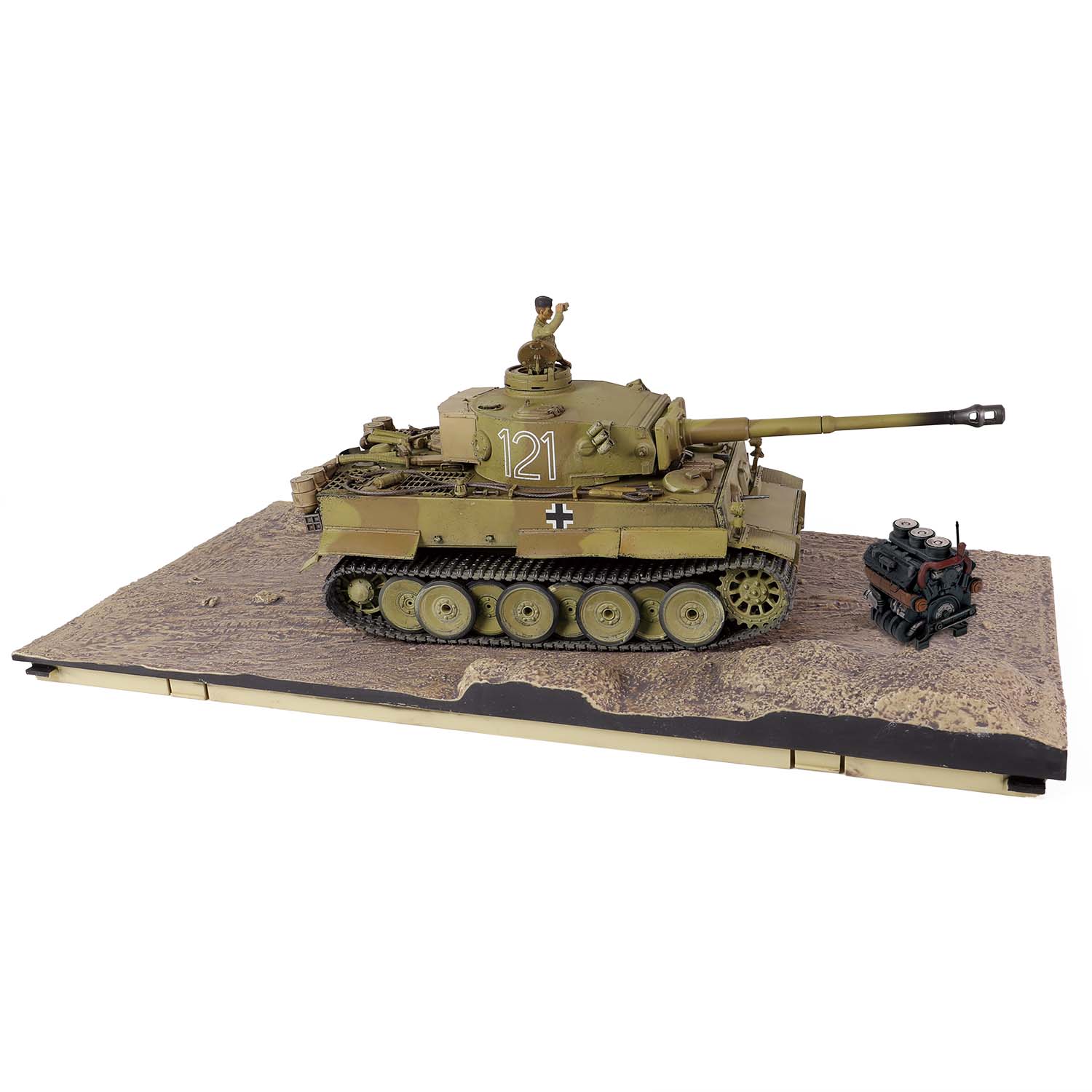
Since it was first developed at the end of 1942, the Tiger tank has undergone many improvements, evolving into different vehicle types almost every three months. Tiger I development was divided into four stages of variant initial, early, mid and late production vehicles. The initial Tiger I production was assigned to the 501s.Pz.Abt (Schwerer Panzer Abteilung - Heavy Tank Battalion), which was formed in 1942. The 501st Heavy Panzer Battalion was assigned to the 5th Armored Battalion commanded by Ergen von Arnim. Army Group, whose troops were deployed in Tunisia during Operation Torch. Before being assigned to Tunisia, these initial Tiger tanks were originally intended for use on the Eastern Front, so the base color of these tanks was initially German Gray (Dunkelgrau-RAL7021), but at the last minute Nazi Ordnance decided to deploy these Tiger units into Battle of Tunisia. As a result, the tanks were overall repainted with a coat of Desert Yellow/Tawny (Gelb-braun-RAL8000), the mixture of the two paints producing a deeper yellow tone. Gray-green (Grau-Grun-RAL7008) is used as a destructive color.
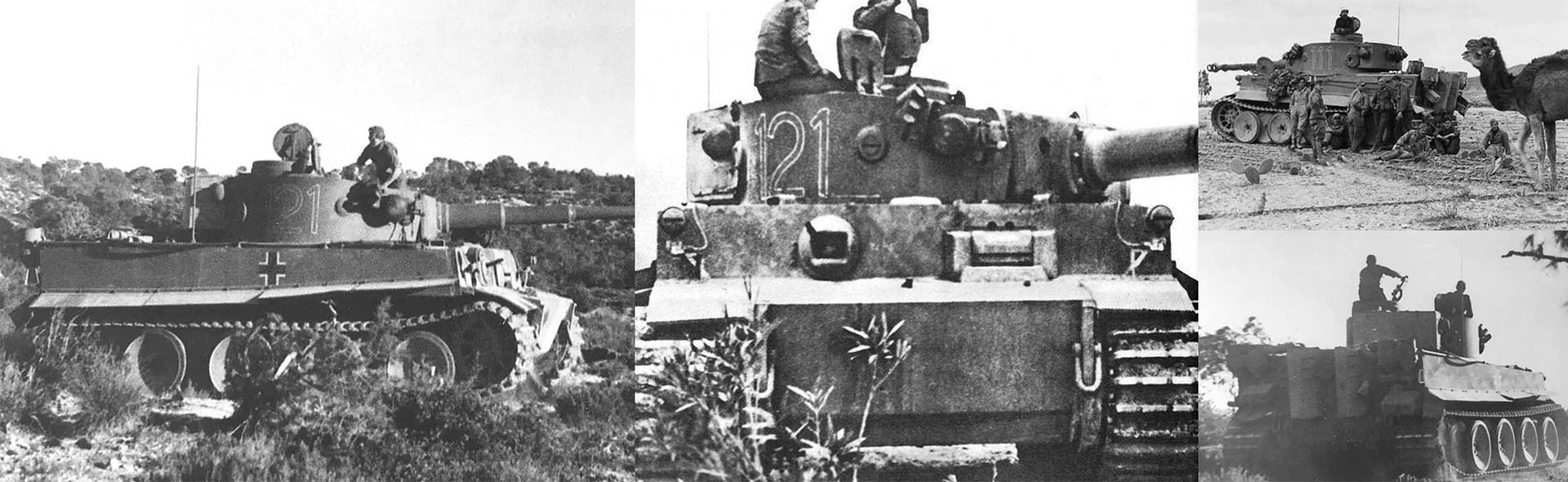
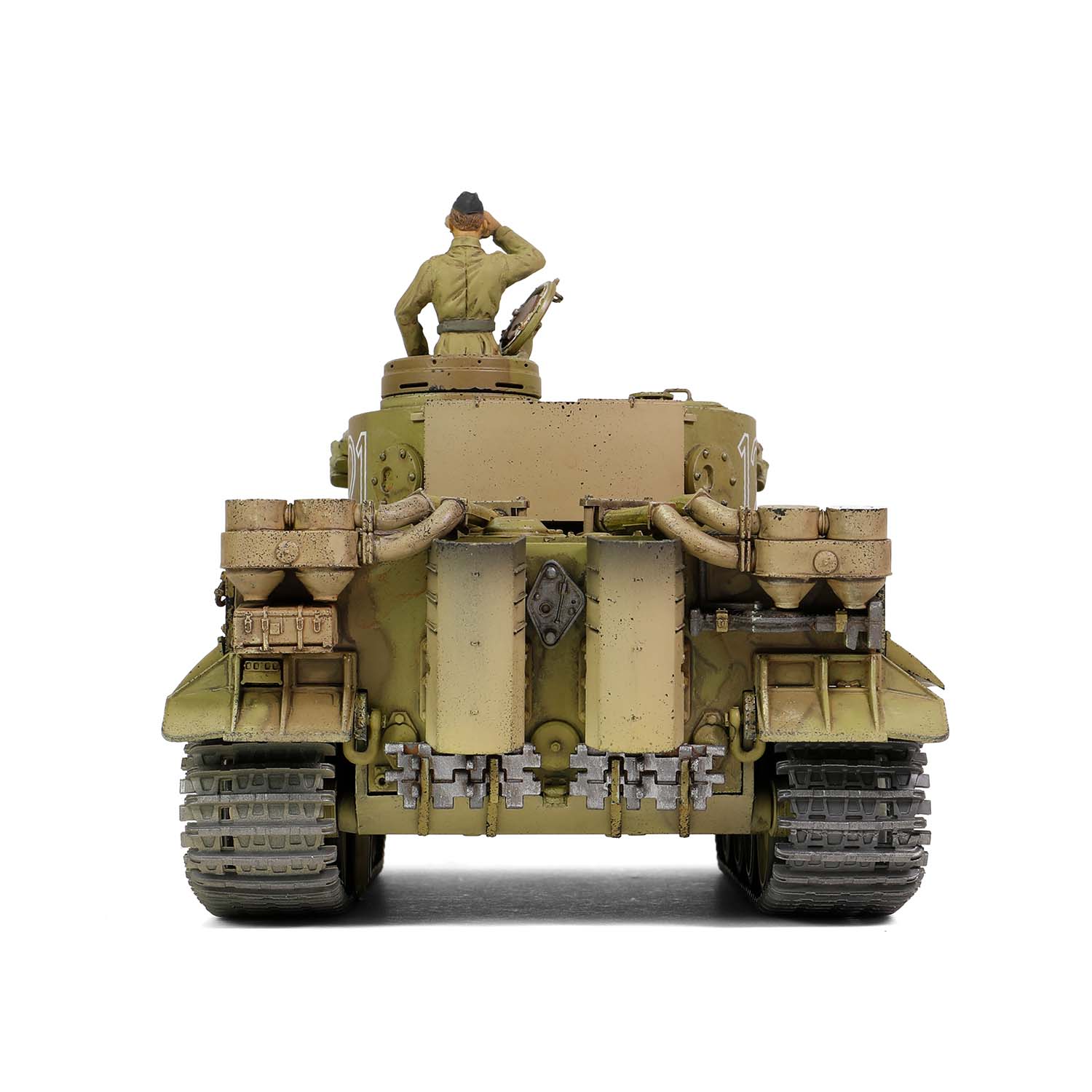
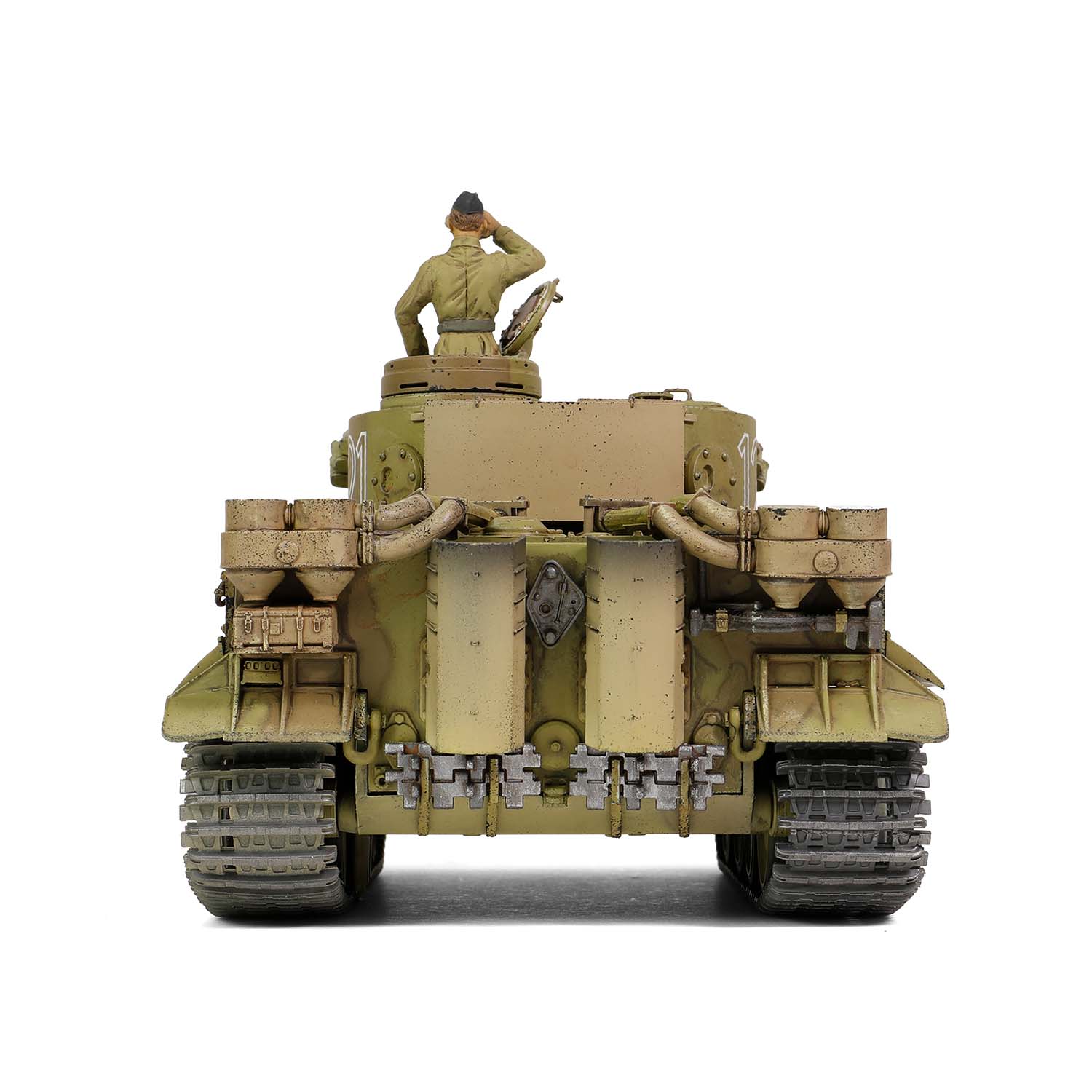
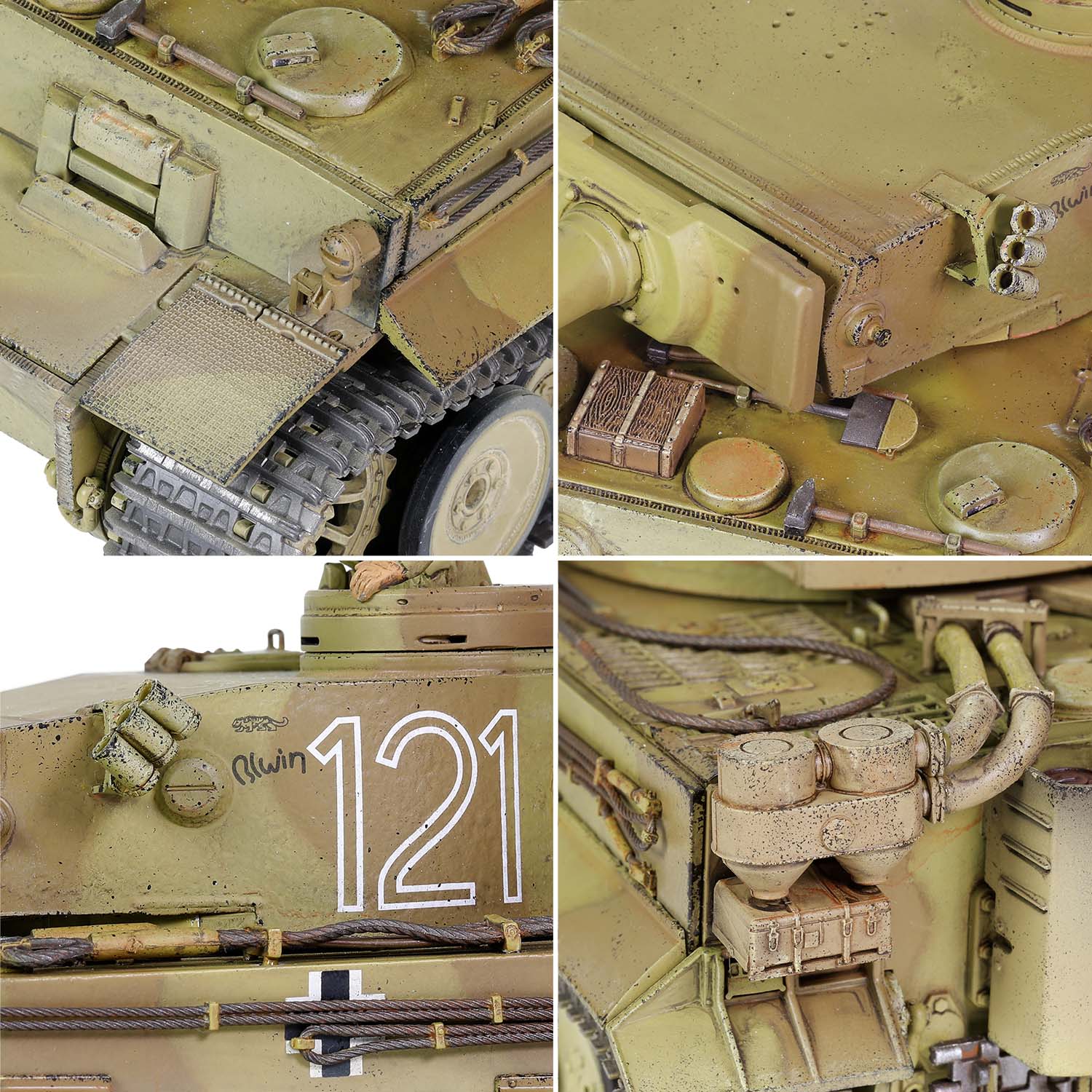
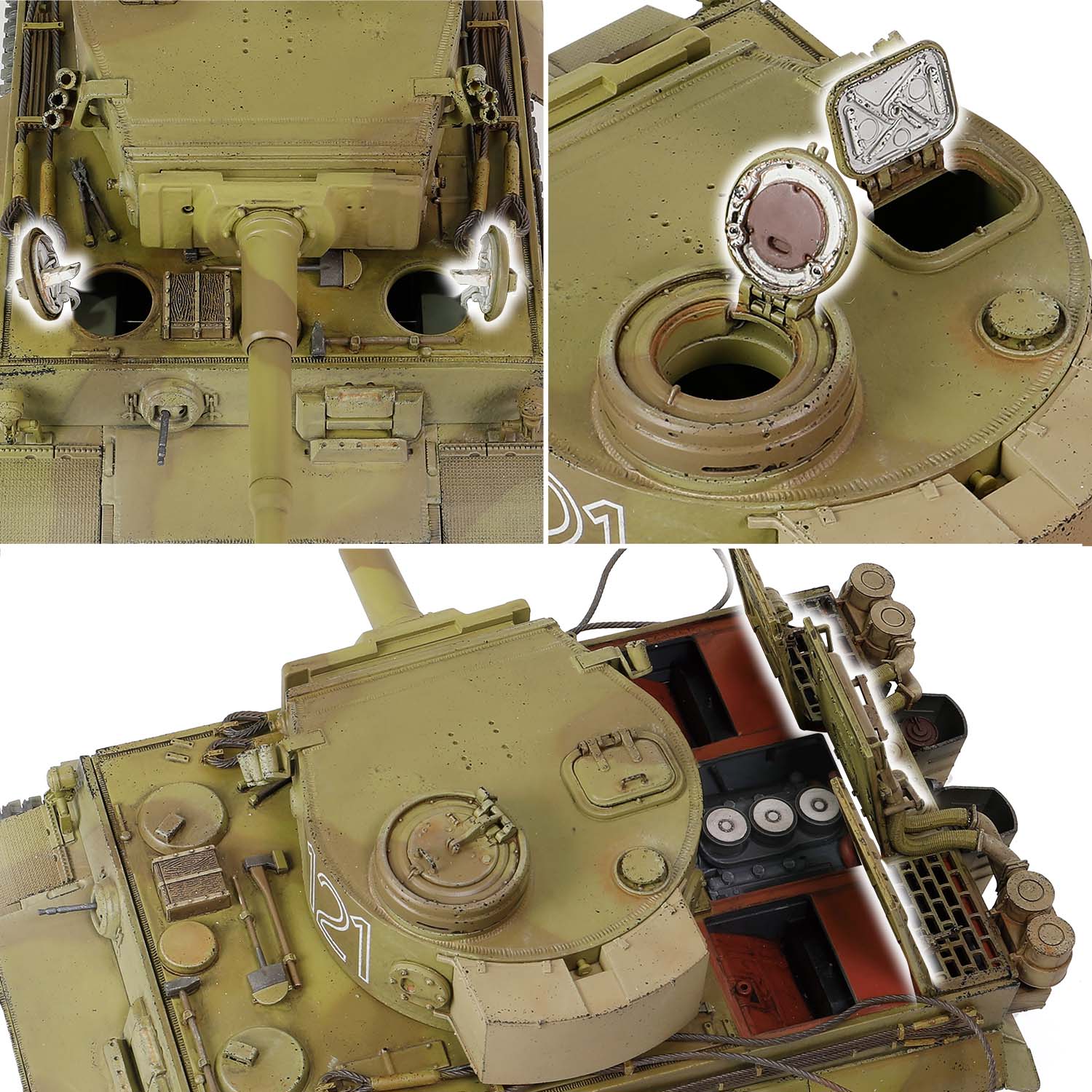
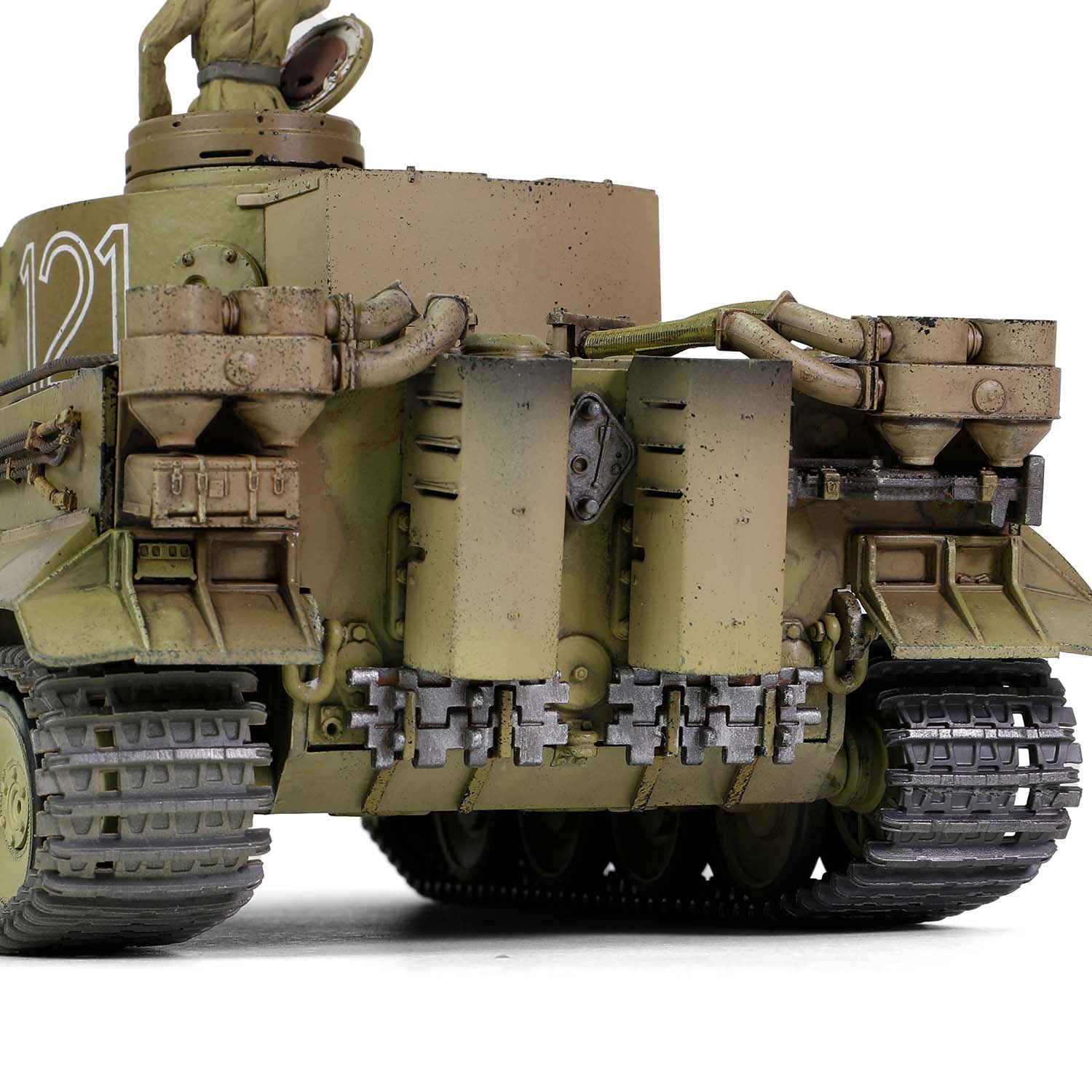
Upon arrival in Tunisia a Feifel air filter system and rear turret storage box were added, these additional accessories were painted a lighter desert yellow/brown (Braun -RAL8020) as well as a darker coat of yellow, it showed very even There is also high contrast in black and white photos from many historical references.
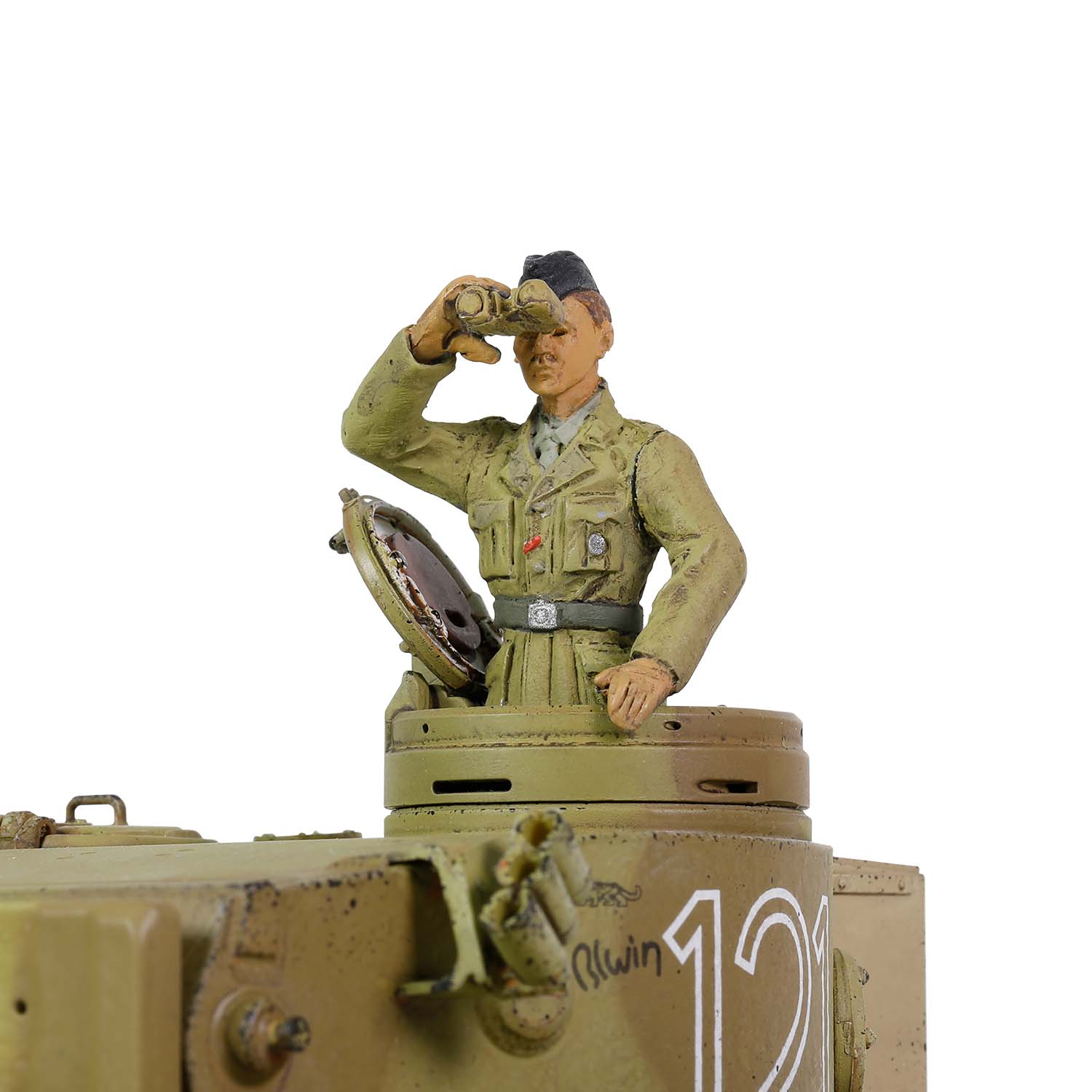
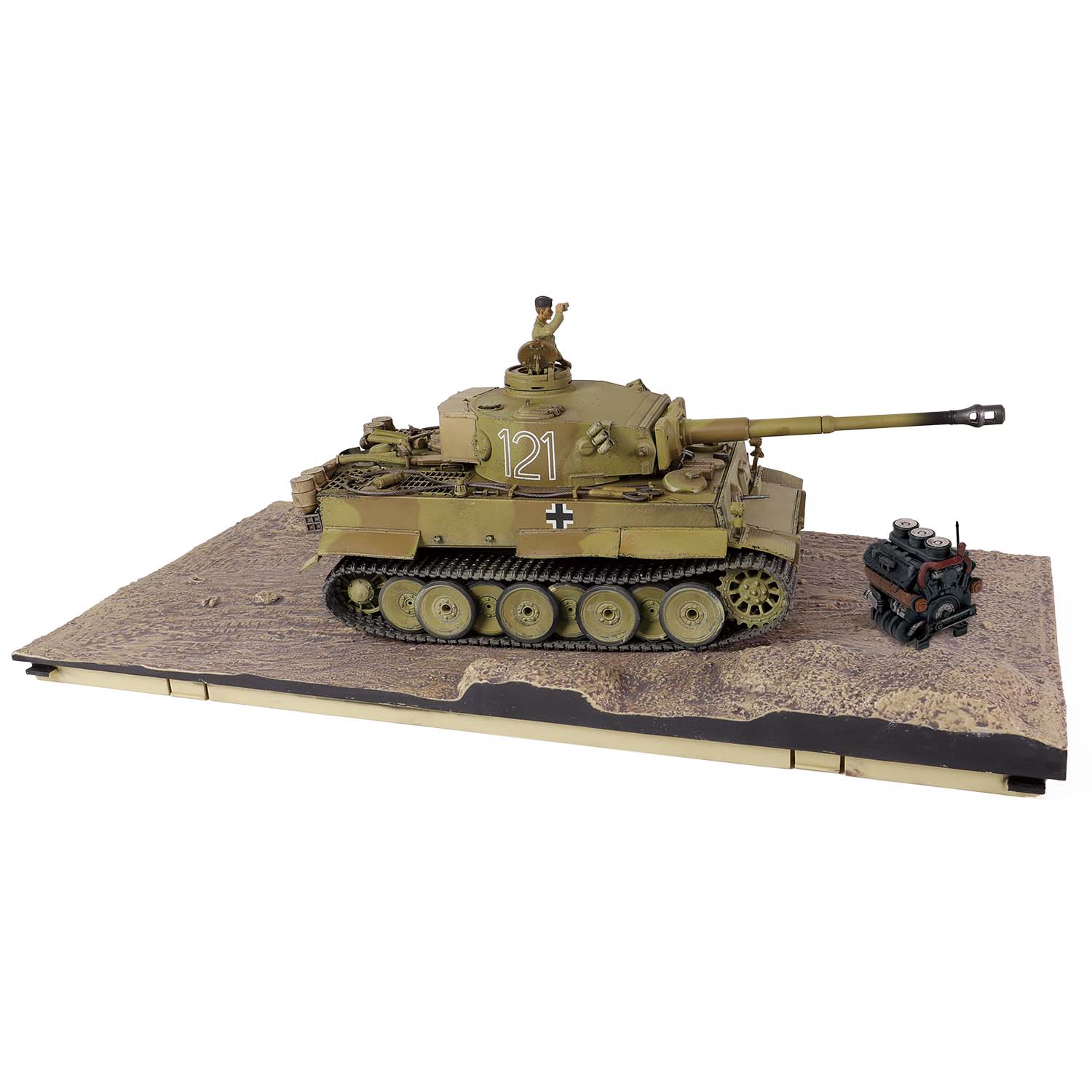
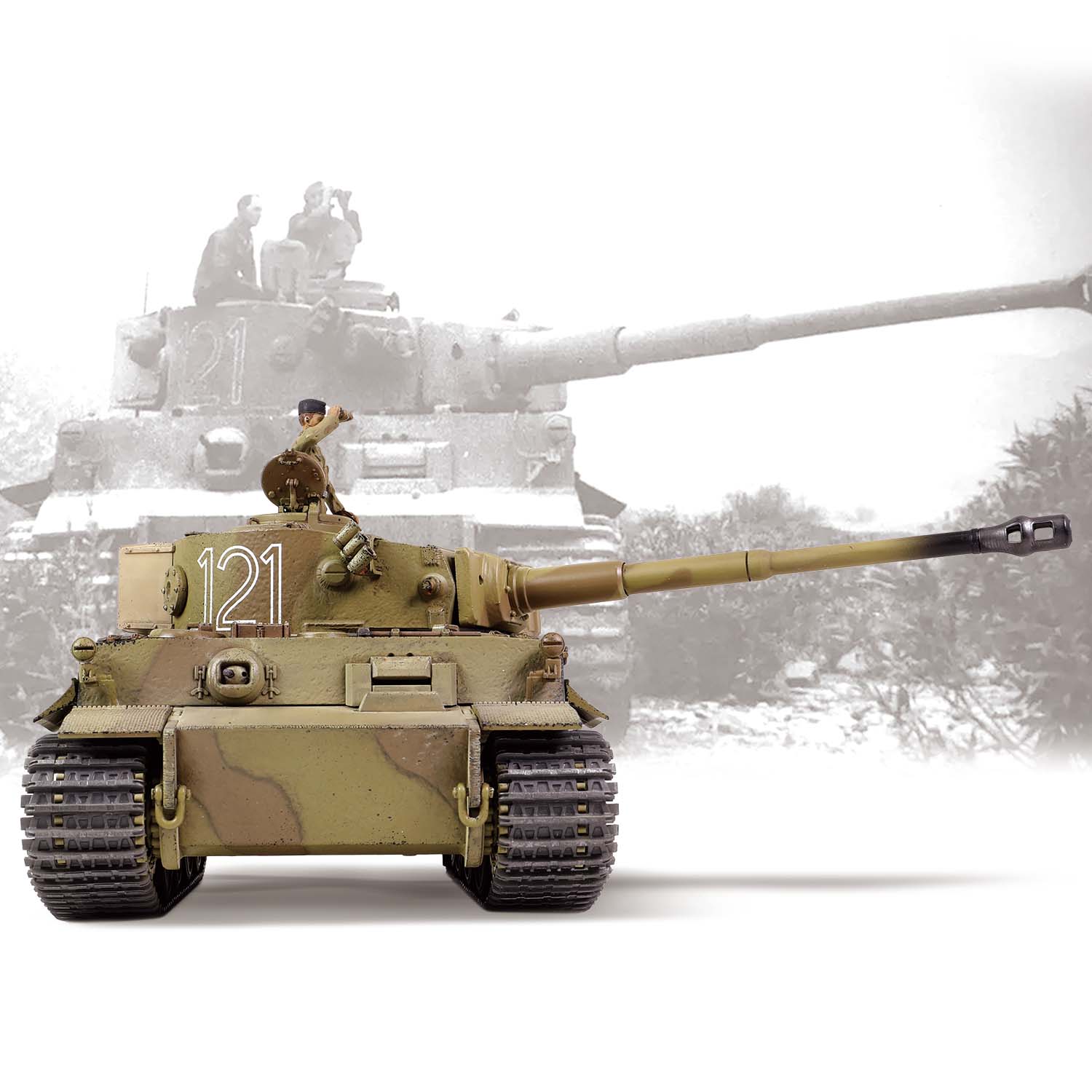
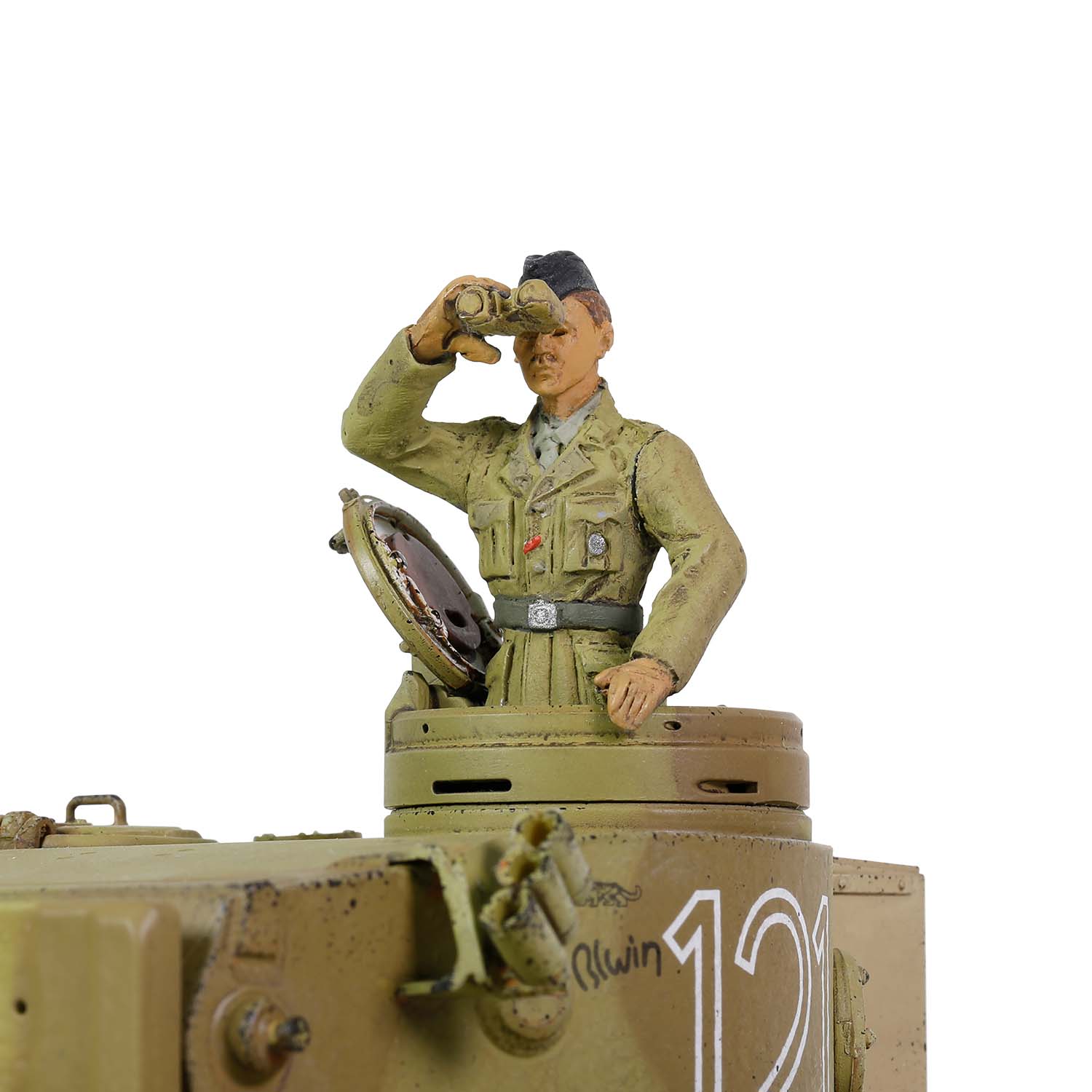
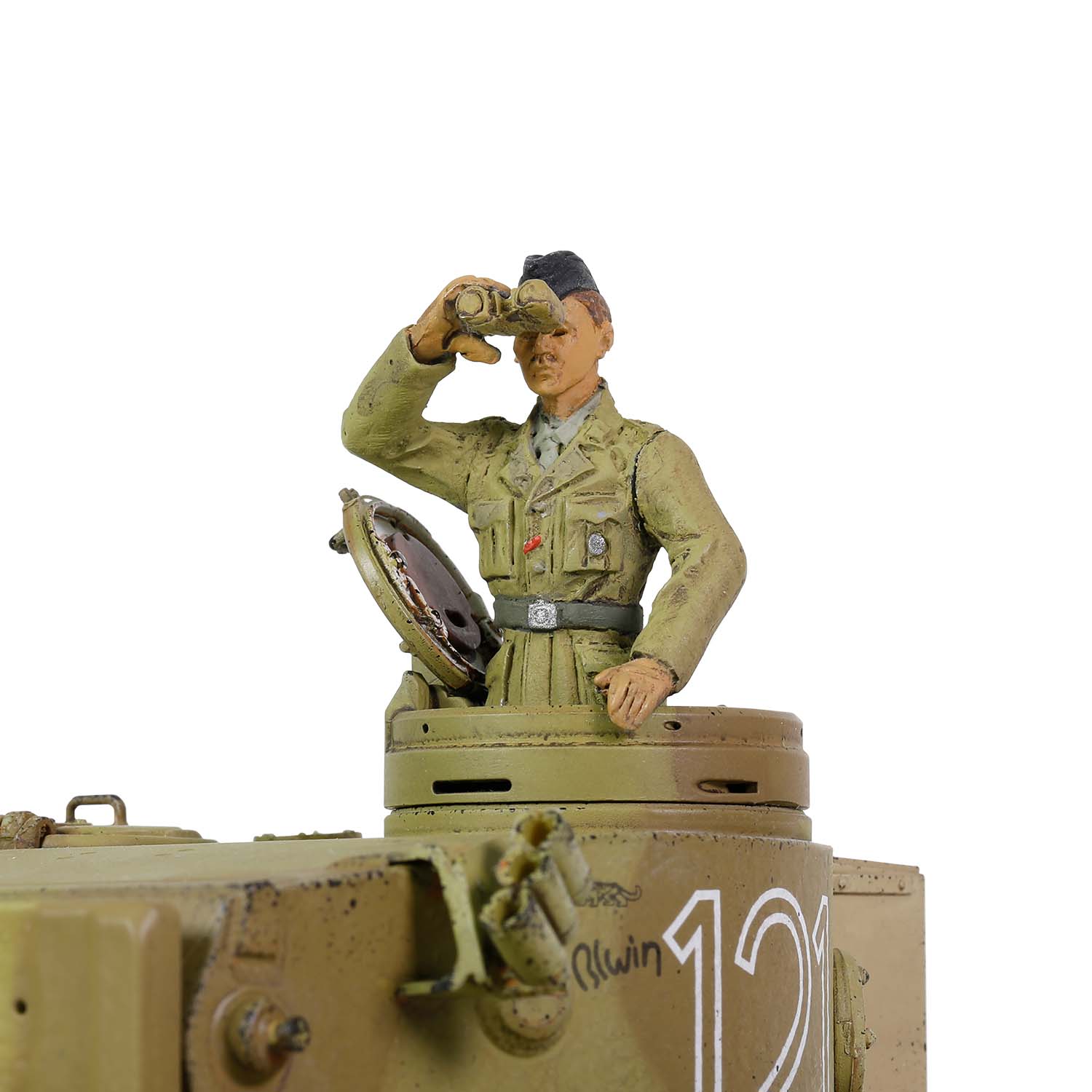
The 501st Battalion took part in several operations to halt the Allied advance and was incapacitated while trying to capture Bega. This particular example with turret number "121" belonged to one of two company commanders' Tiger I's numbered "11" and "21". It has a unique stencil on the left side of the turret, and "Alwin" below the stencil is a hand-drawn tiger, the symbol of the 501st Battalion. This Tiger I, numbered "121", was involved in Operation Bullhead - Special Operations Krakow/Battle of Hunter's Canyon and suffered mine damage and almost survived until the end of the Tunisian campaign.