- Introduction & Background
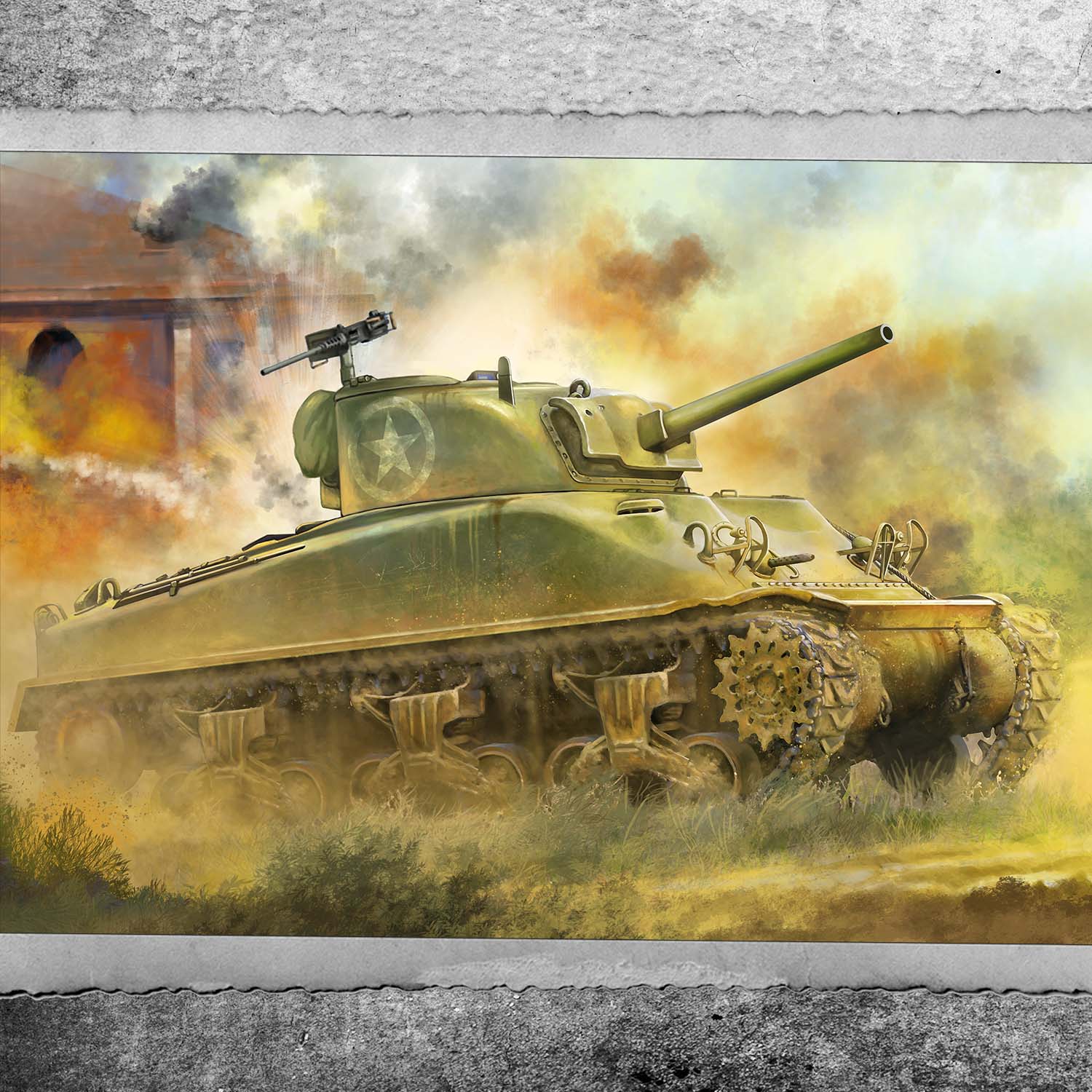
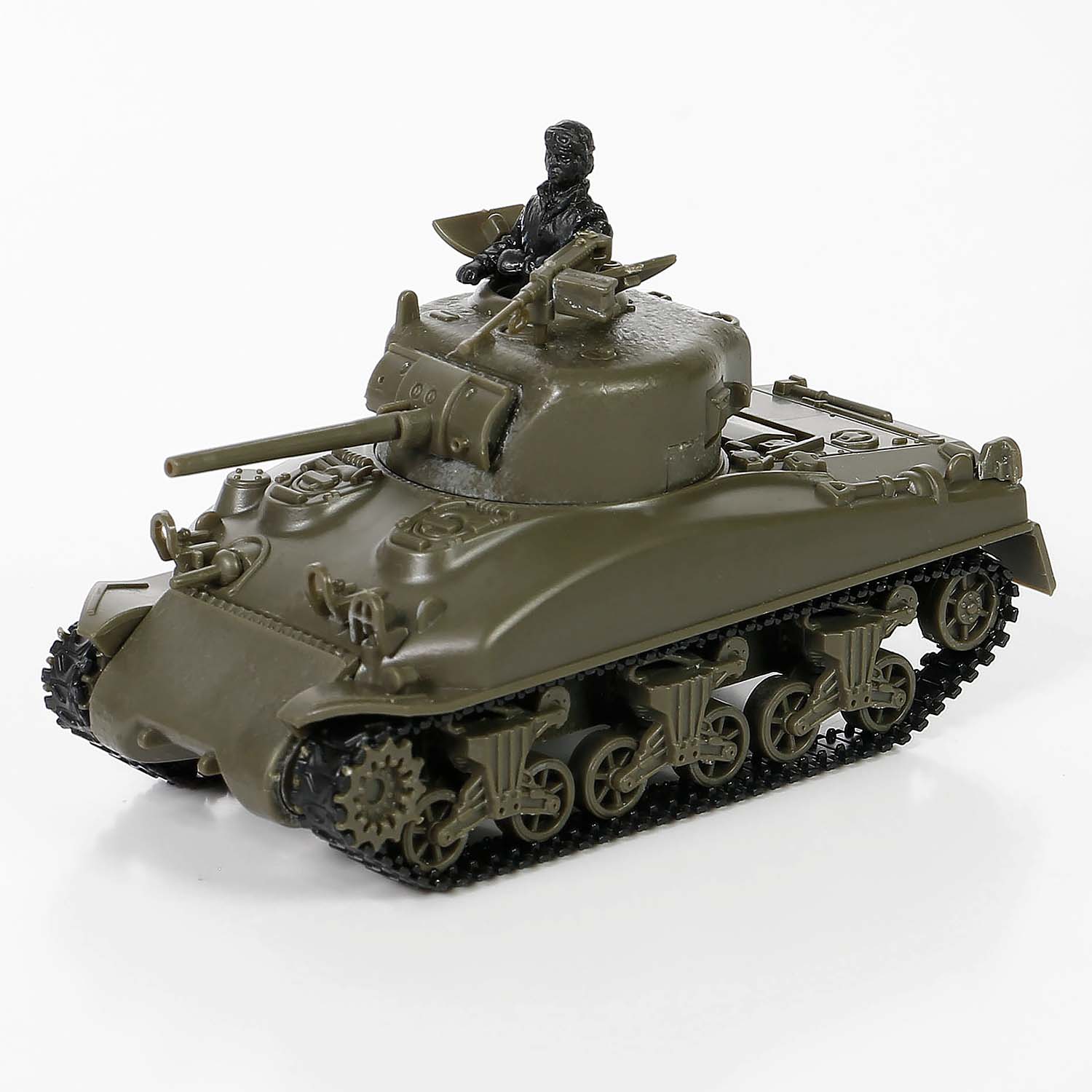
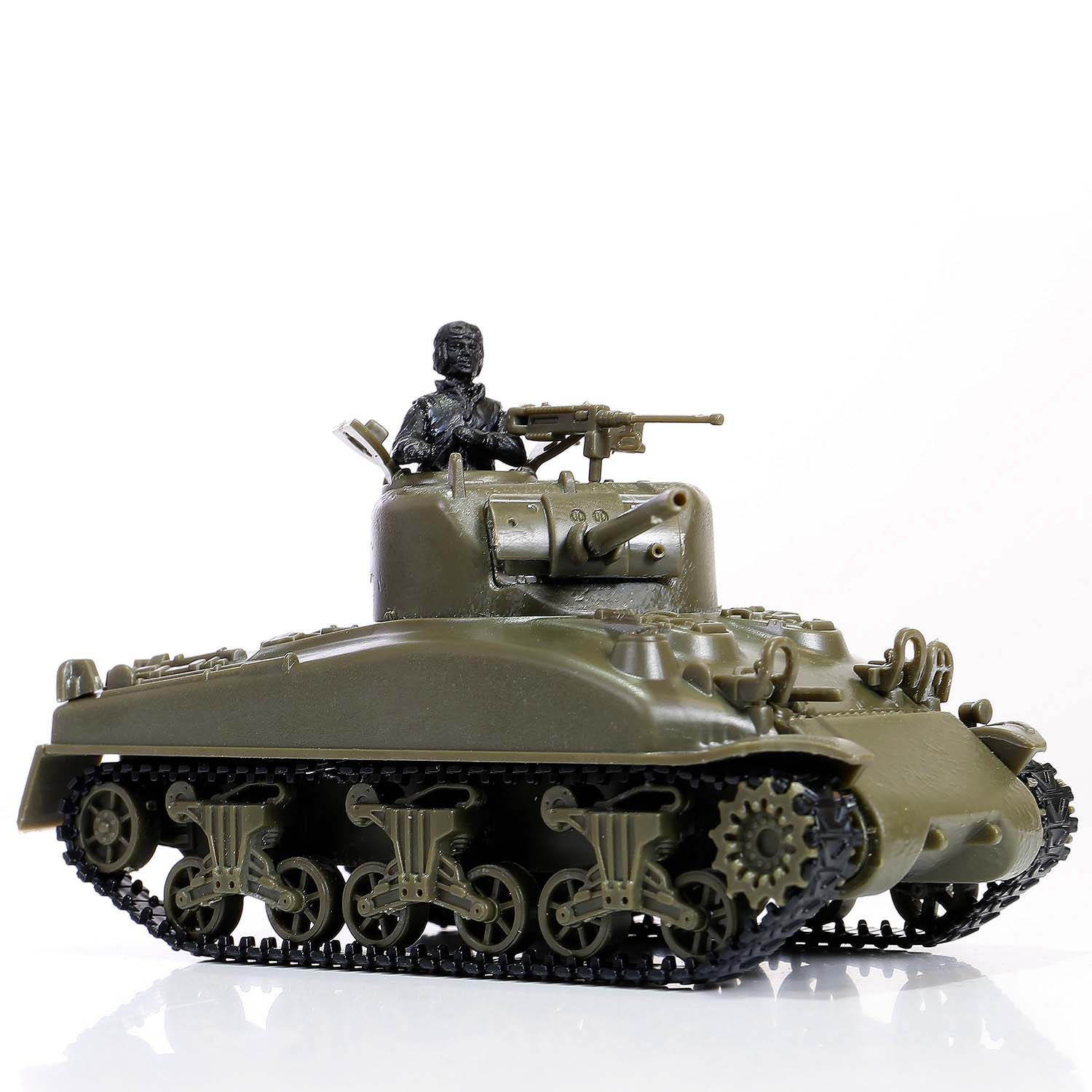
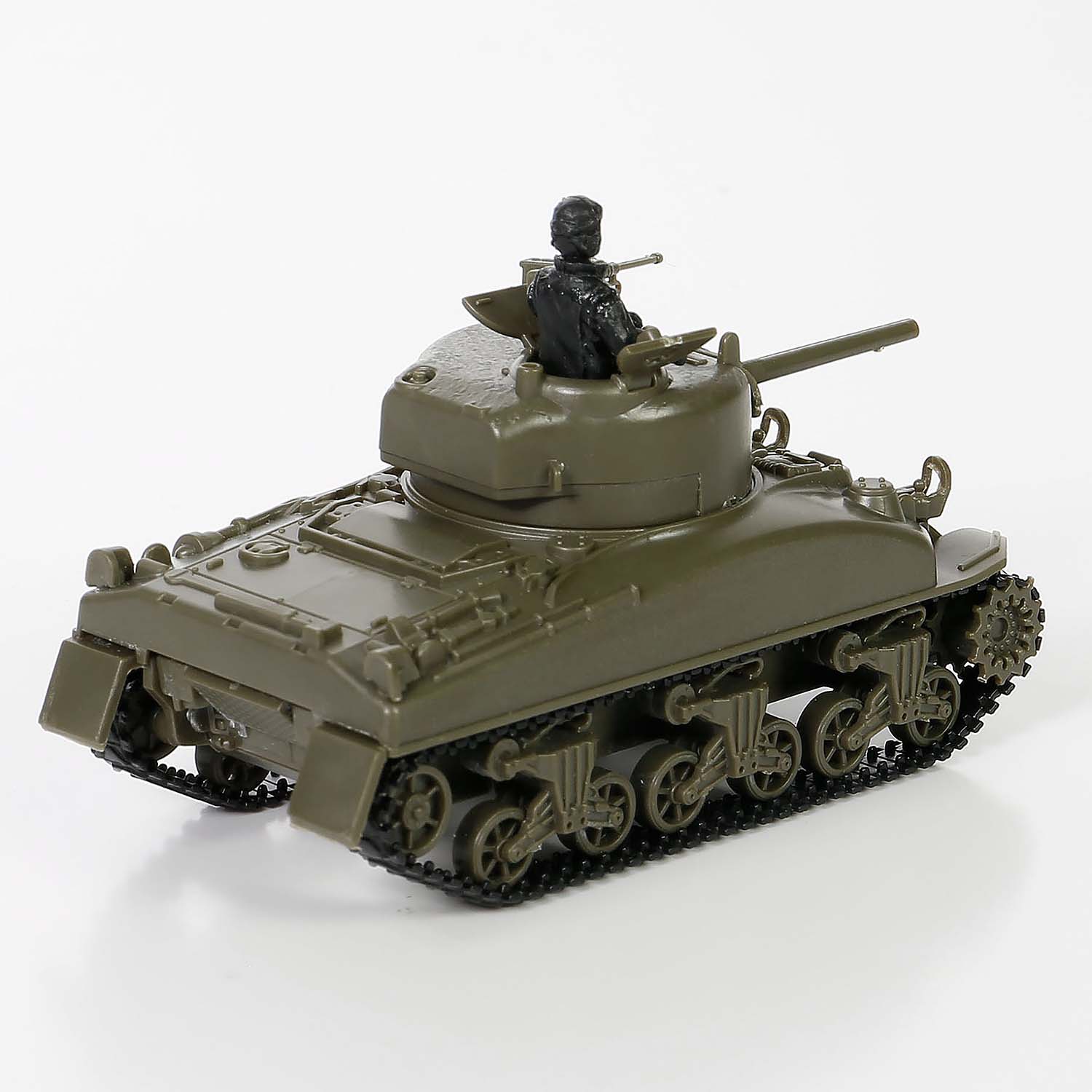
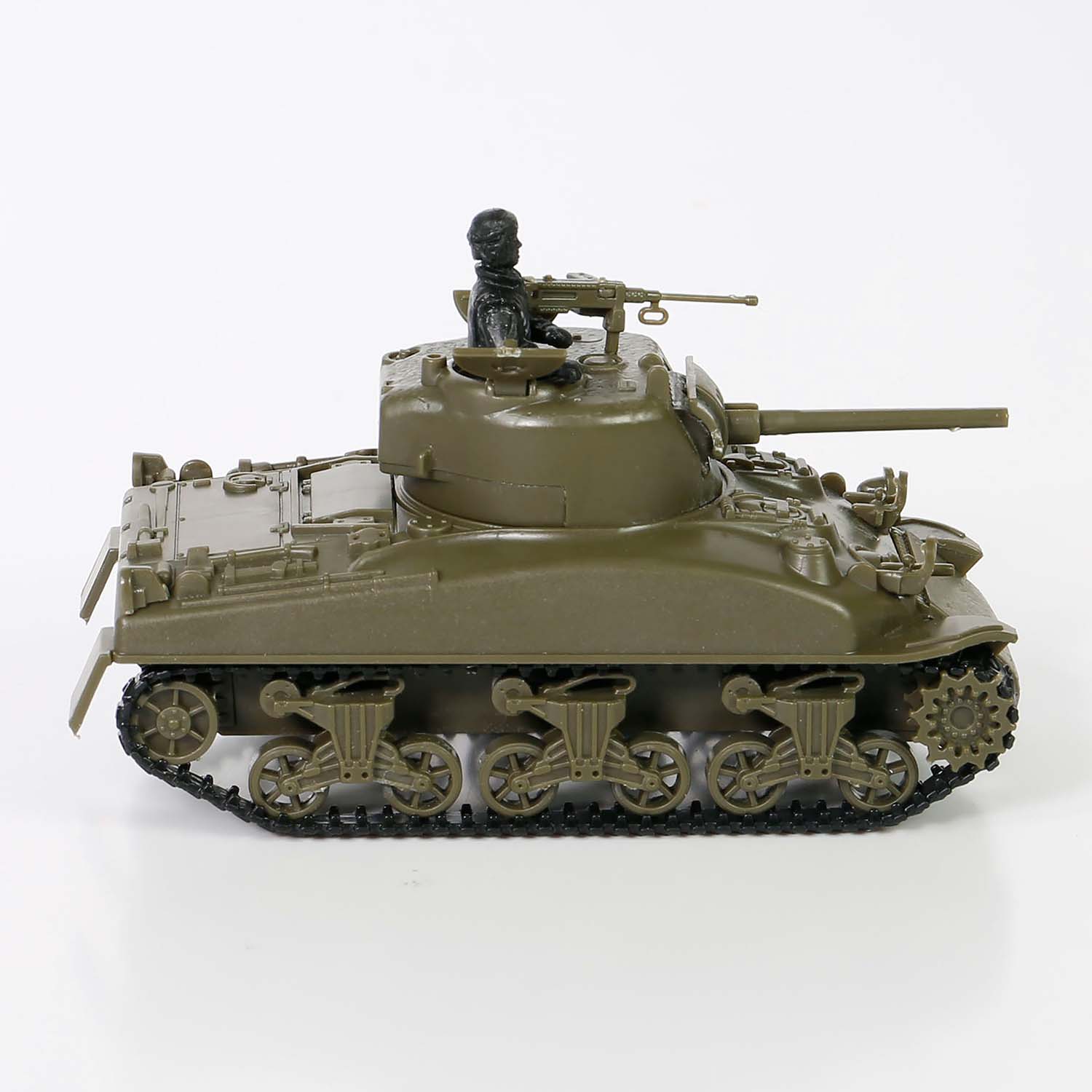
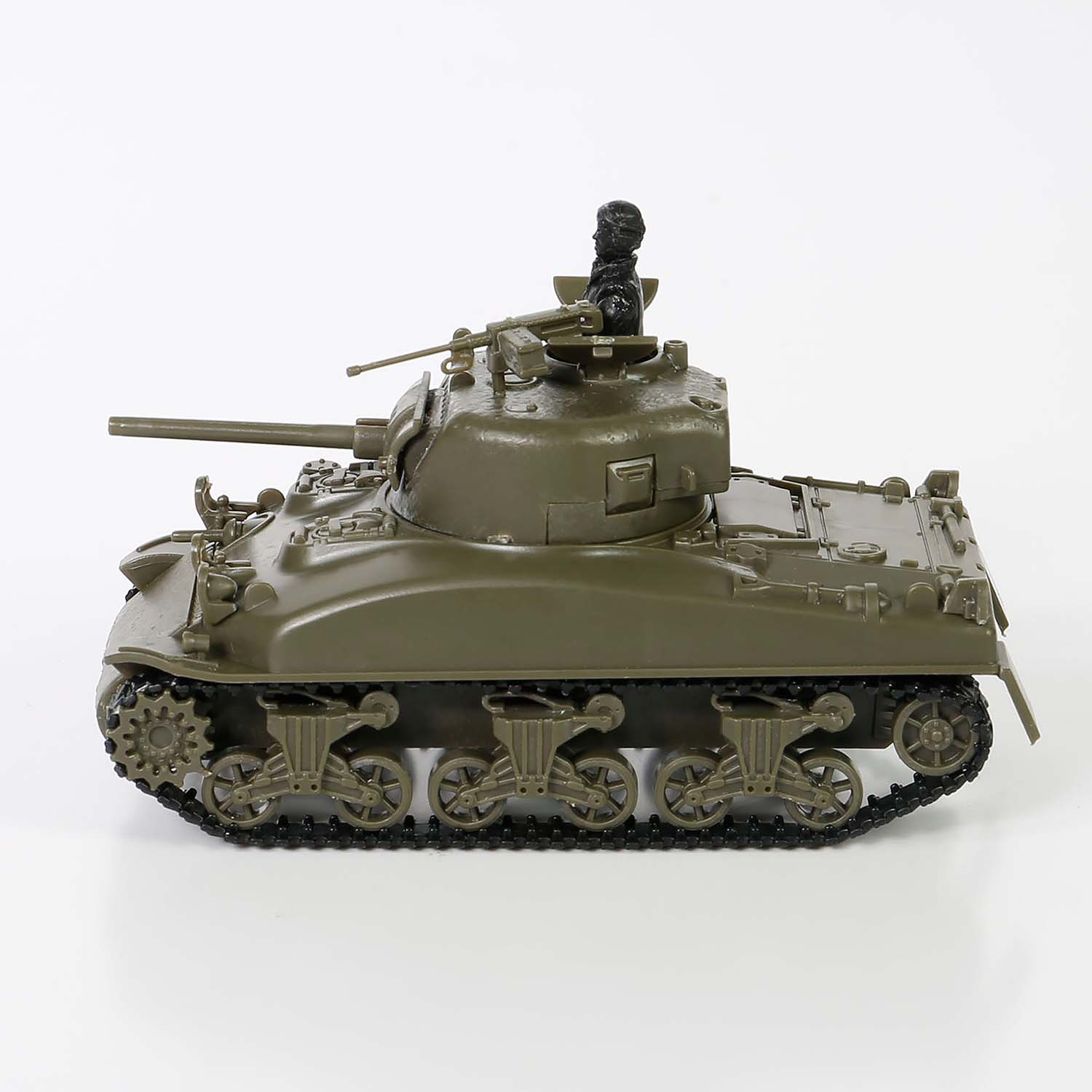
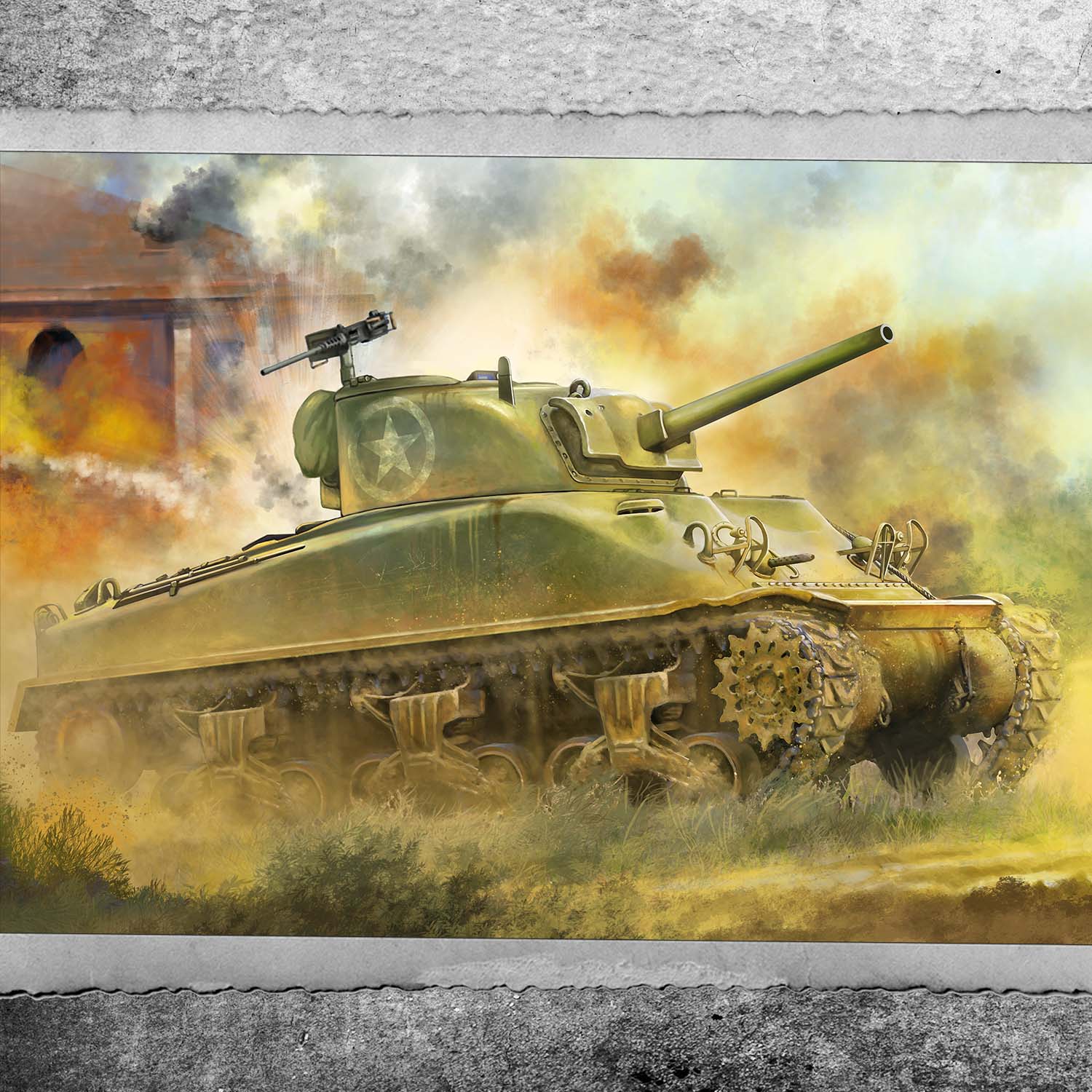
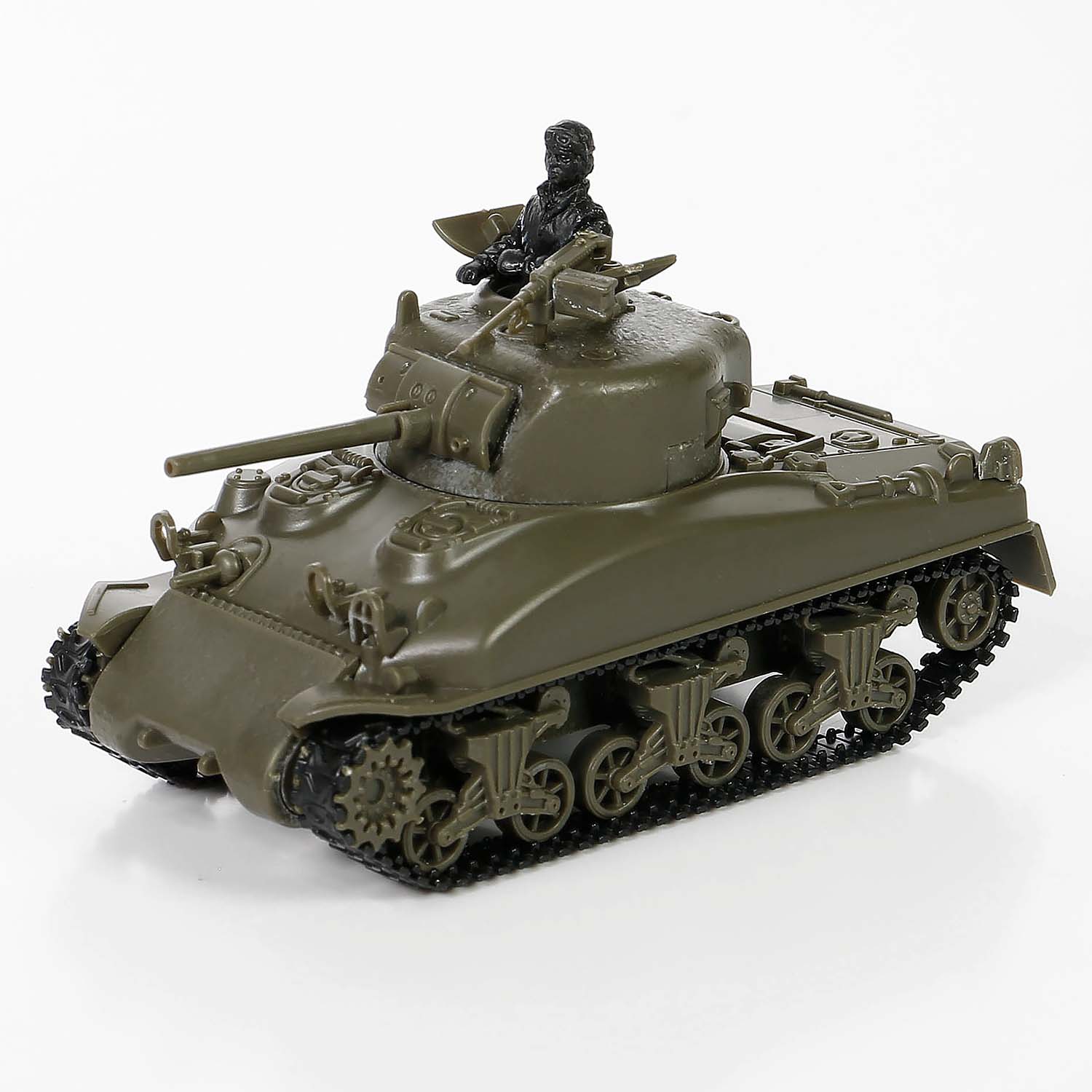
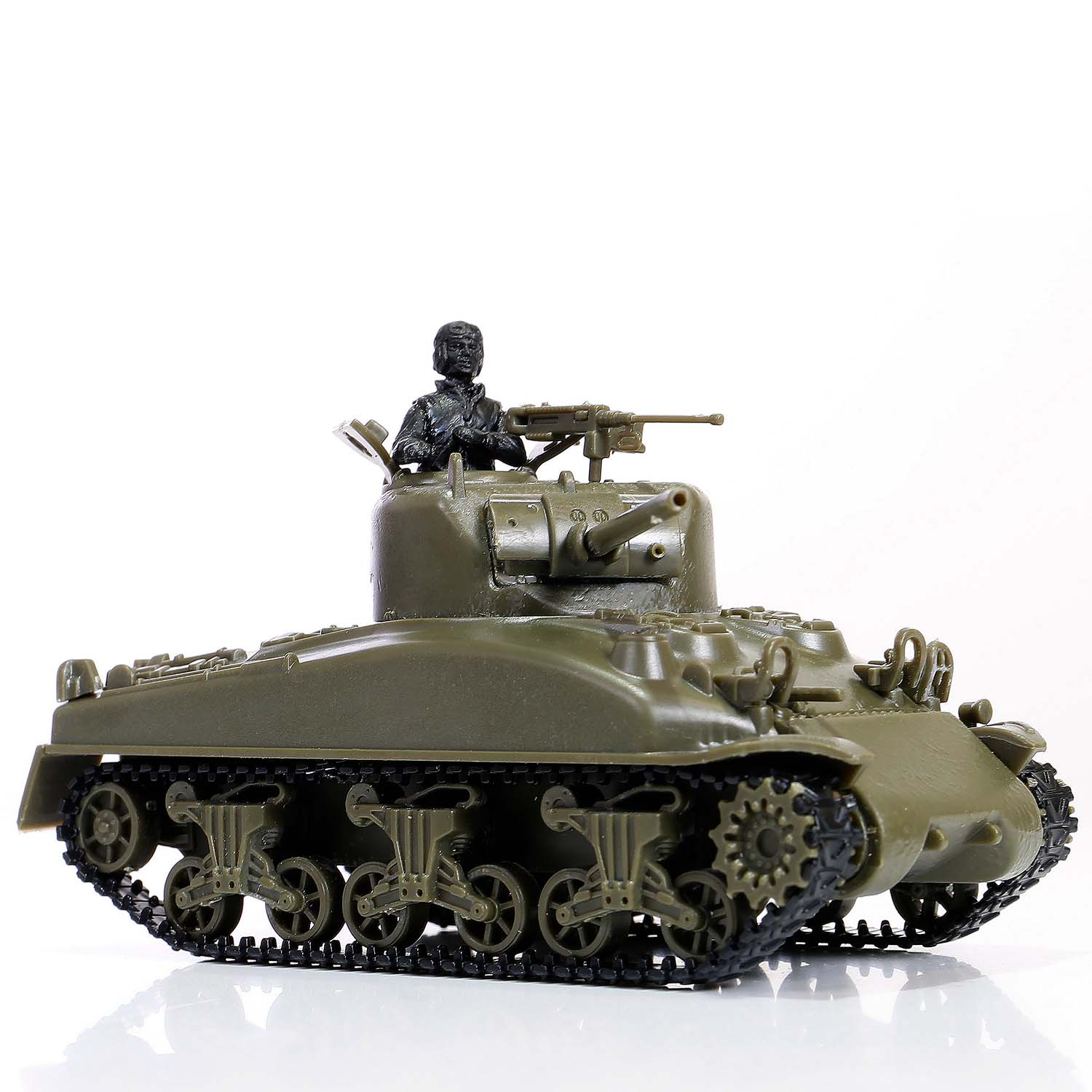
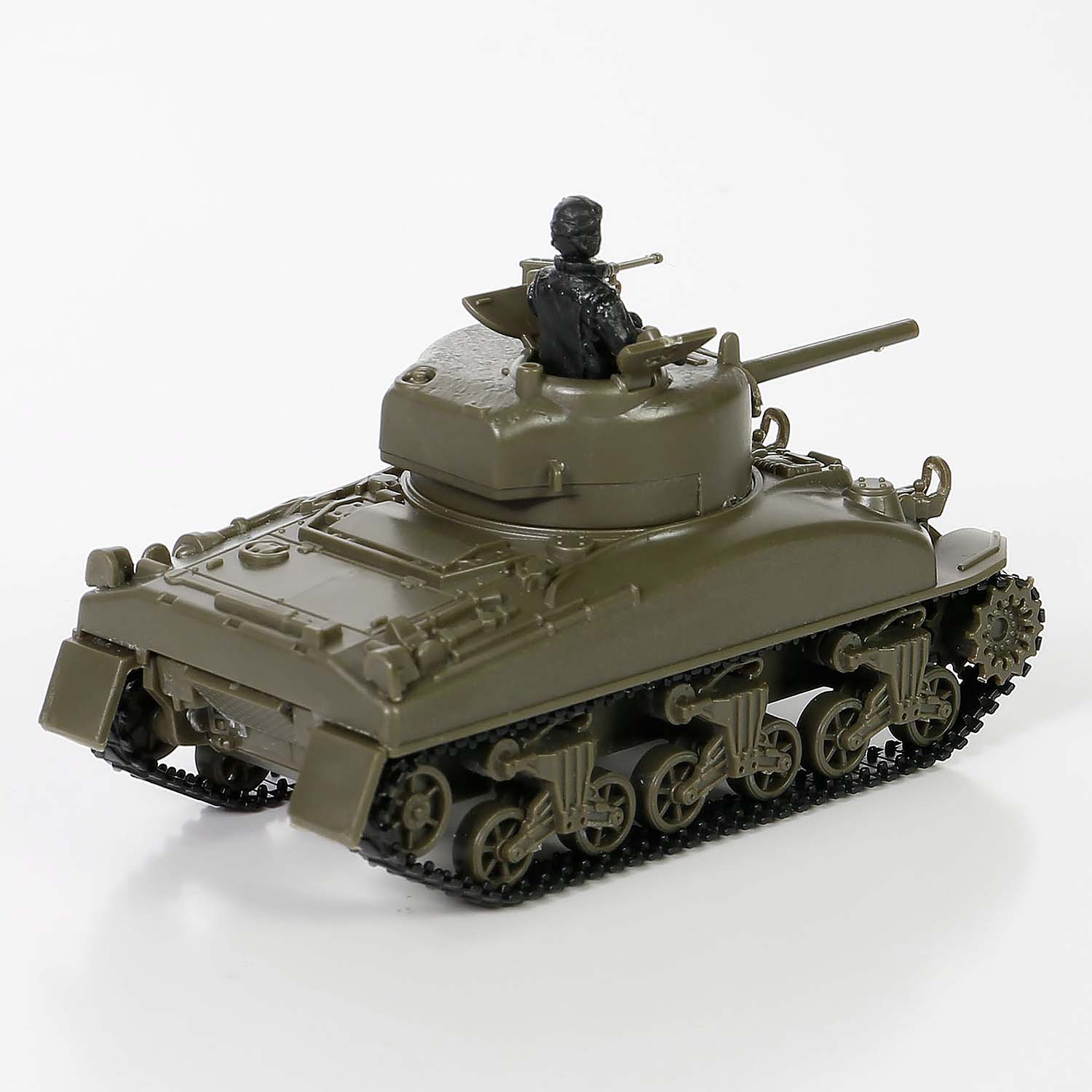
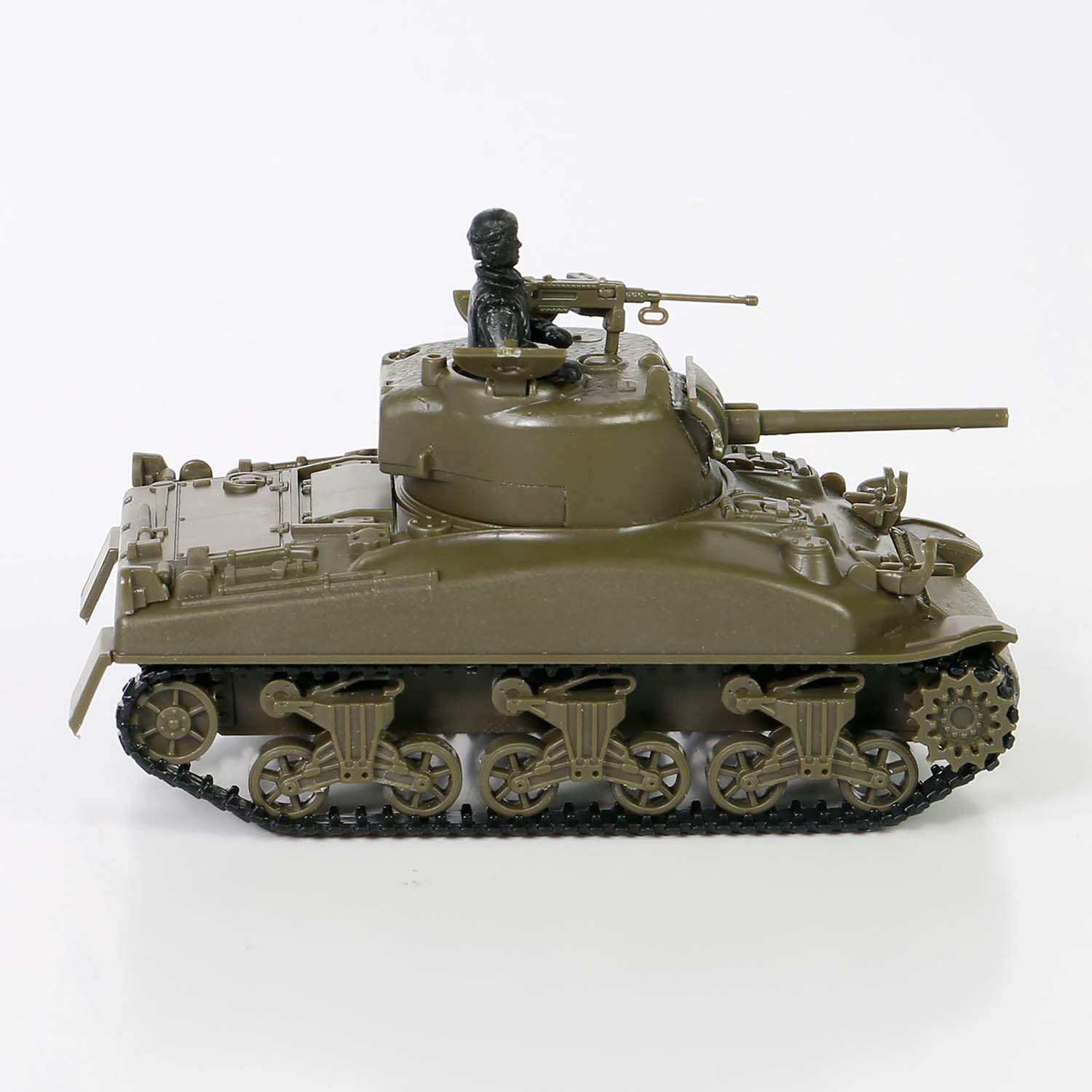
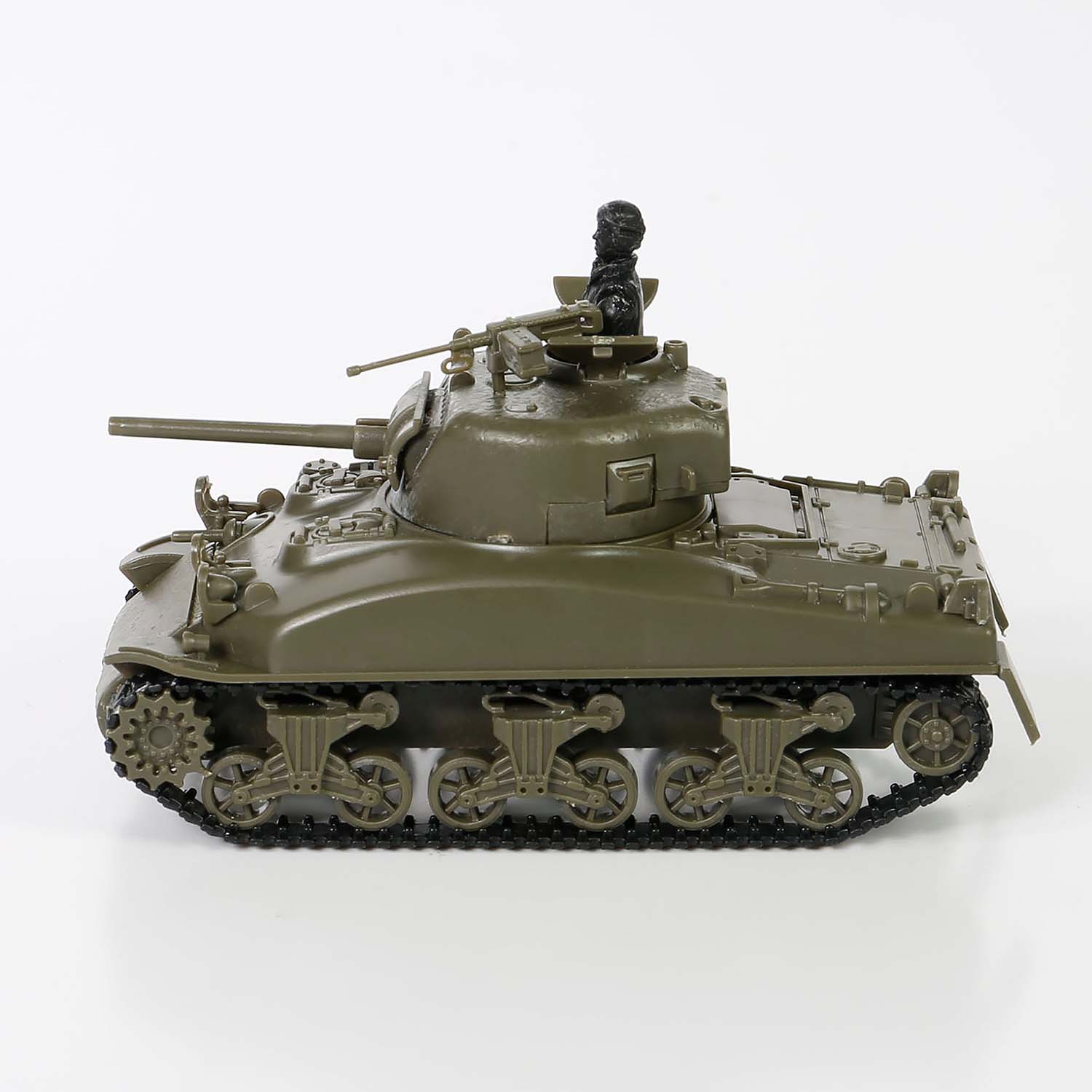
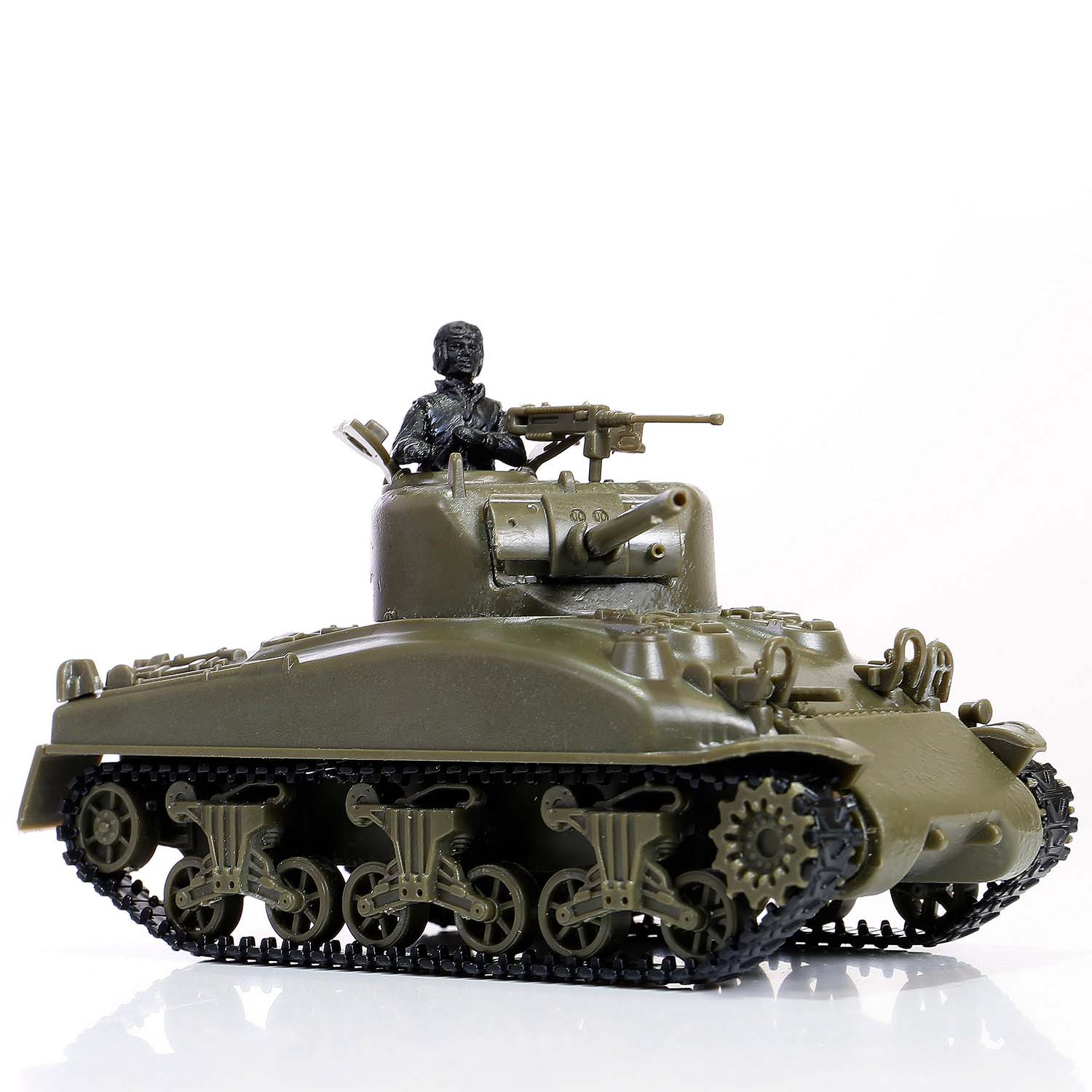
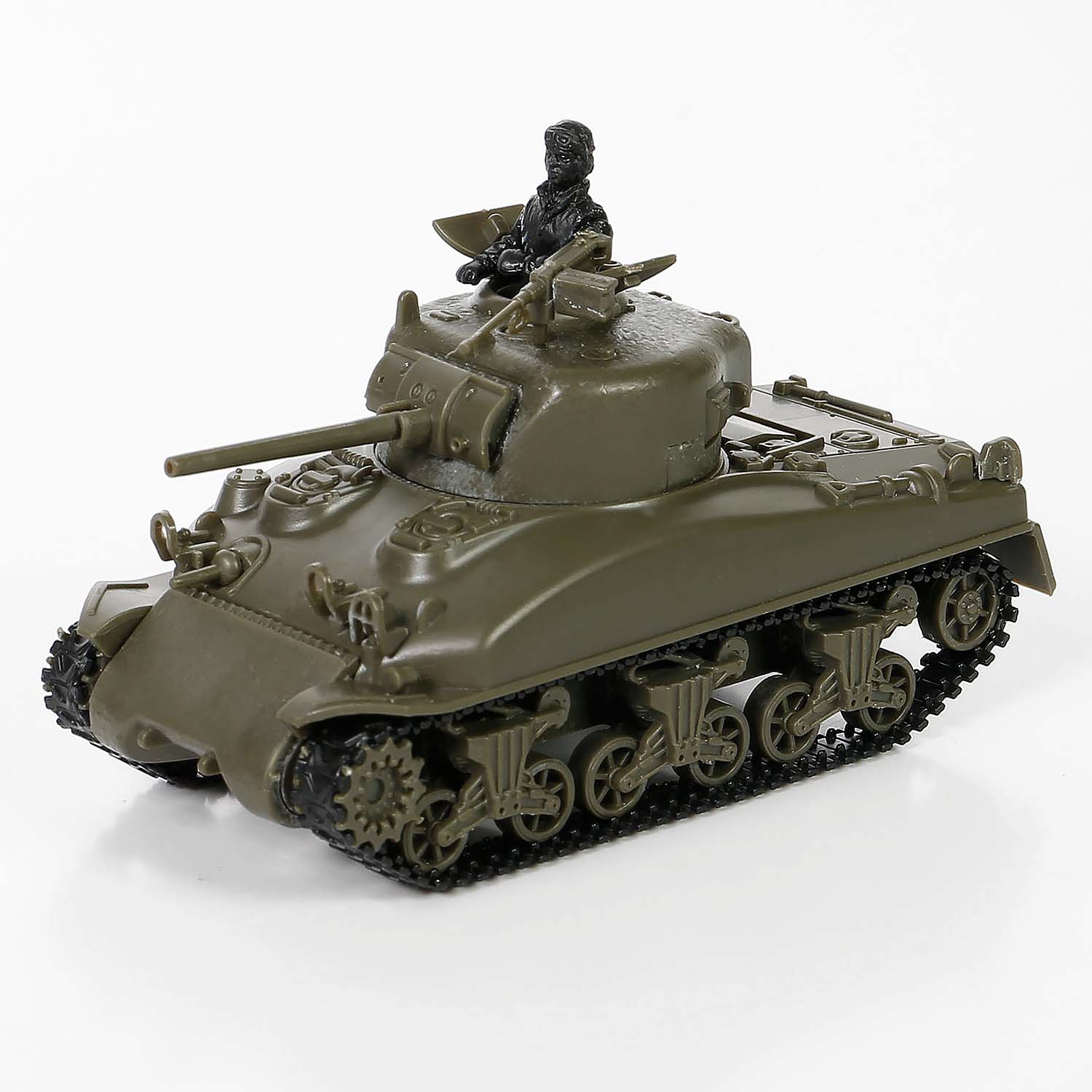
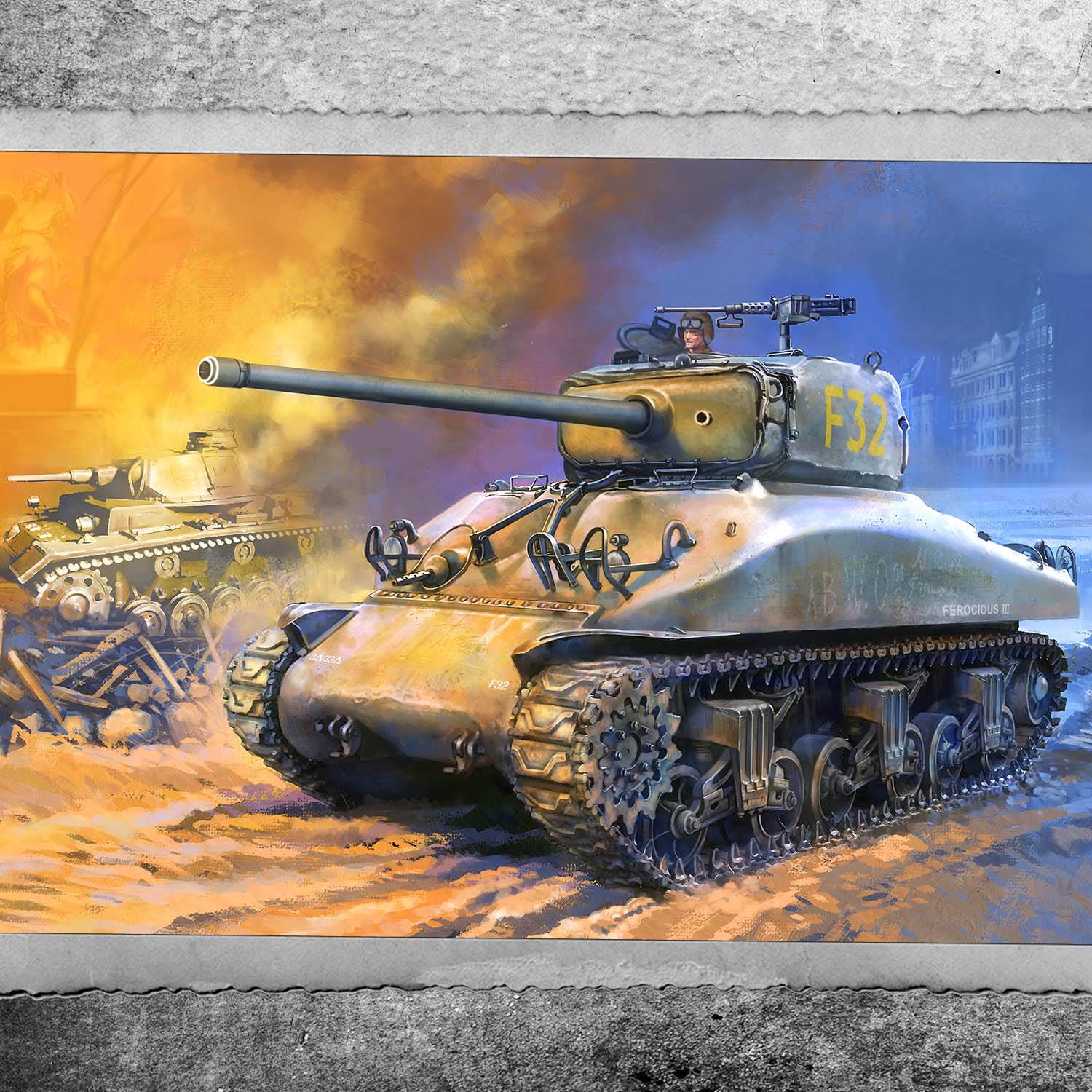
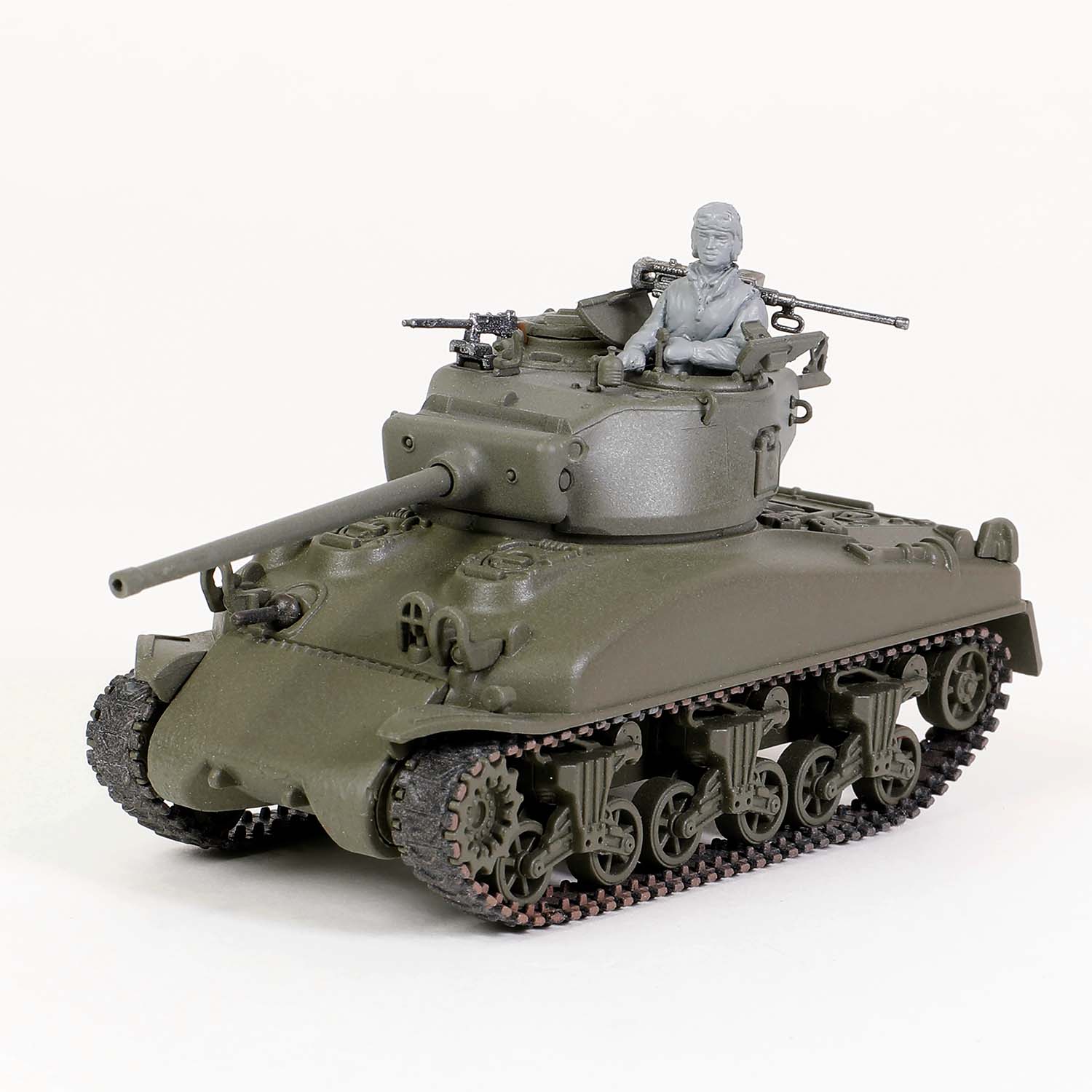
The M4A1 is virtually identical to the M4, with the same engine and powertrain and armament. The key difference is the cast hull - a huge single casting. At that time, this was a very difficult thing to do with the casting process, and the Germans were unable to replicate these things because they lacked the advanced technology and required equipment. From hatches to wheels, turrets and guns, the M4A1 and M4, as well as other Shermans, have it all.
The M4A1 was produced longer than any other hull model. It also witnessed all the upgrades such as improved hull ammunition racks, attached armored large hatch hull, T23 turret equipped with 76mm gun, water jacketed ammunition racks and HVSS suspension system. Thirty of these M4A1 76 HVSS tanks were the last Shermans ever produced. The M4A1 was also the first of all Shermans to see combat with the improved M1 tank gun and T23 turret, making its debut during Operation Cobra. These tanks also became the basis for the Israeli M51 Sherman. From February 1942 to July 1945, the three factories produced a total of 9,527 M4A1s of various types.
During the Battle of Cape Gloucester, the Marine Corps equipped and used a company of small hatch M4A1 75 tanks. This was the only type of tank used by the Marine Corps in the war.
The M4A1 received extensive upgrades, including a large hatch hull equipped with 75mm and 76mm turrets.